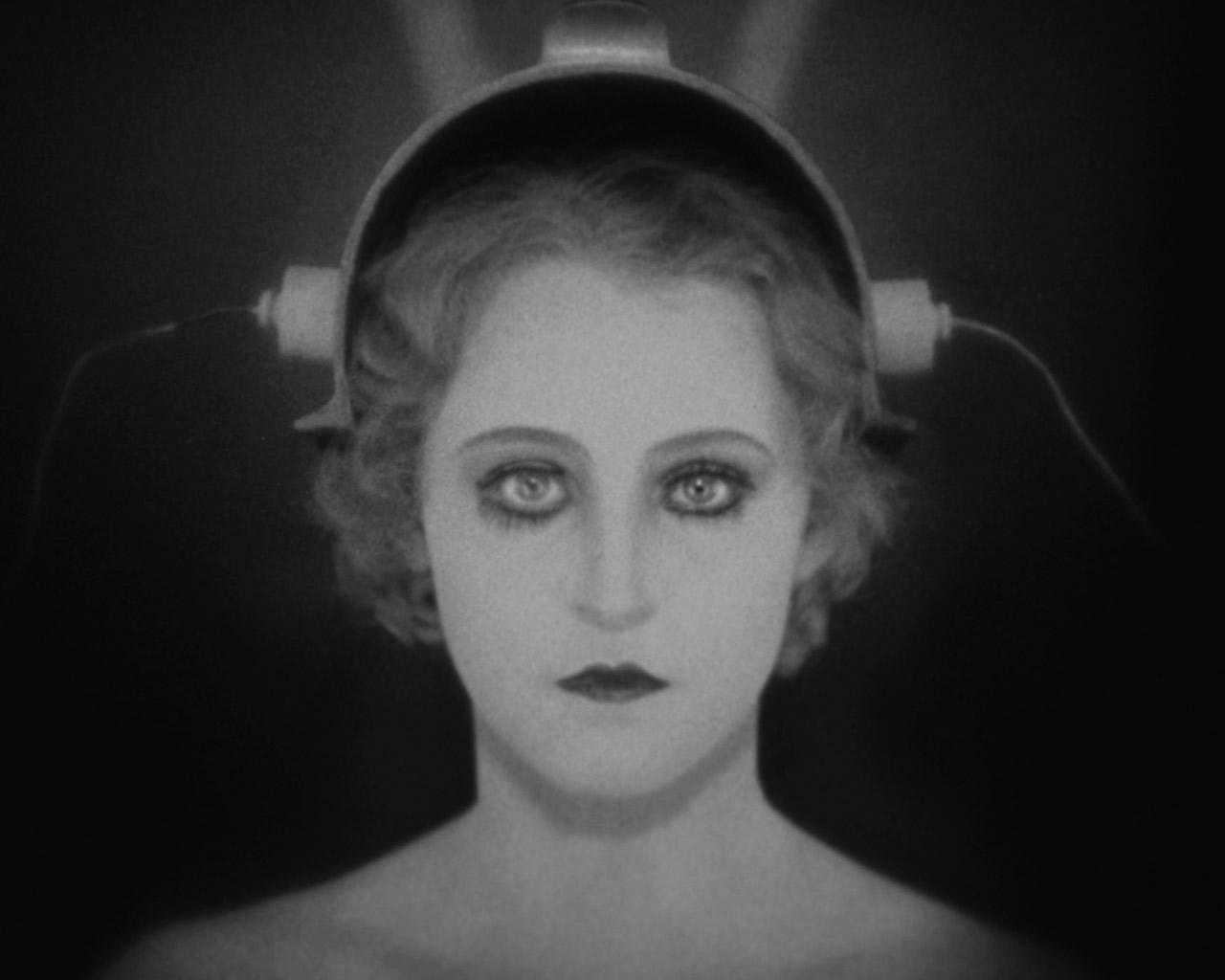
Metropolis (1927), directed by Fritz Lang, is a monumental work in the history of cinema and one of the pioneering science fiction films of the silent era. Based on Thea von Harbou’s 1925 novel of the same name, the film presents a dystopian vision of the future set in a vast, technologically advanced city. With its stunning visual effects, elaborate sets, and ambitious themes, Metropolis has become an enduring symbol of cinematic innovation, influencing generations of filmmakers and shaping the sci-fi genre for decades to come. Produced during Germany's Weimar Republic and filmed over 17 months, Metropolis was one of the most expensive films of its time, with a budget exceeding five million Reichsmarks. Despite initial mixed reactions from critics, Metropolis’s visionary direction, art design, and special effects have ensured its place as one of the greatest films ever made. A Dystopian Vision: Class Conflict and the Search for Unity At its core, Metropolis tells the story of the division between the wealthy elite and the oppressed working class in a futuristic city. The film follows Freder (Gustav Fröhlich), the privileged son of Joh Fredersen (Alfred Abel), the city’s master, who becomes aware of the harsh conditions endured by the workers who run the city's vast machines. Freder’s awakening to the suffering of the workers and his eventual involvement with Maria (Brigitte Helm), a saintly figure to the workers, forms the emotional heart of the story. The film’s central message is encapsulated in its final inter-title: “The Mediator Between the Head and the Hands Must Be the Heart.” This phrase speaks to the film’s critique of the social and economic divide between the powerful elite (the "head") and the laboring masses (the "hands"), calling for empathy and understanding as a means to bridge the gap and achieve unity. The film's exploration of class struggle, industrialization, and the dehumanizing effects of technology still resonates with modern audiences, making it a timeless commentary on social inequality. Innovative Visual Style and Special Effects Metropolis is renowned for its groundbreaking visual effects and art direction. The film’s sets and design, led by Otto Hunte, Erich Kettelhut, and Karl Vollbrecht, draw influences from opera, Bauhaus, Cubist, and Futurist movements, incorporating elements of Gothic architecture and surreal landscapes. These visually stunning and sometimes disturbing sets, such as the towering cityscape, the workers' subterranean catacombs, and the towering, mechanical machines, create a striking contrast between the opulence of the ruling class and the squalor of the workers. The film’s use of special effects was revolutionary for its time. One of the most iconic images from Metropolis is the transformation of Maria into the robot double (played by Brigitte Helm), which is considered one of the first uses of an actor’s likeness being turned into a robot or automaton. Lang’s use of miniatures, superimposition, and expressive lighting techniques also helped to create a sense of scale and grandeur that was unprecedented in silent cinema. Lang’s direction, combined with his collaboration with his creative team, resulted in a visually striking and thematically rich film that pushed the boundaries of what was possible in film at the time. The sophisticated special effects and expansive sets in Metropolis became an inspiration for later films, particularly in the genres of science fiction and film noir. Themes of Authority, Technology, and the Human Spirit Metropolis is a profound exploration of the dangers of unchecked technological advancement and the potential for human exploitation within an industrialized society. The film critiques the alienation of workers who are dehumanized by the machines they operate and the authoritarian control exerted by Joh Fredersen over both the city and its people. At the same time, Metropolis explores the tension between human emotion and the cold, mechanized world. The characters of Maria and Freder represent the idealism and hope for change, while the film’s antagonist, the mad scientist Rotwang (Rudolf Klein-Rogge), embodies the destructive potential of technological ambition when combined with personal obsession. The character of Maria, both a saintly figure and the robot double, represents the duality of human nature—innocence and corruption. The robotic version of Maria, who is used as a tool of manipulation, serves as a metaphor for how technology can be twisted for power, while the real Maria’s unwavering faith in humanity offers a vision of hope for a better future. The film ends on a hopeful note, suggesting that cooperation between different classes (the head, the hands, and the heart) is essential for societal progress. Mixed Reception, but Enduring Legacy Upon its release, Metropolis received a mixed critical reception. Critics praised the film’s visual beauty and its complex special effects, but they also criticized the story as overly simplistic and its political message as naive. H.G. Wells, for instance, dismissed the film as "silly," while other critics were put off by its alleged communist undertones. The film’s long running time and initial version, which was cut substantially after its German premiere, also contributed to mixed reactions. Despite the early mixed reception, Metropolis has since been recognized as one of the most important and influential films ever made. Its visionary direction, pioneering special effects, and profound social commentary have made it a touchstone in the history of cinema. The film has inspired generations of filmmakers, particularly in the genres of science fiction and film noir, and remains a key reference in discussions of cinematic innovation. Restoration and Preservation The film underwent several restoration attempts over the years, with the most significant being in 2001 when a nearly complete version of Metropolis was shown at the Berlin Film Festival. In 2008, a damaged print of the original cut was discovered in an Argentine museum, and after extensive restoration, Metropolis was 95% restored. The newly reconstructed version was released in 2010, ensuring that Lang’s vision could be appreciated by contemporary audiences. In 2001, Metropolis was added to UNESCO's Memory of the World Register, making it the first film to be thus distinguished. Its preservation and continued influence on modern filmmaking solidify its status as a landmark in the history of cinema. Conclusion: A Timeless Sci-Fi Masterpiece Metropolis (1927) is more than just a pioneering science fiction film; it is a cinematic work of art that continues to inspire filmmakers and captivate audiences nearly a century after its release. Fritz Lang’s visionary direction, combined with the film's groundbreaking visual effects and its timely social critique, ensures that Metropolis remains one of the greatest films ever made. The themes of class struggle, the dangers of industrialization, and the potential for human redemption resonate just as strongly today as they did in the 1920s. For fans of cinema, science fiction, and the history of film, Metropolis is an essential experience. Its lasting legacy, profound impact on the genre, and remarkable visual storytelling guarantee its place in the pantheon of cinematic masterpieces.


_poster_off-67db2e4aeea32.jpg)