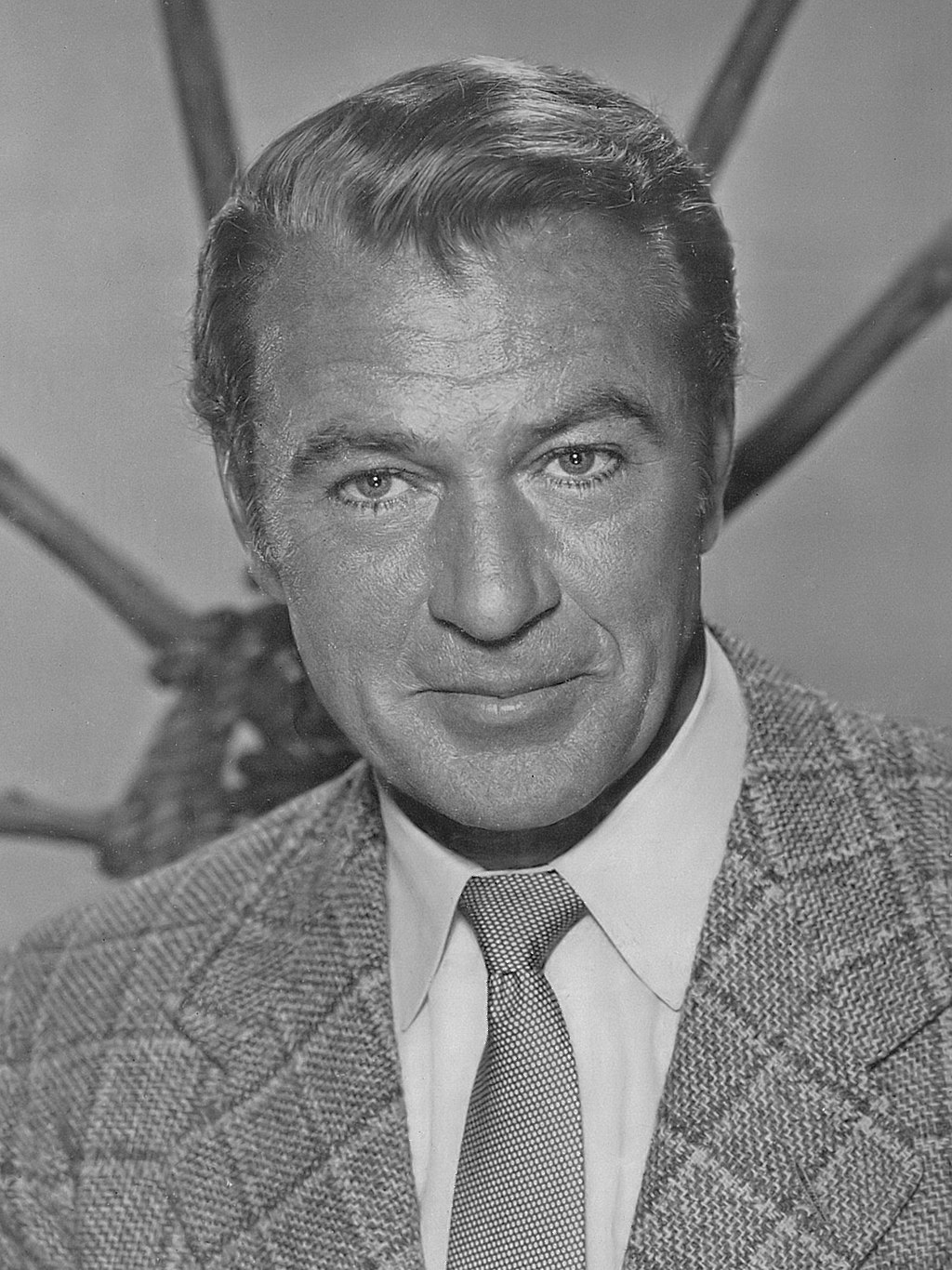
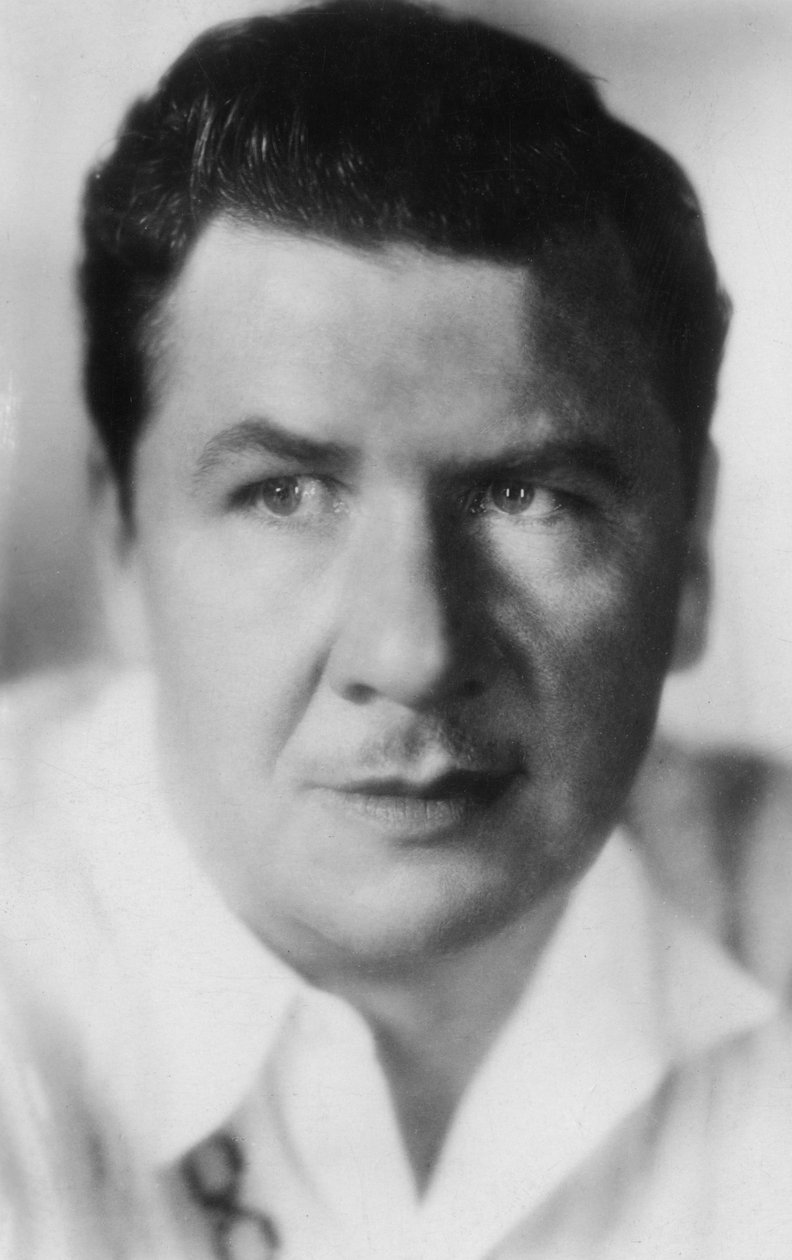
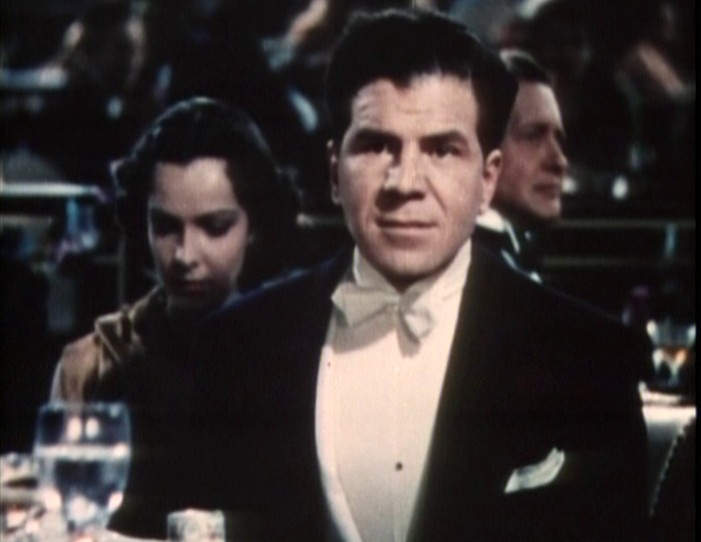
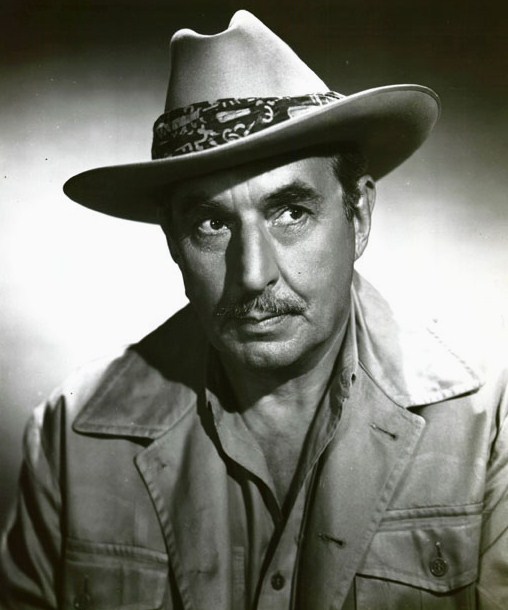
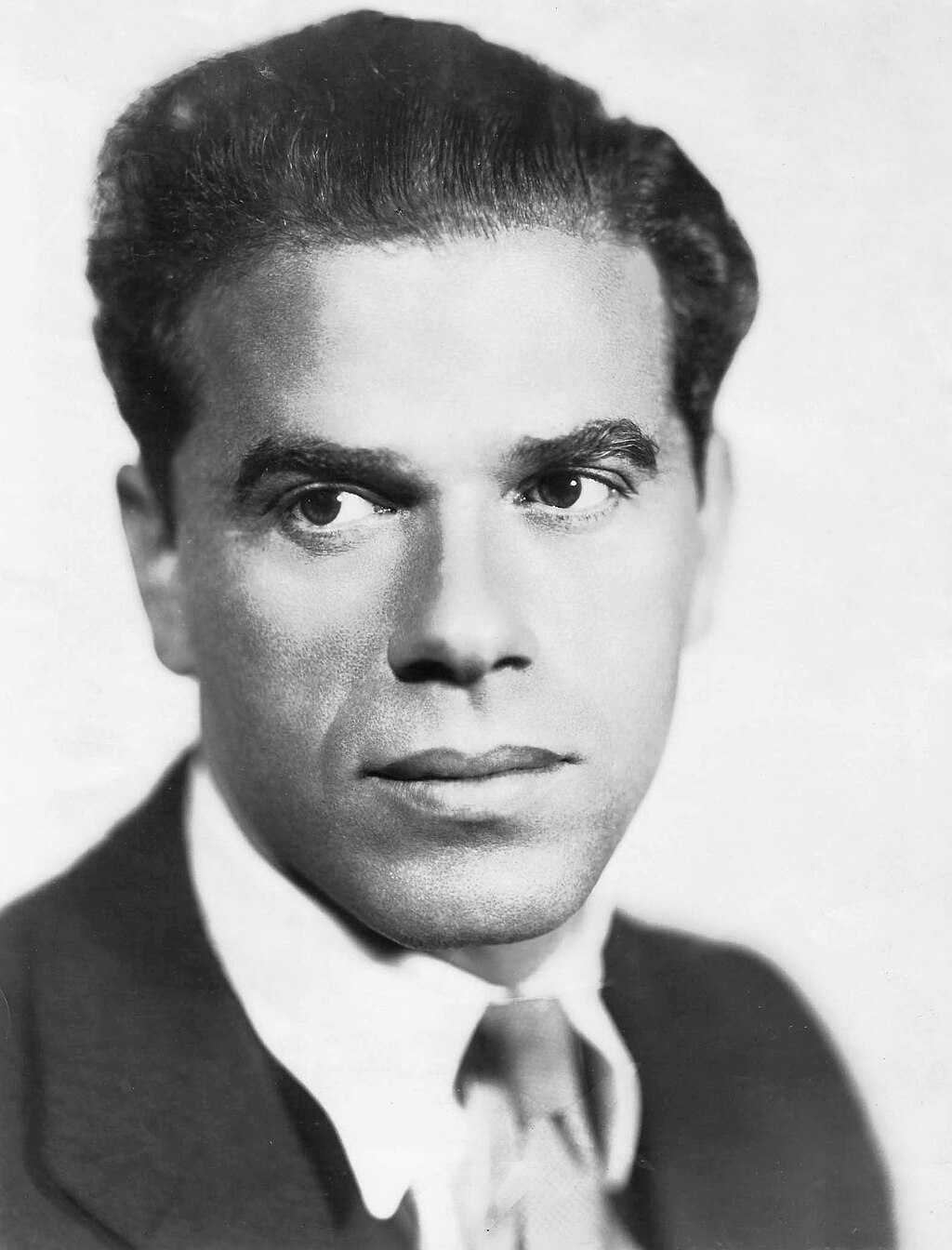
Mr. Deeds Goes to Town (1936), directed by Frank Capra, is one of the most beloved films in American cinema, offering a perfect blend of comedy, drama, and romance. Starring Gary Cooper in the lead role and featuring Jean Arthur in her first prominent role, the film tells the story of Longfellow Deeds, an unassuming and kind-hearted small-town man who unexpectedly inherits a fortune and must navigate the complexities of wealth and societal expectations. Based on Clarence Budington Kelland’s short story Opera Hat, the screenplay was written by Robert Riskin, marking his fifth collaboration with Capra, and it showcases the director's knack for mixing light-hearted humor with meaningful social commentary. At its heart, Mr. Deeds Goes to Town is a story about staying true to one’s values and the transformative power of kindness, all set against the backdrop of a corrupt society where money and status are often seen as paramount. The film explores the contrast between the simple life of Deeds and the greed-driven world of the wealthy elite, offering a timeless message about the importance of integrity, generosity, and the human spirit. Gary Cooper’s Brilliant Performance as Longfellow Deeds Gary Cooper’s portrayal of Longfellow Deeds is a standout in Mr. Deeds Goes to Town. Deeds is a humble and unpretentious man from a small town who is thrust into the spotlight when he inherits a large fortune. Throughout the film, Cooper expertly navigates the delicate balance between Deeds’ kindness and his naïveté, portraying a character who remains true to his simple values despite the pressure to conform to the world of wealth and high society. Cooper’s understated charm and everyman quality make Deeds an incredibly sympathetic and relatable character. His ability to evoke both humor and pathos is a testament to his skill as an actor, and his performance is central to the film’s success. Deeds' innocent yet profound reactions to the absurdities around him offer a refreshing contrast to the jaded, cynical world of the rich. Jean Arthur’s Breakout Role Jean Arthur, in her first major role, delivers a standout performance as Babe, the determined reporter who initially seeks to exploit Deeds' situation for a story but gradually falls in love with him as she uncovers his genuine character. Arthur’s natural warmth, wit, and charm shine through, making her an ideal match for Cooper’s Deeds. The chemistry between the two leads provides much of the emotional depth of the film and their evolving relationship adds a sweet romantic layer to the story. Arthur’s role as Babe marks a significant step in her career, establishing her as a leading lady in Hollywood. Her performance in Mr. Deeds Goes to Town showcases her comedic timing and dramatic ability, setting the stage for a successful career in both comedy and drama. The Heart of the Story: A Man of Integrity in a Greedy World The central theme of Mr. Deeds Goes to Town revolves around the contrast between Deeds' humble, genuine character and the corrupt, money-driven world he is thrust into. After inheriting his uncle’s fortune, Deeds is subjected to the manipulative schemes of high society, with people trying to control his wealth for their own benefit. Throughout the film, Deeds refuses to be swayed by their greed and continues to act out of kindness, even when faced with public ridicule and exploitation. The film's message—that true wealth lies not in material possessions but in character and integrity—resonates strongly, particularly in the context of the Great Depression, when many Americans were grappling with economic hardship. Deeds' unwavering belief in doing good, even when it’s not profitable or convenient, offers a hopeful counterpoint to the cynicism and corruption that permeate the world around him. Frank Capra’s Direction: A Blend of Comedy and Social Commentary Frank Capra’s direction is key to the film’s success, combining moments of light-hearted comedy with deeper social and political commentary. Capra, known for his ability to craft heartwarming stories with a touch of humor, infuses Mr. Deeds Goes to Town with a sense of optimism and hopefulness, even as it critiques the greed and hypocrisy of the wealthy elite. Capra’s skillful direction ensures that the film never becomes overly sentimental, instead allowing moments of comedy to naturally evolve into moments of reflection. His ability to evoke sympathy for his characters while also providing sharp commentary on the social structures of his time made Capra one of the most celebrated directors of the era. Critical and Commercial Success Upon its release, Mr. Deeds Goes to Town was both a critical and commercial success. The film’s clever screenplay, delightful performances, and thoughtful exploration of social issues resonated with audiences, particularly during a time of economic uncertainty. Mr. Deeds Goes to Town was praised for its blend of humor and heart, and it solidified Capra’s reputation as one of Hollywood’s greatest directors. In addition to its success at the box office, the film received several Academy Award nominations, including Best Picture and Best Director, further cementing Capra’s status as a master of his craft. Legacy and Influence Mr. Deeds Goes to Town remains a beloved classic of American cinema, known for its memorable characters, charming performances, and uplifting message. It has continued to influence subsequent films that deal with themes of wealth, integrity, and the impact of individual actions on society. The film’s exploration of the “common man” as a hero, untainted by the corruption of wealth, is a recurring motif in Capra’s body of work and continues to resonate with modern audiences. The film was remade in 2002 as Mr. Deeds, starring Adam Sandler, though it significantly changed the original plot. Despite the differences, the 1936 version remains the definitive take on the story, and its timeless message about the importance of kindness, integrity, and love is still relevant today. Conclusion: A Timeless Comedy-Drama Classic Mr. Deeds Goes to Town is a delightful romantic comedy-drama that balances humor, romance, and social commentary. With stellar performances from Gary Cooper and Jean Arthur, and Frank Capra’s masterful direction, the film continues to captivate audiences with its message about the value of personal integrity over wealth and status. Its heartwarming story and memorable characters ensure that it remains one of the greatest films of the 1930s and a timeless classic in American cinema. For fans of romantic comedies, classic films, and Capra’s work, Mr. Deeds Goes to Town is a must-see. Its blend of humor, romance, and social insight makes it as relevant today as it was when it was first released.