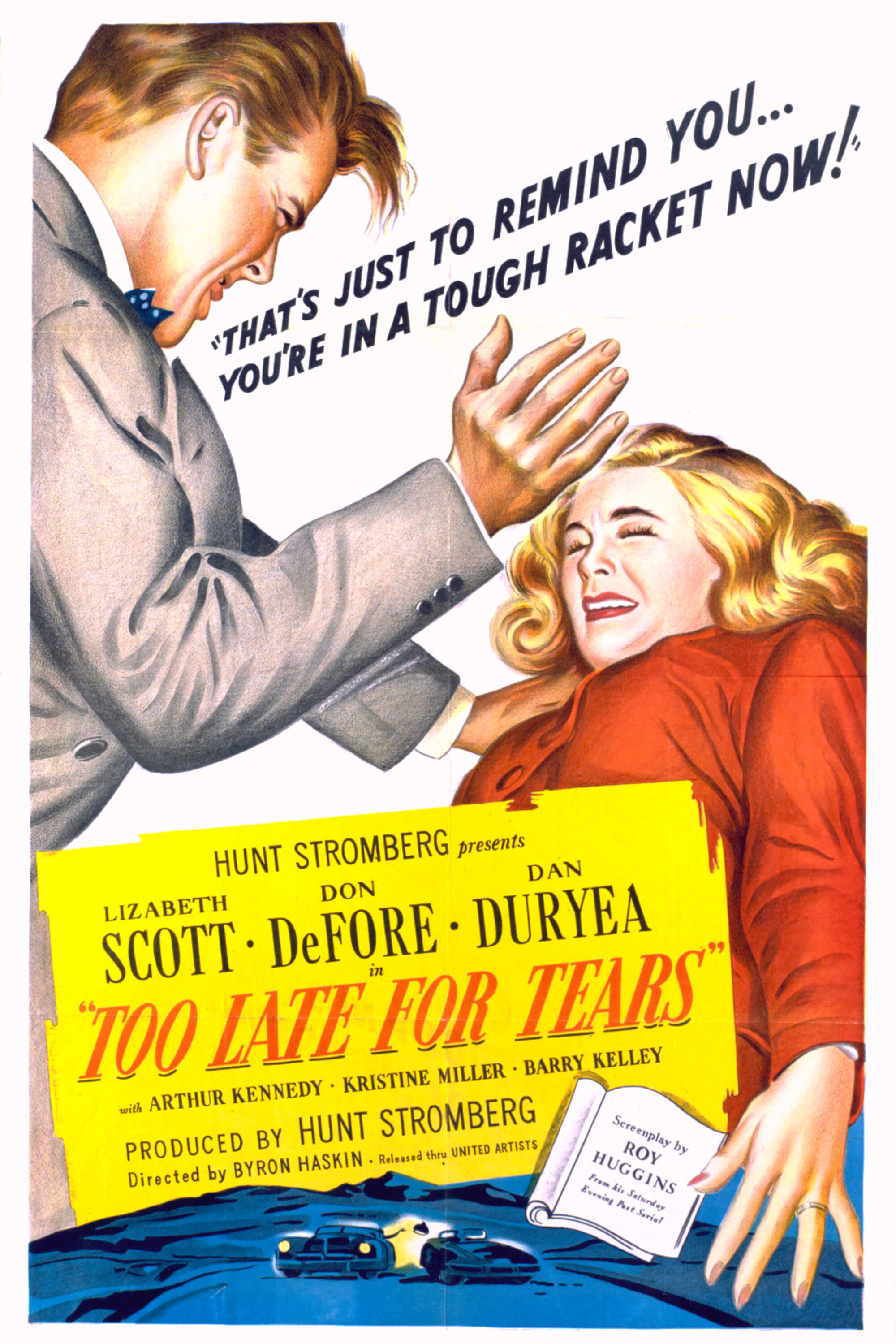
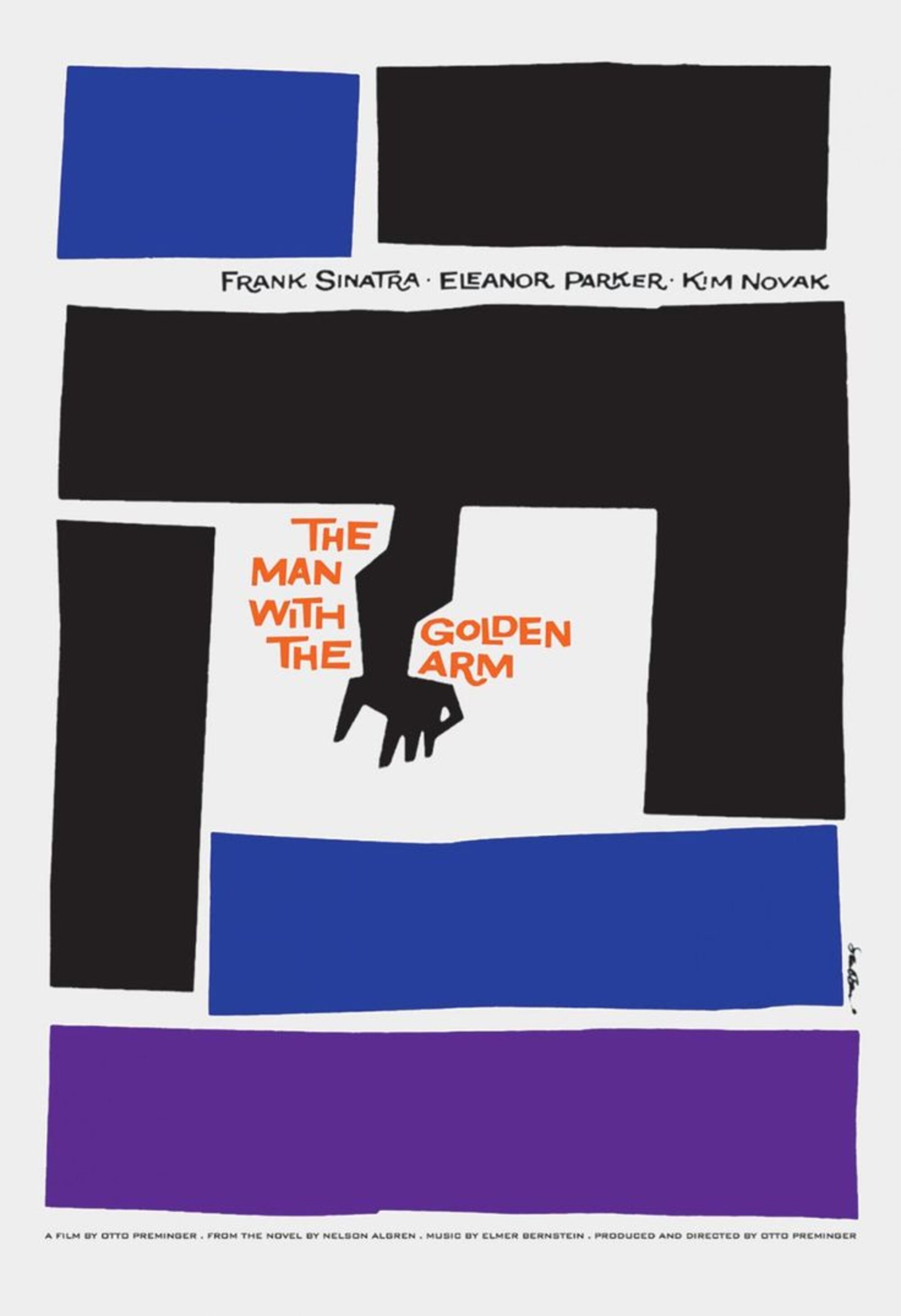
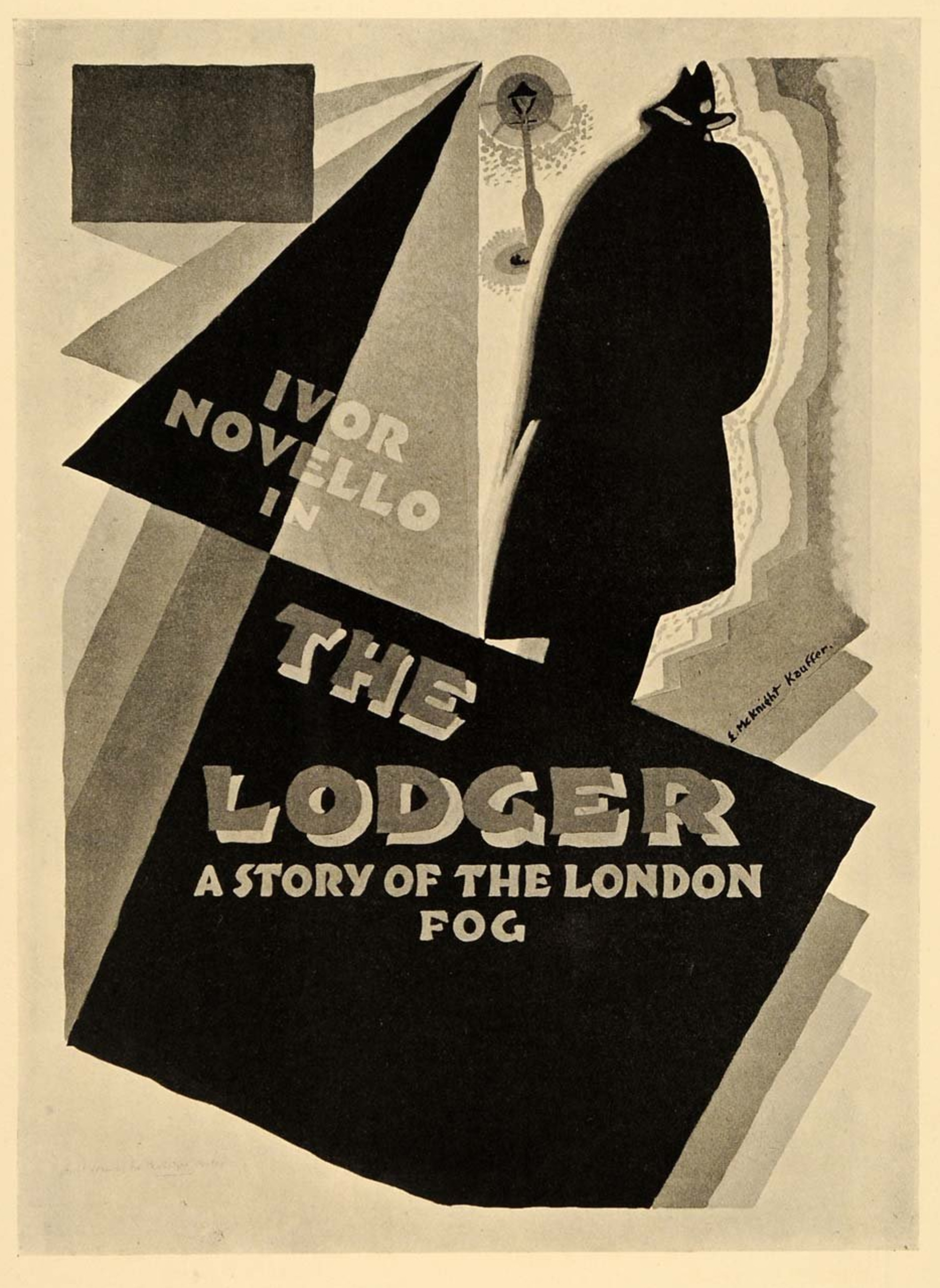
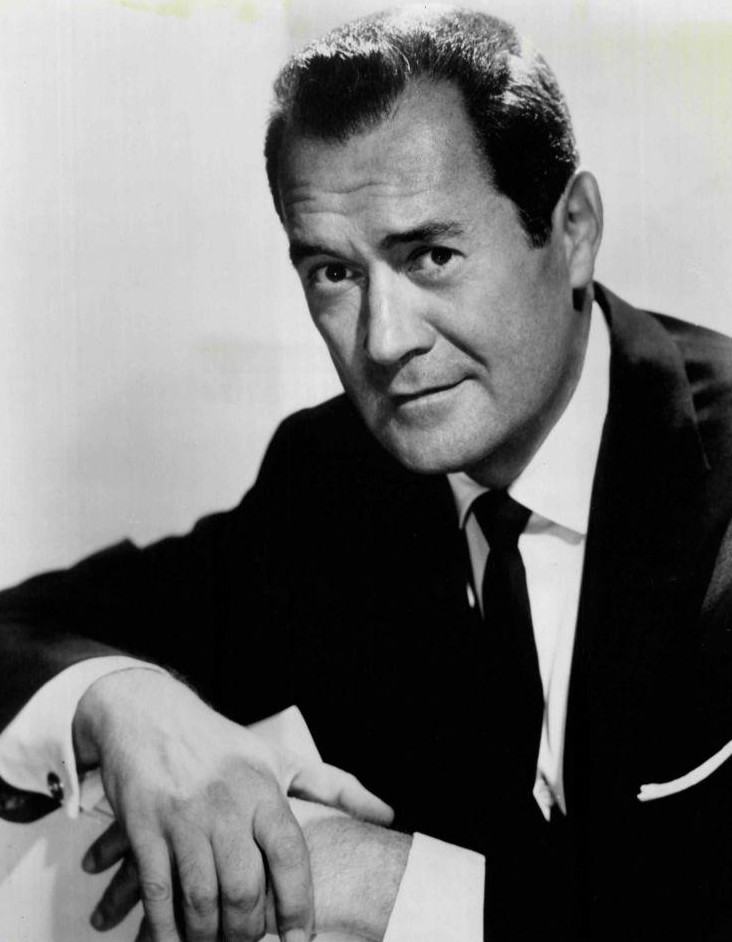
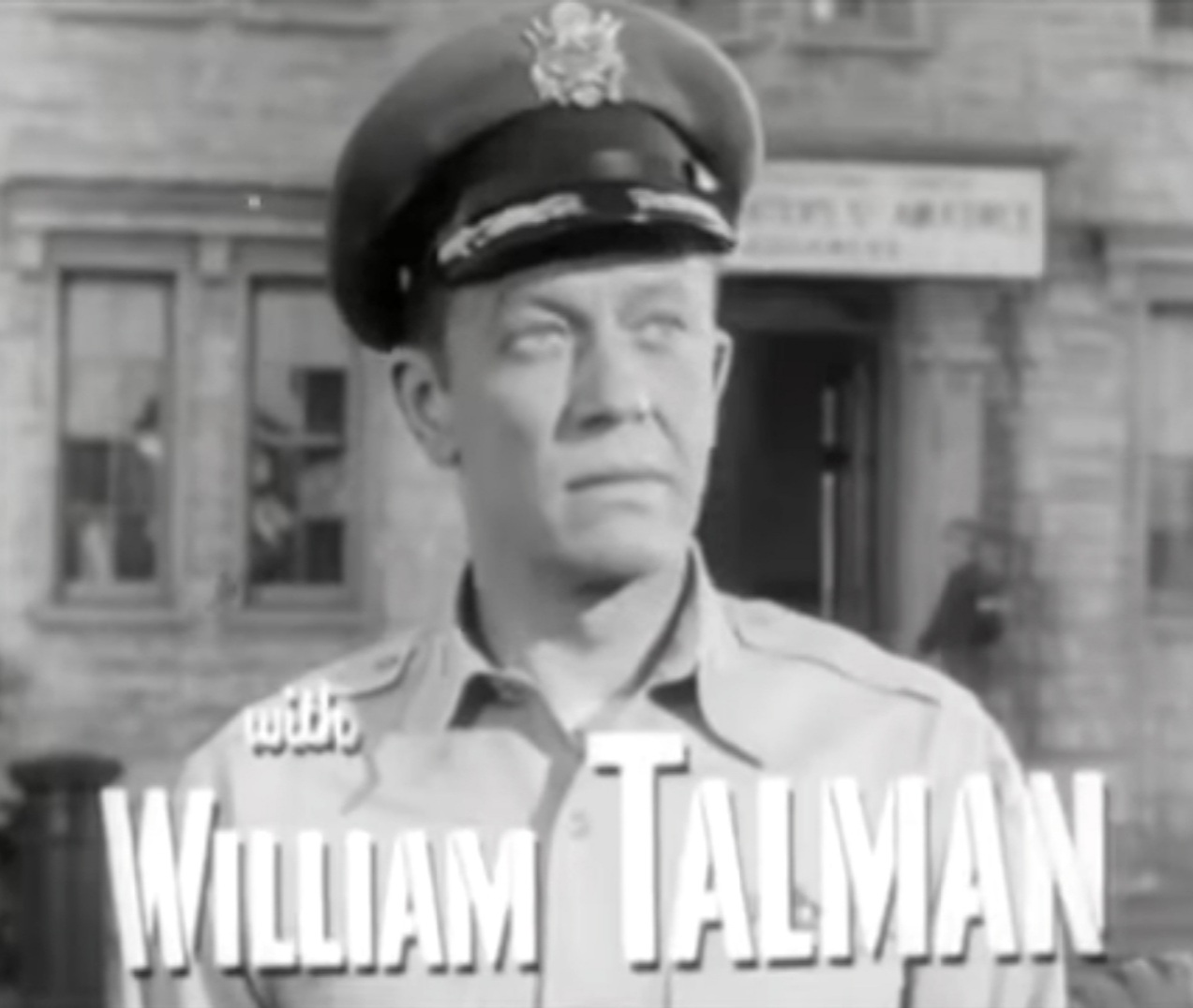
A Tense, Uncompromising Noir Thriller The Hitch-Hiker (1953) is a lean, relentless example of post-war American film noir that strips the genre down to its most elemental components: fear, fate, and moral uncertainty. Directed by Ida Lupino from a script she co-wrote with Collier Young, the picture centers on two friends who find themselves at the mercy of a violent drifter during a road trip to Mexico. Its stark narrative economy — short runtime, sparse dialogue, and concentrated dramatic focus — amplifies the sense of claustrophobia and helplessness, turning the open road into a corridor of dread. Lupino’s direction leans into silence as much as sound; moments of withheld information and sudden bursts of violence keep viewers off balance, while the film’s black-and-white cinematography emphasizes shadow and contrast to heighten psychological tension. A Landmark in Filmmaking and Gender Barriers Beyond its narrative merits, The Hitch-Hiker occupies a crucial place in cinematic history as the first mainstream American film noir directed by a woman. Ida Lupino, already an accomplished actress, brought to the project a singularly disciplined vision — one that balanced gritty realism with sympathetic human observation. That she co-wrote the screenplay with her then-husband Collier Young underscores Lupino’s multi-faceted creative control; she shaped performance, pacing, and moral texture in ways that marked her as a pioneering auteur in a male-dominated industry. The film’s basis in the real-life killing spree of Billy Cook provides a grim anchor in contemporary crime, but Lupino resisted sensationalism. Instead she used the true crime seed as a means to probe vulnerability, fate, and society’s anxieties about random violence across ordinary American landscapes. Performances, Style and Enduring Legacy Edmond O’Brien, William Talman and Frank Lovejoy deliver performances that are taut and unshowy, matching the film’s stripped-down aesthetic. O’Brien and Talman convincingly portray average men whose veneer of competence dissolves under pressure; Lovejoy’s menacing hitchhiker is unnerving because of his ordinariness and unpredictability rather than theatrical villainy. The film’s technical choices — handheld-leaning setups, intimate framing, and location shooting that captures desolate desert expanses and the vulnerability of the highway — all contribute to an atmosphere of impending doom. In 1998 the Library of Congress selected The Hitch-Hiker for preservation in the United States National Film Registry as “culturally, historically, or aesthetically significant,” a recognition that affirms the movie’s artistic achievement and social resonance. Even decades after its release, The Hitch-Hiker continues to be studied by film historians and appreciated by noir enthusiasts for its formal precision and moral complexity. Its influence can be traced in later road-thriller hybrids and in filmmakers who seek to combine low-budget intensity with rigorous character study. As a milestone for women behind the camera, the film also stands as a testament to Ida Lupino’s courage and craft — proof that a bold director could make austere cinema that still pierces the public imagination. Whether viewed as a taut crime chronicle, a psychological study of fear, or an important artifact of cinematic progress, The Hitch-Hiker remains a gripping, uncompromising work whose power endures.
-67ddb3a6d6e4f.jpg)