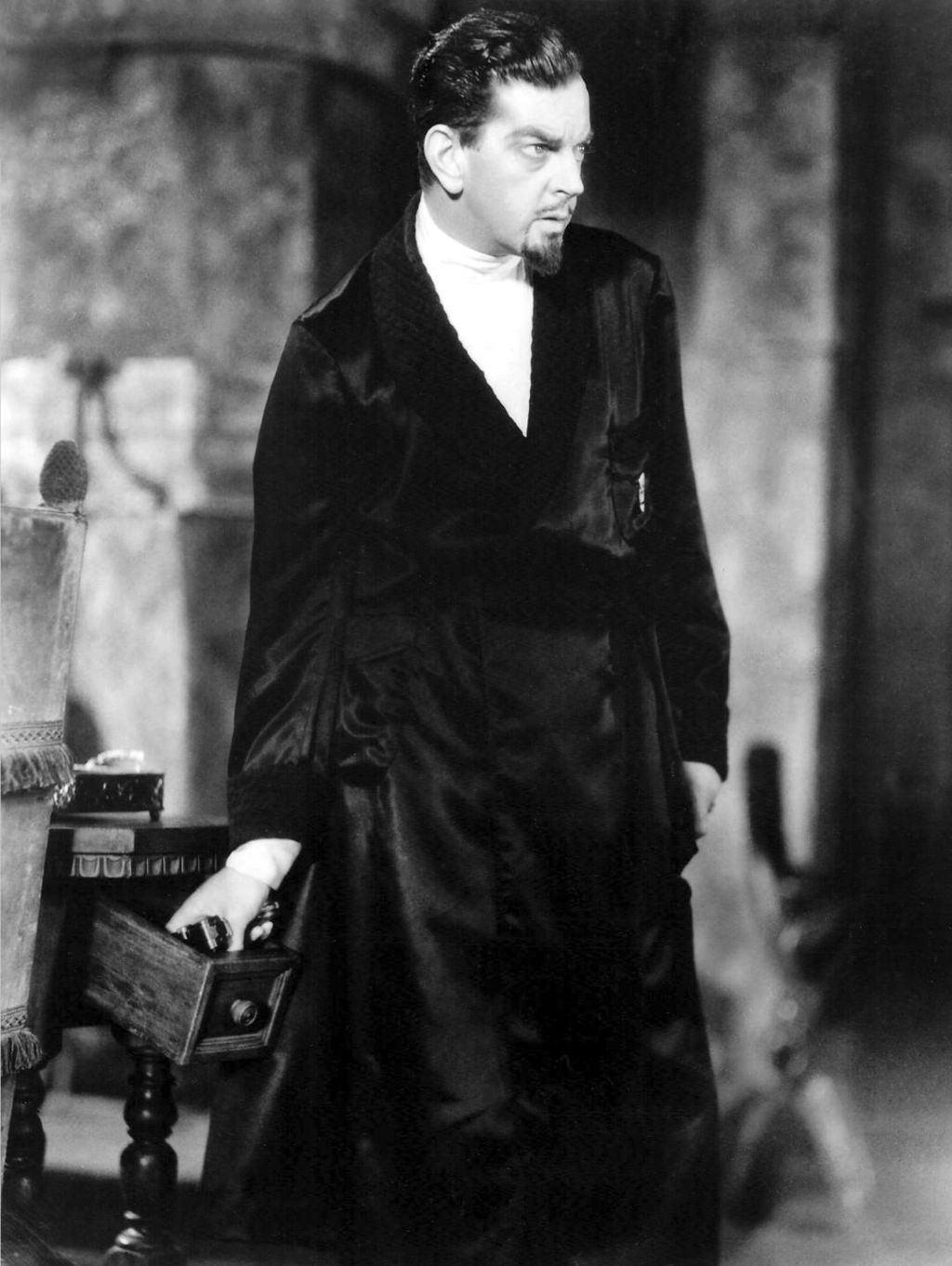
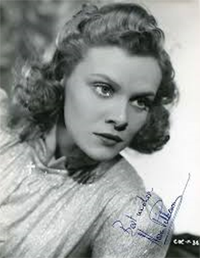
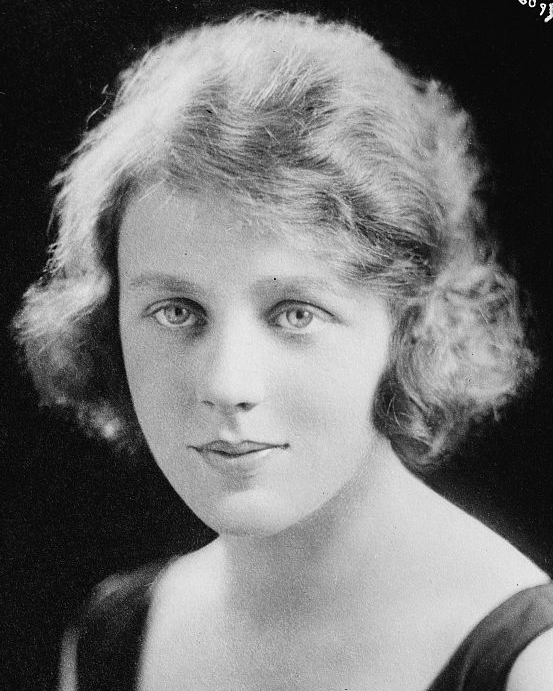
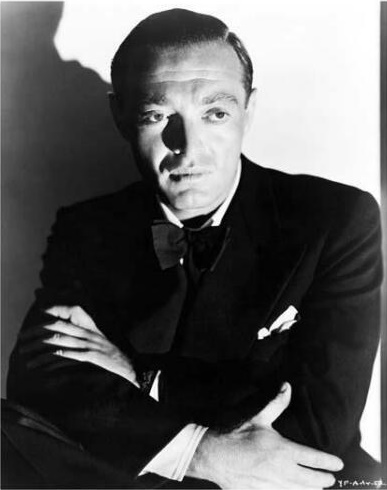
The Man Who Knew Too Much is a 1934 British spy thriller film directed by Alfred Hitchcock, featuring Leslie Banks and Peter Lorre, and released by Gaumont British. It was one of the most successful and critically acclaimed films of Hitchcock's British period. The film is Hitchcock's first film using this title and was followed later with his own 1956 film using the same name featuring a significantly different plot and script with some modifications. The second film featured James Stewart and Doris Day, and was made for Paramount Pictures. The two films are very similar in tone. In the book-length interview Hitchcock/Truffaut (1967), in response to filmmaker François Truffaut's assertion that aspects of the remake were by far superior, Hitchcock replied, "Let's say the first version is the work of a talented amateur and the second was made by a professional." However, some critics have concluded that Hitchcock's statement should not be taken at face value. What makes The Man Who Knew Too Much (1934) so enduring is not only Hitchcock’s mastery of suspense but also the atmosphere it captures from its time. Unlike later Hollywood productions, this early British thriller carries a unique texture, blending the grit of European settings with the elegance of pre-war cinema. The story of an unsuspecting family caught in an espionage conspiracy offers a timeless blueprint for the spy thriller genre. Audiences are drawn into a world of political intrigue, high-stakes secrecy, and moral dilemmas that remain relevant even decades later. Peter Lorre’s chilling performance, delivered with minimal English but maximum charisma, stands out as one of the most memorable villains in Hitchcock classics. For those exploring vintage British cinema, this film is an essential reference point, both as a landmark in Hitchcock’s development and as a suspense movie that set the stage for countless thrillers that followed. Today, The Man Who Knew Too Much (1934) is celebrated as a cornerstone of suspense films and a brilliant example of how Hitchcock revolutionized cinematic storytelling. Its influence can be traced in countless later works, from Cold War spy thrillers to modern mystery dramas, where ordinary people are thrown into extraordinary situations. The movie’s careful use of silence, framing, and off-screen tension demonstrates Hitchcock’s understanding of psychological fear rather than cheap shock. Film historians often highlight it as a turning point, where Hitchcock fully embraced his role as the “Master of Suspense,” crafting a balance between entertainment and artistic vision. Watching this film is more than enjoying a classic; it is stepping into the foundation of modern thriller cinema. For collectors, students of film, and fans of Hitchcock classics, this vintage British spy thriller remains not just a piece of history but a cinematic treasure that continues to captivate audiences around the world.