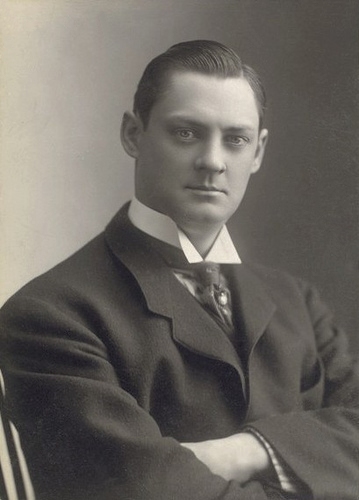
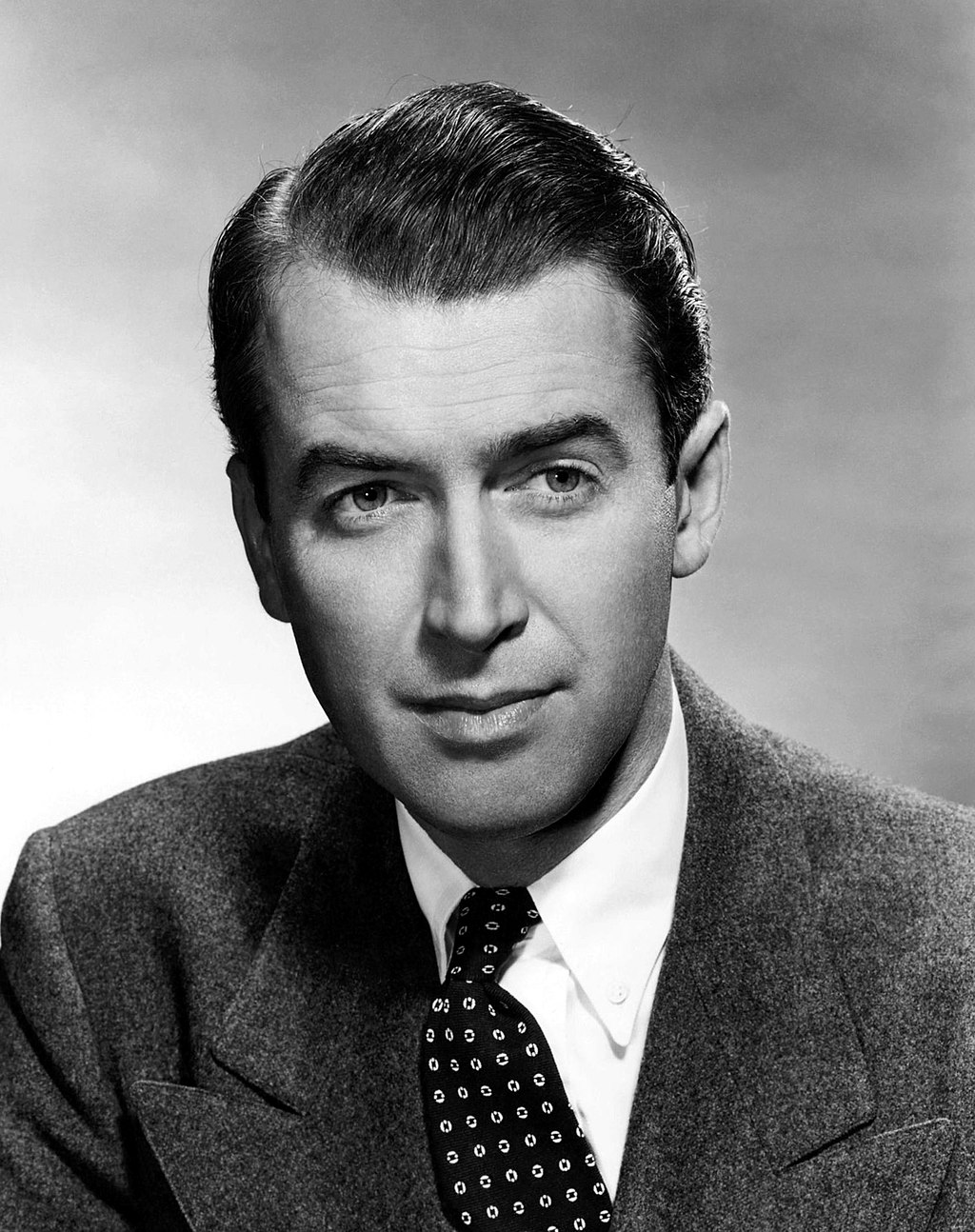
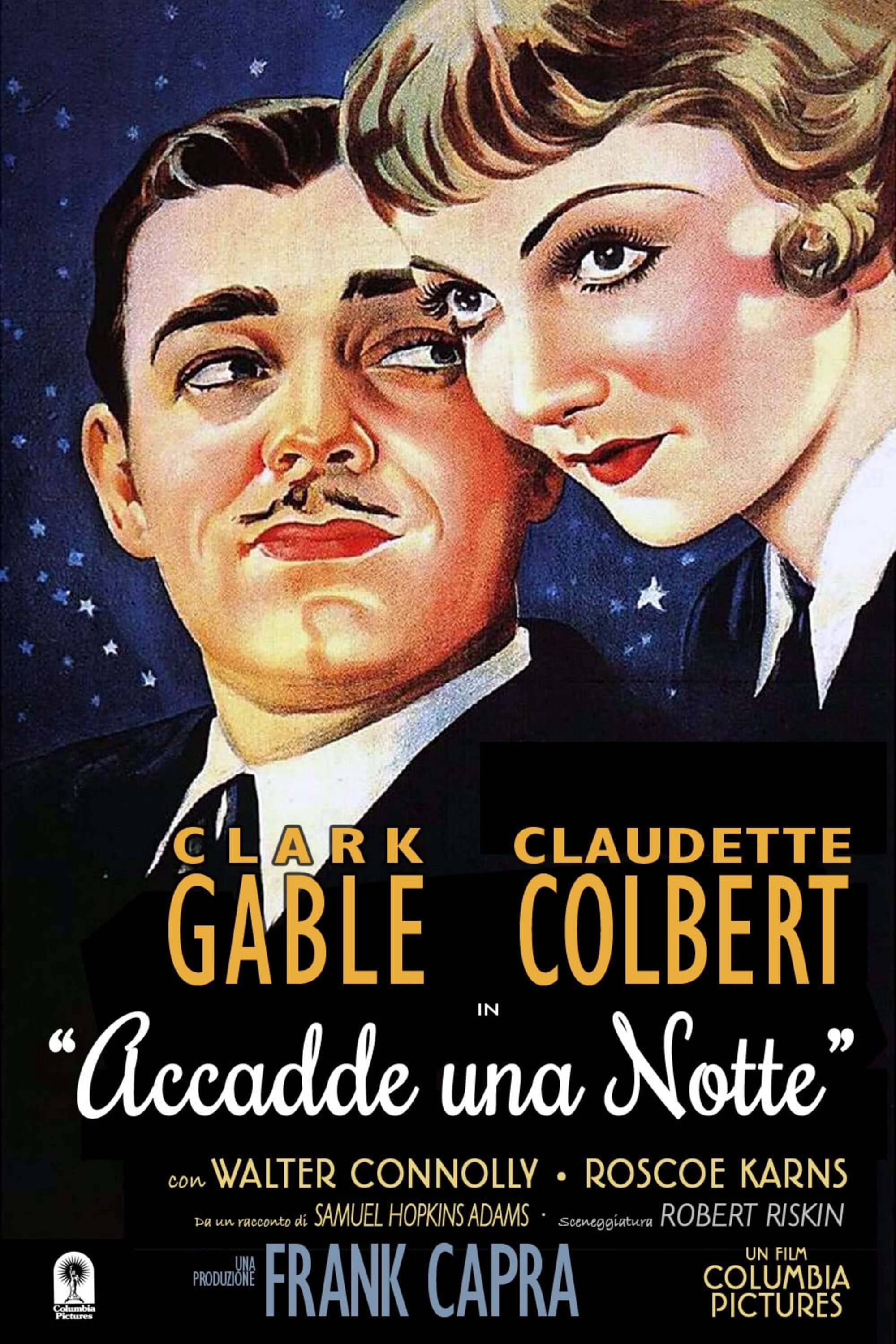
You Can't Take It with You (1938) is one of Frank Capra’s most beloved romantic comedies, showcasing his signature blend of humor, heart, and social commentary. Adapted by Robert Riskin from the Pulitzer Prize-winning 1936 play by George S. Kaufman and Moss Hart, the film tells the story of a young couple caught between the contrasting worlds of wealth, privilege, and eccentricity. At its core, it is a charming exploration of family dynamics, love, and the importance of living a life full of joy and meaning. Starring Jean Arthur, Lionel Barrymore, James Stewart, and Edward Arnold, the film explores the unlikely engagement between Tony Kirby (James Stewart), the son of a wealthy, snobbish family, and Alice Sycamore (Jean Arthur), who comes from a quirky, free-spirited household. The clash of these two families serves as the backdrop for a heartwarming narrative that stresses the value of happiness, kindness, and personal integrity over material wealth and social status. A Story of Family, Love, and Eccentricity At the heart of You Can't Take It with You is the contrast between two families: the aristocratic Kirbys, headed by the stern and business-driven Mr. Kirby (Edward Arnold), and the charmingly eccentric Sycamores, led by the lovable, eccentric patriarch, Martin Vanderhof (Lionel Barrymore). The Sycamores are a family of misfits who live joyfully and without concern for wealth or societal expectations, running a home filled with artists, inventors, and dreamers. The romance between Alice, who works for the wealthy Kirbys, and Tony, the Kirbys' son, serves as a key element of the story. Their engagement sets off a series of humorous and heartwarming events as the two families come into contact with one another, revealing the stark contrast between their values. While Tony’s family is focused on power, status, and money, Alice’s family values love, freedom, and the joy of living without regard for society’s judgments. The film’s charm lies in the way it celebrates the importance of love and family over wealth and status. It reminds us that happiness is not found in material possessions or social standing but in the relationships we cultivate and the way we choose to live our lives. Frank Capra’s Direction: A Heartfelt and Humorous Masterpiece Frank Capra’s direction brings out the best in the film’s ensemble cast, drawing both humor and heart from every scene. Capra, who won his third Academy Award for Best Director for this film, was known for his ability to blend comedy and social issues in a way that resonated deeply with audiences. His work on You Can't Take It with You continues this tradition, presenting a feel-good comedy that also delivers a subtle yet powerful critique of the obsession with wealth and social climbing. The film’s light-hearted tone and comedic situations are balanced by Capra’s deft handling of its emotional moments, creating a well-rounded narrative that touches on the importance of personal values, family, and self-acceptance. Capra’s ability to direct an ensemble cast and ensure each character is memorable is on full display here, with standout performances from Jean Arthur as Alice, Lionel Barrymore as the wise and loving Martin Vanderhof, and James Stewart as the earnest and charming Tony Kirby. A Critically and Commercially Successful Film You Can't Take It with You was both a critical and commercial success. Upon its release, the film received widespread acclaim for its sharp writing, strong performances, and heartfelt message. It was recognized at the Academy Awards, winning two Oscars: Best Picture and Best Director for Frank Capra. This marked Capra’s third Academy Award for Best Director in just five years, after his earlier wins for It Happened One Night (1934) and Mr. Deeds Goes to Town (1936). The film’s success also made it one of the most popular films of 1938, cementing Capra’s reputation as one of the foremost directors of the time. Its blend of humor, romance, and social commentary made it a favorite among audiences and critics alike, and it remains one of Capra’s most enduring works. The Legacy of You Can’t Take It with You You Can't Take It with You is a film that continues to be celebrated for its timeless message about the importance of family, love, and living a life of purpose. It is a testament to Capra’s talent for creating films that combine entertainment with social insight, offering a light-hearted yet thought-provoking commentary on societal values. The film also marked a high point in the careers of its stars, especially Jean Arthur, whose portrayal of the charming, free-spirited Alice remains one of her most beloved roles. Lionel Barrymore’s performance as the lovable, wise patriarch, Martin Vanderhof, is another highlight, offering a perfect balance of humor and warmth. James Stewart, too, shines as the well-meaning but somewhat naïve Tony, perfectly capturing the essence of Capra’s idealistic characters. Conclusion: A Must-Watch Romantic Comedy Classic You Can't Take It with You remains one of the most beloved romantic comedies in Hollywood history. Its joyful tone, endearing characters, and timeless message about the true meaning of happiness make it a perfect feel-good film for any audience. Frank Capra’s masterful direction and the exceptional performances from Jean Arthur, Lionel Barrymore, and James Stewart ensure that the film continues to captivate viewers, making it an enduring classic of American cinema. For fans of romantic comedies, social satire, and Capra’s signature blend of humor and heart, You Can't Take It with You is an absolute must-see. It’s a delightful, uplifting film that reminds us that the most important things in life aren’t found in wealth or status, but in the love and connections we share with others.