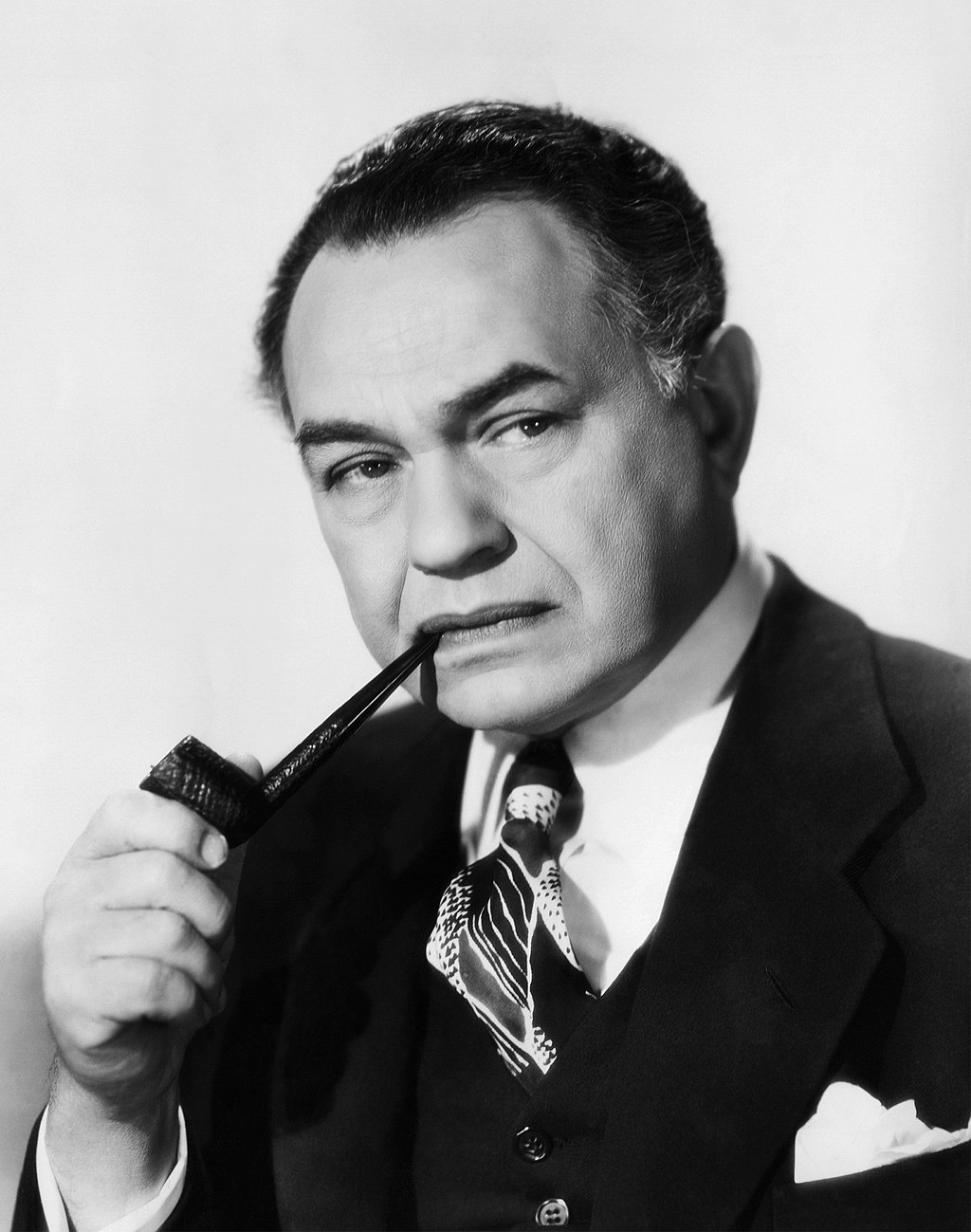
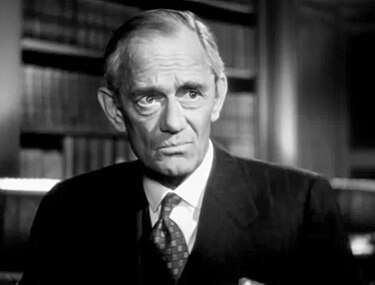
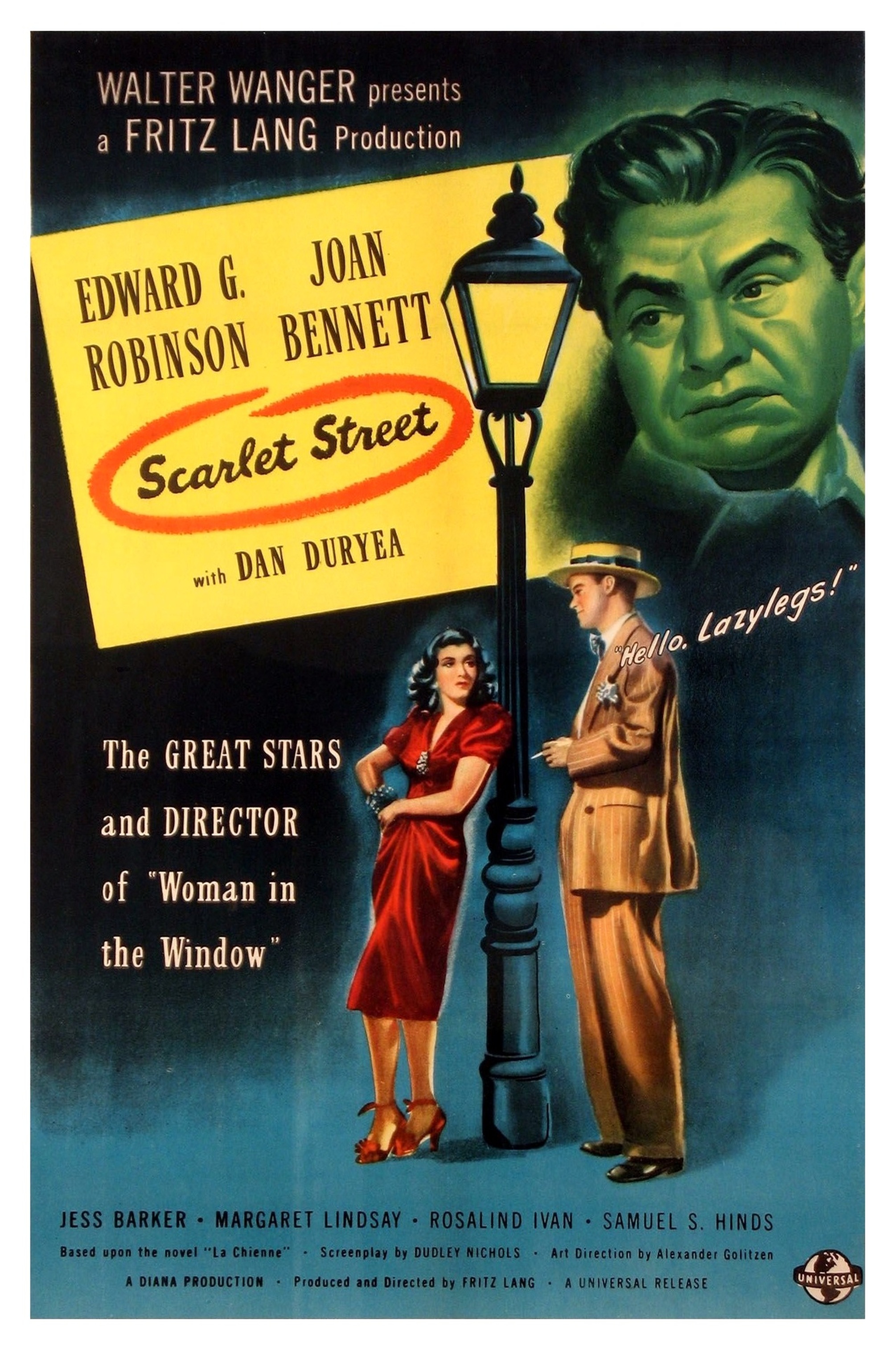
The Stranger is a 1946 American thriller and film noir directed by Orson Welles, who also co-wrote the screenplay (though uncredited) and starred alongside Edward G. Robinson and Loretta Young. This was Welles’s third completed feature as a director and marked his first foray into the film noir genre. The story follows a relentless war crimes investigator who tracks a high-ranking Nazi fugitive hiding under a false identity in a quiet Connecticut town. Groundbreaking for its time, The Stranger was the first Hollywood film to incorporate actual documentary footage of the Holocaust, giving audiences a chilling reminder of the atrocities of World War II. Plot and Themes At its core, the film explores themes of identity, justice, and the lingering shadows of war. Orson Welles plays Franz Kindler, a former Nazi mastermind who has assumed a new life as a respected academic. Edward G. Robinson portrays the investigator determined to expose him, while Loretta Young stars as Kindler’s unsuspecting wife, whose world unravels as the truth emerges. The film blends suspense, moral conflict, and noir atmosphere, capturing the paranoia and unease of postwar America. Production and Reception Released in 1946, The Stranger stood out for its bold use of authentic Holocaust footage, which was unusual—and controversial—for mainstream cinema at the time. This creative decision gave the film an unflinching sense of realism and underscored the urgency of its themes. The movie was nominated for the Golden Lion (then known as the Grand International Prize) at the 8th Venice International Film Festival. Screenwriter Victor Trivas earned an Academy Award nomination for Best Story, further highlighting the film’s critical acclaim. Legacy Although it is sometimes overlooked in comparison to Welles’s earlier classics like Citizen Kane (1941) or The Magnificent Ambersons (1942), The Stranger remains a significant work in his career. Its taut storytelling, atmospheric cinematography, and daring subject matter continue to attract scholars and cinephiles alike. When its copyright was not renewed, The Stranger entered the public domain, making it widely accessible for viewing, preservation, and study. Today, it is often featured in discussions of noir cinema, Welles’s artistic evolution, and Hollywood’s engagement with postwar themes.