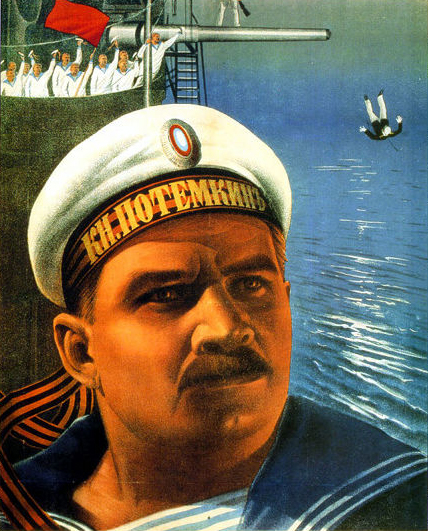
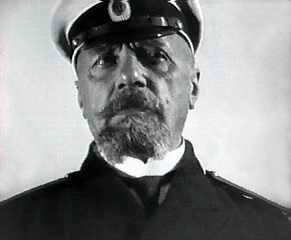
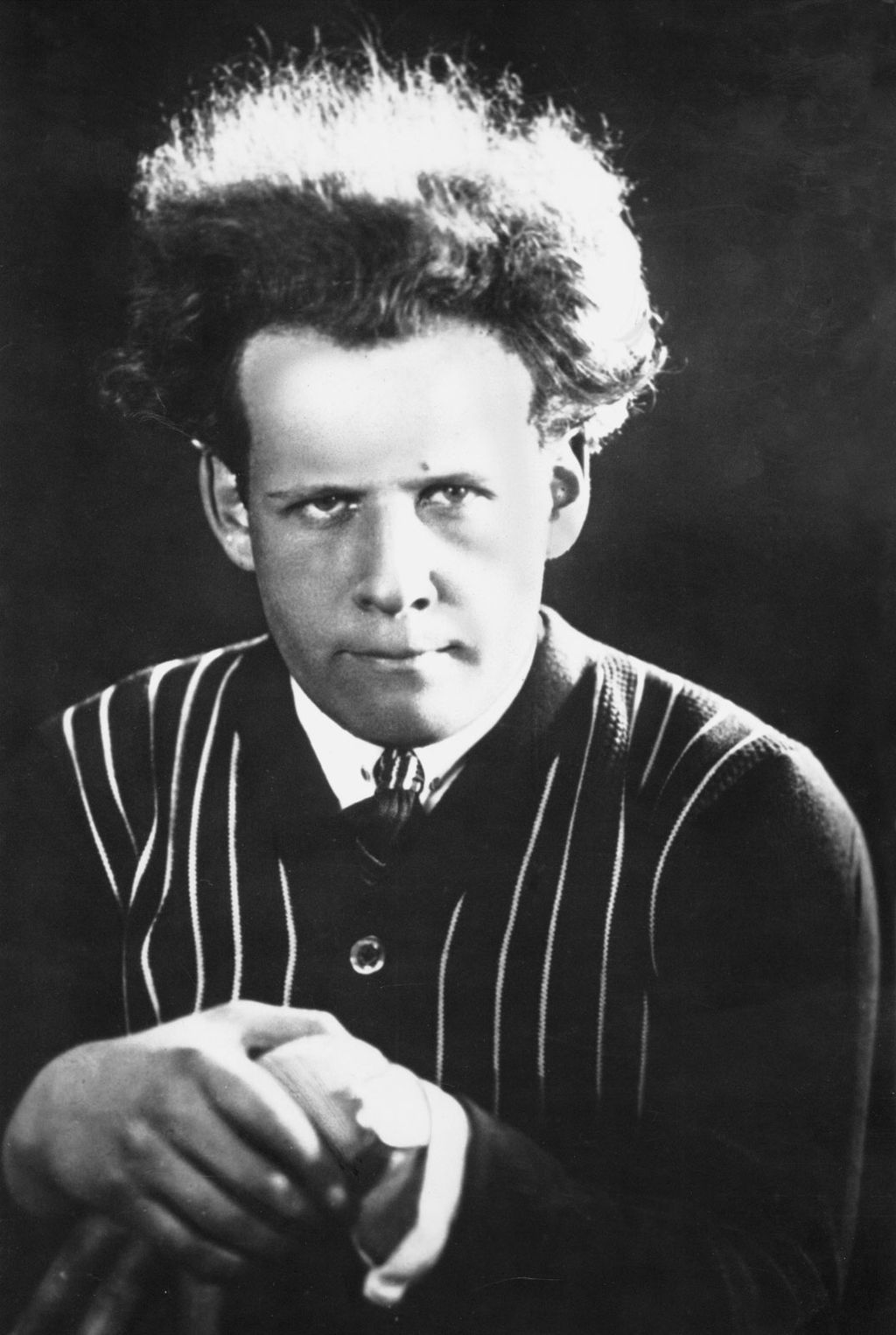
Battleship Potemkin (1925), directed by Sergei Eisenstein, is one of the most important and influential films ever made. A silent Soviet epic, the film dramatizes the 1905 mutiny of the Russian battleship Potemkin, when the crew rebelled against their officers due to poor conditions and oppressive treatment. The film is known not only for its powerful portrayal of revolution but also for its revolutionary use of film techniques, most notably the famous “Odessa Steps” sequence. Battleship Potemkin was produced by Mosfilm and remains one of the finest examples of Soviet cinema from the 1920s. While initially controversial due to its political themes, the film was quickly recognized for its technical achievements and artistic merit. It has since become an essential work in the history of cinema, influencing filmmakers around the world. Voted one of the greatest films of all time, it continues to be studied and admired for its cinematic artistry and its powerful storytelling. The Story: Revolution at Sea The plot of Battleship Potemkin is based on the real-life events of the 1905 mutiny aboard the Russian battleship Potemkin. The film opens with the crew suffering from inadequate food and harsh treatment by their officers. The breaking point occurs when the sailors are given spoiled meat, which leads to an outbreak of anger and dissatisfaction among the crew. This sparks a mutiny, with the sailors taking control of the ship and confronting the officers. The film's narrative is structured in five chapters, each illustrating a different stage of the rebellion and the aftermath. The story is not simply about the mutiny itself but also about the broader societal struggles of the time, symbolizing the fight for justice and the oppression of the working class. Eisenstein’s portrayal of the crew’s bravery and the violence of the conflict is both an emotional and a political statement. Although Battleship Potemkin is a fictionalized account, it is rooted in historical events, and its depiction of the revolution is dramatic, intense, and politically charged. The film’s portrayal of class struggle and its message of resistance against authority resonated deeply with audiences, especially in Soviet Russia. Revolutionary Cinematic Techniques: Montage and the Odessa Steps One of the key reasons Battleship Potemkin is considered a landmark in film history is Eisenstein’s innovative use of montage. Montage, the technique of editing together distinct shots to create meaning and emotional impact, was used by Eisenstein to amplify the power of the film’s message and to enhance the emotional intensity of the scenes. Perhaps the most famous sequence in the film is the "Odessa Steps" scene, in which soldiers violently suppress a peaceful demonstration of civilians. Eisenstein uses rapid cutting, close-ups, and varying shot compositions to create a sense of chaos and tension. The sequence is one of the most iconic in film history, with the image of a pram rolling down the stairs becoming one of cinema’s most famous shots. Eisenstein’s use of montage in Battleship Potemkin was revolutionary. By juxtaposing contrasting images and speeding up or slowing down the action through editing, he was able to convey complex emotional and political themes in a powerful way. The Odessa Steps sequence, in particular, is a masterclass in how film editing can heighten the emotional stakes of a scene and evoke a visceral response from the audience. Political Themes: Class Struggle and Rebellion At its core, Battleship Potemkin is a film about social injustice, class struggle, and the uprising of the oppressed against the oppressors. The film presents the sailors of the Potemkin as working-class heroes, fighting against the corrupt and authoritarian officers who treat them with cruelty and disregard. The mutiny is framed as not just an isolated act of defiance but as part of a broader historical movement against the autocratic Russian government. The film’s political themes were shaped by Eisenstein’s strong Marxist beliefs and his desire to create cinema that would inspire revolutionary thought and action. Battleship Potemkin was released during a time of great political upheaval in Russia, and its message of unity and resistance resonated with Soviet audiences. Although the film is now seen as a work of political propaganda, its ability to convey the power of collective action and its critique of power structures remain relevant today. Legacy and Influence: A Milestone in Film History Battleship Potemkin was initially released to great acclaim in the Soviet Union, and its influence quickly spread throughout the world. The film’s groundbreaking use of montage and its political themes made it a landmark in cinema, influencing both Soviet filmmakers and filmmakers internationally. It remains one of the most studied films in film schools and continues to be a major influence on directors and editors. The film’s cultural and historical impact cannot be overstated. In 1958, Battleship Potemkin was included on the prestigious Brussels 12 list at the World Expo, solidifying its reputation as one of the greatest films ever made. It was later ranked #54 in the 2022 Sight and Sound critics' poll, and it has consistently been placed near the top of lists of the greatest films of all time in previous editions of the poll. In 2011, the film was selected for preservation in the United States National Film Registry by the Library of Congress, recognizing its lasting impact on the world of cinema. Its status as a cultural touchstone is secure, and it is frequently cited as one of the most significant films in the history of film theory and practice. Conclusion: A Masterpiece of Cinema Battleship Potemkin (1925) is a film that transcends its time, with its revolutionary cinematic techniques and powerful political message. Sergei Eisenstein’s masterful direction and use of montage create a film that is as emotionally compelling as it is visually innovative. The film’s depiction of class struggle, rebellion, and collective action remains resonant, and its influence on cinema continues to be felt in the work of modern filmmakers. For anyone interested in the history of cinema, Battleship Potemkin is an essential film to watch. Its impact on film language, storytelling, and editing is immeasurable, and it remains one of the greatest films ever made, cementing Eisenstein’s place as one of the most important filmmakers in history.