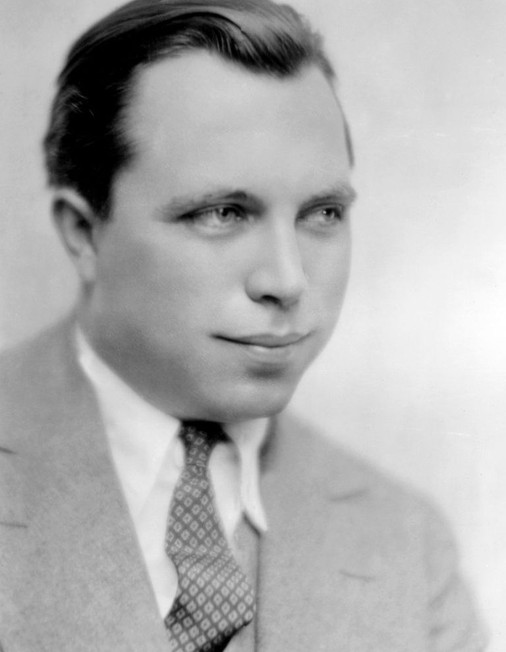
The Big Parade (1925), directed by King Vidor, is one of the most influential and realistic war films of the silent era. Written by Laurence Stallings, a World War I veteran, the film offers a powerful and emotional portrayal of the hardships faced by soldiers during the First World War. It tells the story of an idle, privileged young man named James Apperson (John Gilbert) who joins the U.S. Army’s Rainbow Division and is sent to France to fight. Through his journey, he experiences the horrors of trench warfare, forms lasting friendships with working-class soldiers, and finds love with a French woman (Renée Adorée). The Big Parade is renowned not only for its compelling story and outstanding performances but also for its unflinching depiction of the brutal realities of war. It was groundbreaking in its portrayal of combat, personal sacrifice, and the emotional and psychological toll of war. The film was a commercial success and received critical acclaim for its authenticity and emotional depth, influencing many war films that followed, including the iconic All Quiet on the Western Front (1930). A Story of Transformation and Friendship At the heart of The Big Parade is the transformation of James Apperson, a wealthy and naive young man who is initially indifferent to the struggles of the working class and the realities of war. When James enlists in the military, he is assigned to the Rainbow Division, where he befriends two working-class soldiers, Bull (Karl Dane) and Slim (Tom O'Brien). These two men, from vastly different backgrounds, guide James through the rigors of military life, forming a bond of camaraderie and friendship that transcends social divisions. As James is thrust into the horrors of trench warfare, his character undergoes a profound transformation. The film carefully details his emotional journey—from the initial excitement and bravado of a young man eager for adventure, to the harsh reality of death, fear, and sacrifice that comes with combat. The relationships James forms with his fellow soldiers and his love affair with a French woman, Melisande (Renée Adorée), humanize him and give the film its emotional depth. The film’s depiction of trench warfare—complete with explosions, barbed wire, and soldiers in peril—is strikingly realistic, capturing the disillusionment of young soldiers and their search for meaning amid the chaos of war. Realistic Depiction of Warfare One of the most praised aspects of The Big Parade is its realistic portrayal of World War I combat. Director King Vidor and his team went to great lengths to ensure that the film authentically depicted the hardships faced by soldiers in the trenches. The film is noted for its graphic realism in depicting the violence, confusion, and emotional turmoil of warfare. Unlike many other war films of the time, which focused on heroic victories and glorified battle, The Big Parade presents a sobering and honest view of war’s devastating impact on soldiers. The film's realistic approach to warfare influenced many future war films, particularly in the way it humanized soldiers and depicted the personal cost of war. The film does not shy away from showing the horrors of combat—soldiers are shown to be fearful, wounded, and traumatized, and the film’s stark visuals emphasize the brutality of the war. A Love Story Amidst the Chaos Amid the devastation of war, The Big Parade also features a love story that offers a brief respite from the horrors of the battlefield. James falls in love with Melisande, a French woman who embodies the hope and human connection that persists even in the darkest of times. Their romance, though short-lived, highlights the resilience of the human spirit and the ability to find love and meaning even in the face of overwhelming tragedy. Renée Adorée’s portrayal of Melisande brings a sense of warmth and tenderness to the film, offering a contrast to the harsh realities of the war. Her character provides James with emotional support and helps him retain his humanity amid the dehumanizing conditions of trench warfare. The love story offers a bittersweet note of hope, which resonates deeply with the audience as it contrasts with the film's more sobering themes. Legacy and Influence on Future War Films The Big Parade was a critical and commercial success upon its release, and its impact on the war film genre is immeasurable. The film's unflinching portrayal of the psychological toll of war and its exploration of themes such as camaraderie, sacrifice, and disillusionment would influence future war films for decades to come. It was particularly influential in shaping the depiction of World War I in cinema, setting the standard for the portrayal of the emotional and psychological experiences of soldiers. The film also influenced the direction of future war films, including All Quiet on the Western Front (1930), which would go on to become one of the most iconic films about World War I. The Big Parade is regarded as one of the first films to take a realistic, anti-war stance, focusing on the grim realities of war rather than glorifying it. Its impact can still be felt in modern war films, which continue to explore the psychological effects of combat and the personal sacrifices made by soldiers. In 1992, The Big Parade was selected for preservation in the United States National Film Registry by the Library of Congress, recognizing its cultural, historical, and artistic significance. This honor solidified the film’s legacy as one of the most important war films ever made. Restoration and Rediscovery The film has undergone restoration efforts to preserve its visual and narrative integrity. Despite the challenges of film deterioration over time, The Big Parade has been carefully restored, allowing modern audiences to experience it in all its glory. Its enduring legacy as a classic of American cinema has ensured that it continues to be appreciated by film enthusiasts and scholars alike. Conclusion: A Timeless War Drama The Big Parade (1925) stands as one of the most important and influential films of the silent era, offering a poignant, realistic depiction of the emotional and physical cost of war. King Vidor’s direction, combined with the exceptional performances of John Gilbert, Renée Adorée, and the rest of the cast, makes this film a landmark in the history of war cinema. Its exploration of love, friendship, and sacrifice during World War I, paired with its realistic portrayal of the horrors of combat, ensures that The Big Parade remains a timeless classic. For fans of war films, silent cinema, or film history in general, The Big Parade is a must-see. It offers a powerful, humanizing look at the experiences of soldiers during World War I and continues to influence how war films are made today.