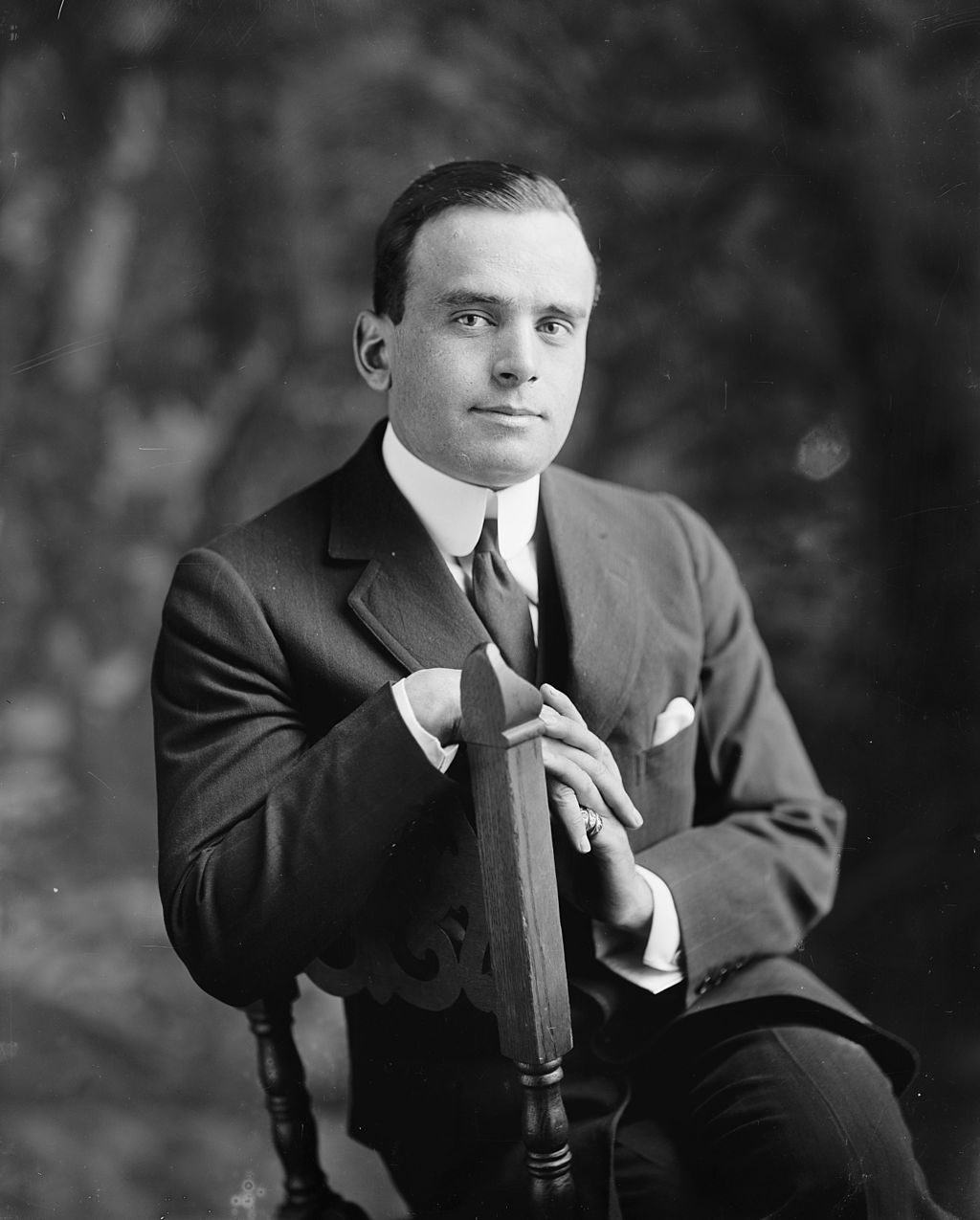
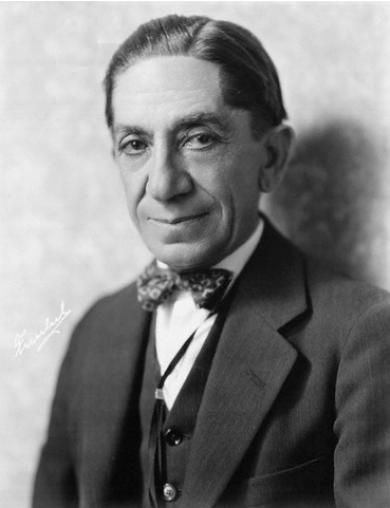
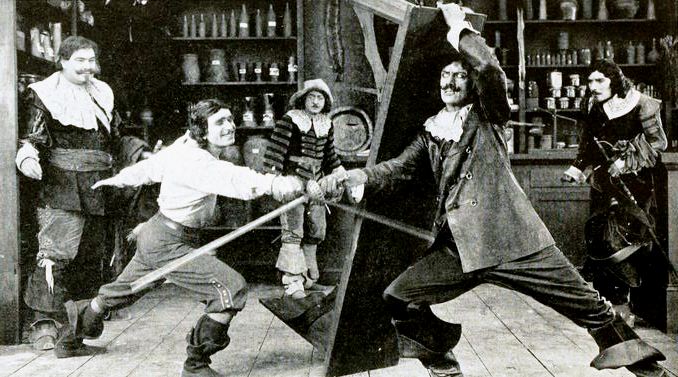
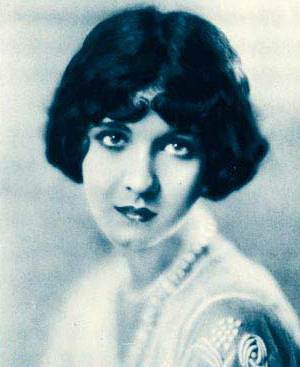
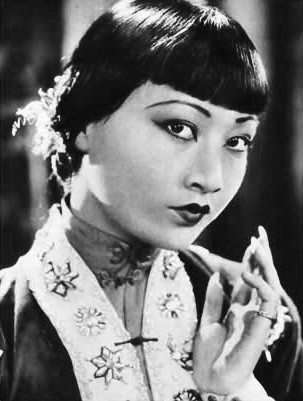
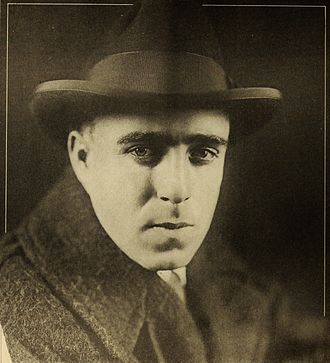
The Thief of Bagdad (1924), directed by Raoul Walsh and starring the legendary Douglas Fairbanks, is one of the most iconic and visually spectacular silent films ever made. Adapted from the tales of One Thousand and One Nights, the film takes audiences on an epic adventure through a magical, exotic world. With its rich Arabian-style sets, imaginative special effects, and Fairbanks's swashbuckling performance, The Thief of Bagdad continues to captivate viewers as one of the greatest silent films of all time. The film tells the story of a charming and resourceful thief who falls in love with the beautiful Princess of Baghdad, the daughter of the Caliph. The thief embarks on a perilous journey to win her love, facing numerous magical obstacles, including fearsome monsters, flying carpets, and a treacherous Mongol slave. The film is a brilliant blend of romance, fantasy, and action, showcasing Fairbanks’s exceptional athleticism and charisma as a daring hero. Douglas Fairbanks: The King of Swashbuckling Adventure The Thief of Bagdad is often considered Douglas Fairbanks’s greatest film, marking the pinnacle of his career in the genre of swashbuckling adventure. Known for his athleticism and exuberant style, Fairbanks’s portrayal of the titular thief is a blend of charm, daring, and humor. His "catlike, seemingly effortless" movements, which combine gymnastics with dance, are central to his performance, showcasing the physical prowess that made him a star. Fairbanks’s performance in The Thief of Bagdad is a natural evolution from his earlier roles in The Mark of Zorro (1920) and Robin Hood (1922), where he began to establish himself as the leading man in heroic adventure films. In The Thief of Bagdad, he brings a sense of lightheartedness and charisma to the character, making him not only an exciting action hero but also a lovable rogue. The film is widely regarded as the artistic triumph of Fairbanks’s career. As biographer Jeffrey Vance notes, the film’s "superb visual design, spectacle, imaginative splendor, and visual effects, along with his bravura performance," all contribute to making The Thief of Bagdad his masterpiece. Fairbanks’s ability to lead a cast of thousands and his willingness to perform many of his own stunts only enhanced the film’s lasting appeal. Innovative Visual Effects and Set Design One of the standout features of The Thief of Bagdad is its groundbreaking use of special effects, which were revolutionary for its time. The film features impressive visual elements such as a flying carpet, a magic rope, and a series of fearsome monsters, each contributing to the sense of wonder and adventure. These effects were a significant step forward for the film industry, helping to establish The Thief of Bagdad as a key film in the development of visual storytelling. In addition to the special effects, the film is renowned for its elaborate sets. The filmmakers created massive Arabian-style backdrops that brought the story’s magical world to life. These sets, along with the detailed costumes and set designs, helped to transport audiences into a fantastical version of ancient Baghdad. The film's visual grandeur contributed to its status as one of the most stunning films of the silent era. A Legendary Cast and Anna May Wong's Breakout Role Alongside Fairbanks, the film features a standout performance by Anna May Wong, who portrays a treacherous Mongol slave. The Thief of Bagdad marked a significant moment in Wong's career, as it gave her a chance to showcase her talents in a role that deviated from the typical portrayals of Asian women in cinema at the time. Her performance, while playing a villainous character, was an important milestone for Wong, who would go on to become one of the most famous Asian actresses in Hollywood history. The supporting cast, including Richard Temple, Charles Belcher, and the legendary George Siegmann, helps to bring the story’s vibrant world to life, adding depth to the characters and contributing to the film’s overall success. Cultural and Historical Impact The Thief of Bagdad was a box-office success upon its release and continues to be celebrated for its technical achievements and visual spectacle. In 1996, the film was selected for preservation in the United States National Film Registry by the Library of Congress for being "culturally, historically, or aesthetically significant." This recognition ensures that the film's legacy is preserved for future generations, allowing new audiences to appreciate the artistry and innovation that went into creating this cinematic gem. The film's influence extends beyond the silent era. It became a key source of inspiration for later adventure films and swashbuckling stories. Its emphasis on visual storytelling, elaborate stunts, and fantasy elements helped to shape the adventure genre for decades to come. Remakes and Legacy The Thief of Bagdad was remade several times, with the most notable version being the 1940 Technicolor remake that split the main character into two roles: a deposed prince and a thief, played by Sabu. The 1940 version took a more fantastical approach, though the original remains the definitive interpretation of the story. The legacy of The Thief of Bagdad continues to live on through its influence on future adventure and fantasy films, as well as through its status as one of the greatest silent films in cinema history. Conclusion: A Silent Film Masterpiece The Thief of Bagdad (1924) is an unforgettable cinematic experience, blending thrilling adventure, romance, and fantasy with exceptional performances, especially by Douglas Fairbanks. Its groundbreaking use of special effects, massive sets, and visual spectacle make it a hallmark of silent film, and its influence on future filmmaking cannot be overstated. Fairbanks’s captivating performance, coupled with the film’s epic scale and imaginative world, has solidified The Thief of Bagdad as one of the greatest achievements of the silent era. For lovers of classic cinema, adventure, and fantasy films, The Thief of Bagdad is a must-see. It remains an enduring masterpiece, showcasing the creative vision of its filmmakers and the talents of its legendary stars.