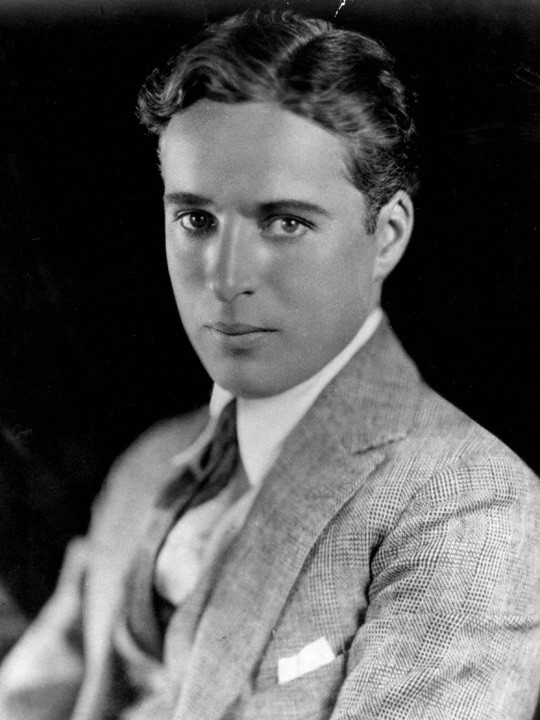
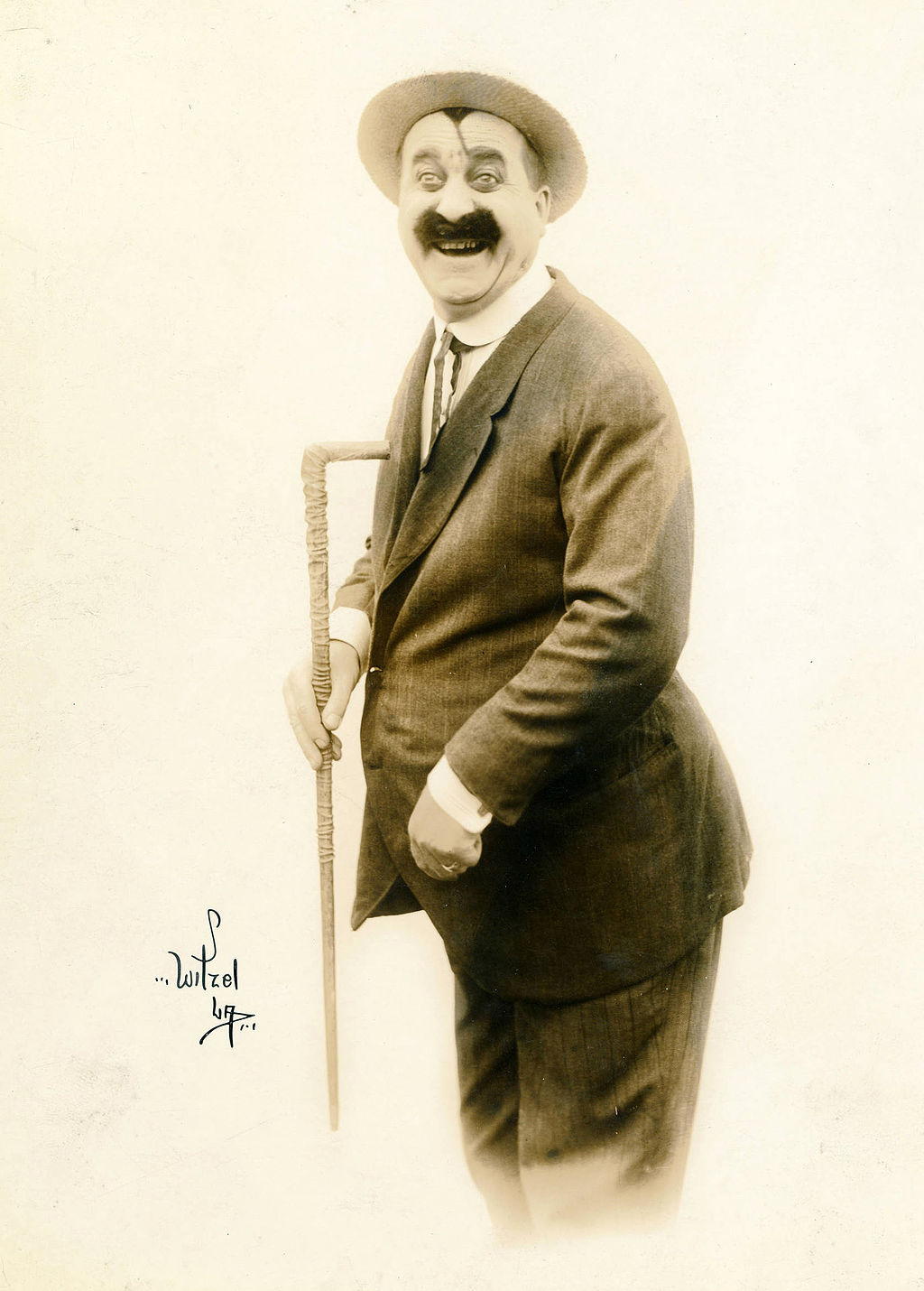
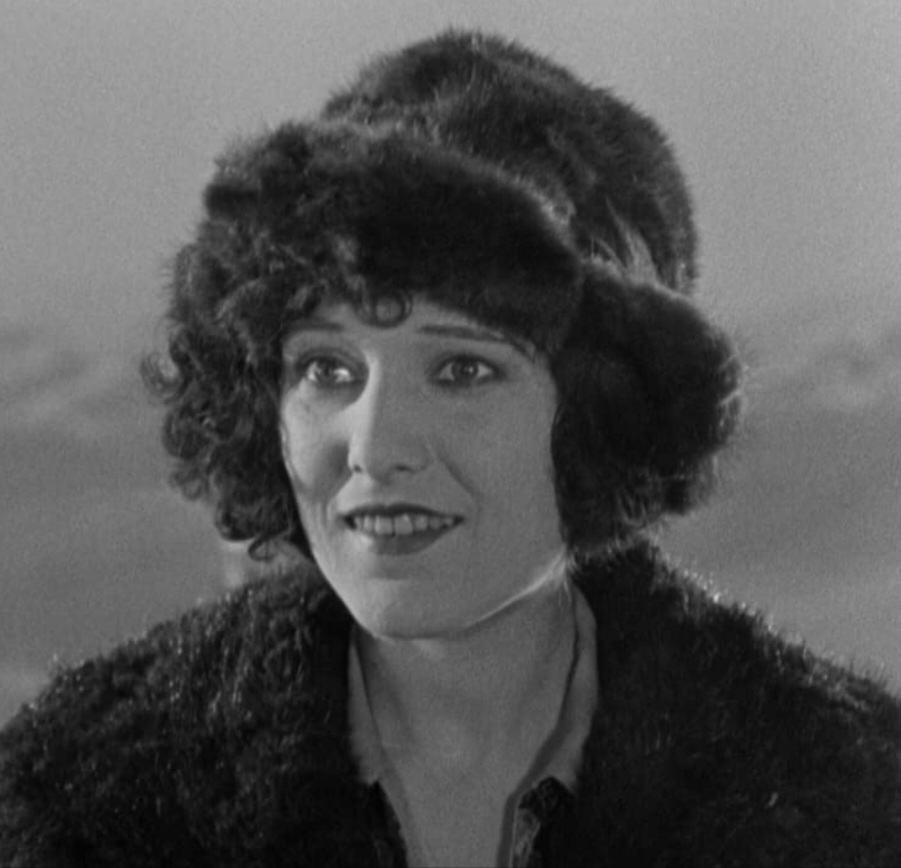
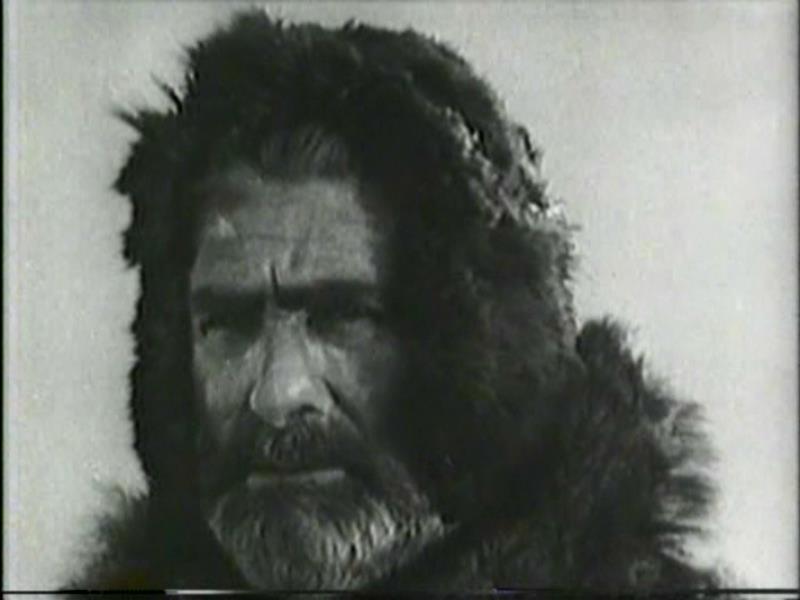
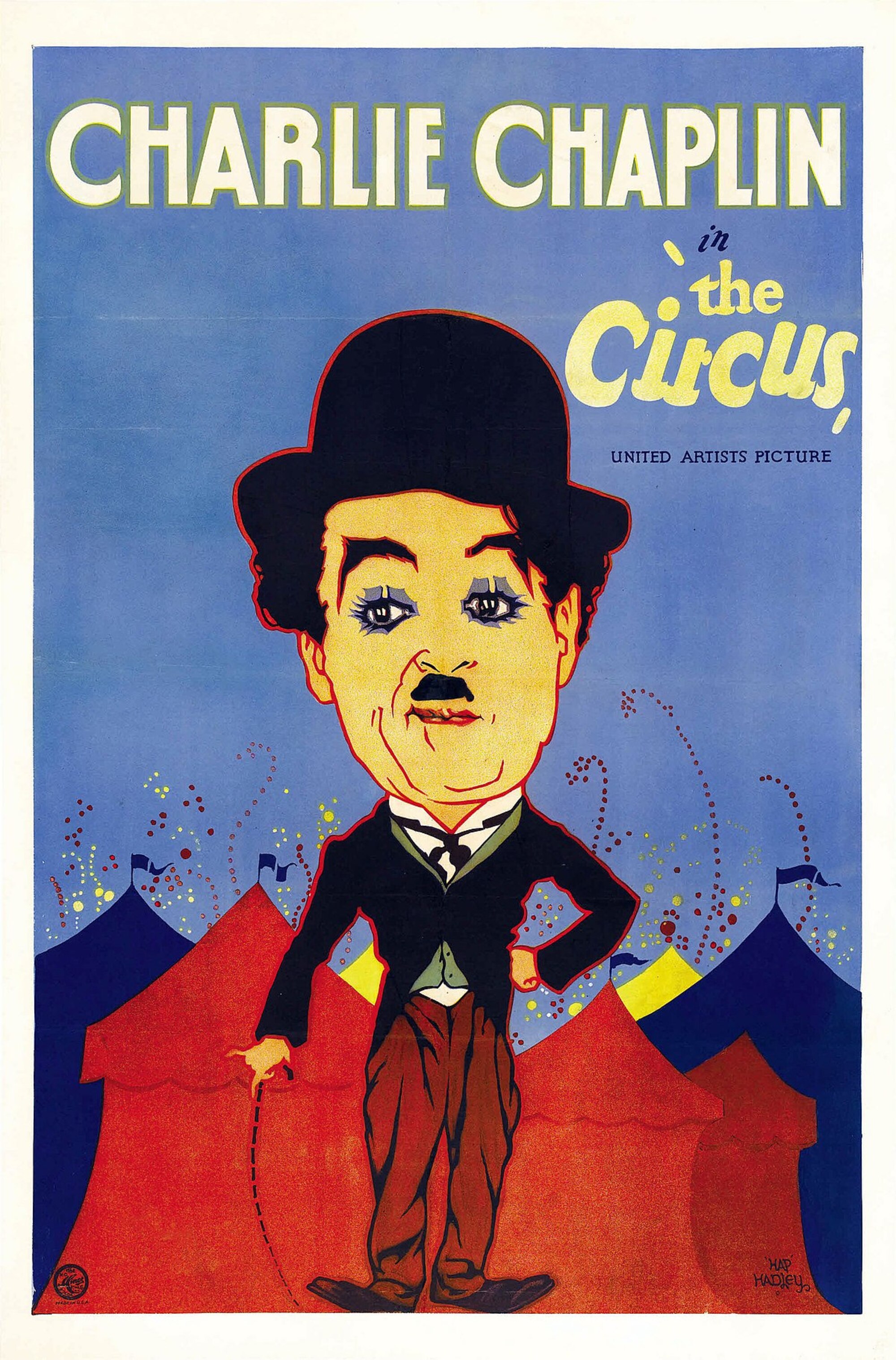
The Gold Rush (1925) is one of Charlie Chaplin's most iconic and enduring films, blending adventure, comedy, and heartwarming moments in a way that has made it one of the greatest silent comedies in film history. Often cited alongside Buster Keaton's The General as one of the best films of the silent era, The Gold Rush captures Chaplin's genius in physical comedy while also showcasing his ability to weave deep emotional moments into a seemingly simple story. In the film, Chaplin's beloved character, the Little Tramp, embarks on an adventurous journey to the Alaskan gold fields during the Klondike Gold Rush of 1898. Amidst a snowstorm, he finds himself in an isolated cabin with two other men—Big Jim McKay (Mack Swain), an aspiring prospector, and the villainous Black Larsen (Tom Murray). Through a series of humorous and often dangerous situations, the Tramp navigates hunger, cold, and his desire for love while discovering the true value of friendship and perseverance. The Little Tramp’s Struggles and Surprising Survival The story of The Gold Rush is an exploration of survival against impossible odds, with Chaplin’s Little Tramp finding himself in a series of increasingly absurd situations. After being stranded with Big Jim and Black Larsen, the Tramp’s struggle to survive becomes central to the film's comedy. They are forced to endure hunger, and in one iconic scene, Chaplin famously eats his own boot to stave off starvation. This scene, which is both comical and heartbreaking, captures Chaplin’s ability to mix slapstick with poignant moments of human struggle. The humor in The Gold Rush arises from the Tramp’s unique ability to survive, even thrive, in the most absurd circumstances. Whether it’s his hilarious attempts to make himself a meal out of a shoe or his comically futile interactions with Big Jim and Larsen, Chaplin’s physicality and mastery of timing are on full display. The film’s gags, which include the Tramp dancing with bread rolls (one of Chaplin’s most famous visual routines), have become iconic moments in film history. A Story of Love, Misunderstanding, and Redemption While The Gold Rush is filled with comedic sequences, it also explores themes of love and human connection. The Tramp’s unrequited love for Georgia (Georgia Hale), a dancer from a local saloon, provides an emotional throughline in the film. When Georgia mistakenly chooses the Tramp as a partner to make one of her suitors jealous, he is ecstatic, but the dance turns out to be a fleeting, one-sided romance. The Tramp’s hopes for a New Year’s celebration with Georgia are dashed when she forgets about their plans. The tragic comedy of the Tramp waiting in his humble home, expecting her arrival, creates a sense of emotional depth within the film. Chaplin masterfully balances the slapstick with the Tramp’s quiet moments of longing and disappointment, showing that even in the most comedic of situations, he can elicit genuine empathy from the audience. As the story unfolds, the Tramp’s fortunes change when he and Big Jim recover the gold hidden by Black Larsen, and the Tramp finally gains the wealth and recognition that eluded him. In a final twist of fate, the Tramp and Georgia are reunited, but not before a misunderstanding causes the Tramp to dress as a beggar once again, keeping his humility despite his newfound wealth. Groundbreaking Filmmaking and Iconic Moments Chaplin's direction in The Gold Rush is a masterclass in visual storytelling, and the film contains some of the most iconic moments in cinema history. The film’s most famous gag—the Tramp eating his boot—perfectly illustrates Chaplin’s combination of absurdity and pathos. Additionally, Chaplin's inventive and meticulous use of physical comedy, including the “Dance of the Rolls” scene, showcases his ability to create visual humor that transcends language and is universally understood. The film also employs innovative filmmaking techniques for its time, such as using location shots and creating a sense of realism in the harsh, snowy Alaskan landscape. These technical achievements, combined with Chaplin’s precise choreography of the comedy and his ability to blend slapstick with emotional moments, set The Gold Rush apart as one of the defining films of the silent era. A Challenging Production and Commercial Success The production of The Gold Rush was difficult, with Chaplin facing numerous obstacles, including a fire at the studio and personal issues that delayed filming. Despite these challenges, the film was released to critical acclaim and quickly became one of Chaplin’s highest-grossing films, earning over $3.8 million in 1928. The film’s success solidified Chaplin’s place as one of the greatest filmmakers and performers of the silent era, and it remains one of his most important works. Legacy and Recognition Though The Gold Rush was initially met with mixed reviews, it has since become one of the most celebrated films in cinematic history. In 1991, The Gold Rush was selected for preservation in the United States National Film Registry by the Library of Congress for being “culturally, historically, or aesthetically significant.” The film’s blend of comedy, pathos, and innovation ensures its lasting impact on film history. The film’s recognition in 2000 by the American Film Institute, when it was ranked #62 in the AFI’s 100 Years... 100 Laughs list, further cemented its status as one of the greatest American films. Today, it continues to be revered by film critics, historians, and audiences alike for its timeless humor and its contribution to the art of filmmaking. Conclusion: A Timeless Masterpiece of Silent Comedy The Gold Rush (1925) is a quintessential example of Charlie Chaplin’s brilliance as both a performer and a filmmaker. Through his iconic portrayal of the Little Tramp, Chaplin combines slapstick humor with moments of emotional depth, creating a film that remains a touchstone of silent cinema. Its memorable gags, heartwarming romance, and pioneering filmmaking techniques ensure that The Gold Rush endures as one of the greatest films of all time. For fans of silent cinema, physical comedy, or anyone interested in the legacy of Charlie Chaplin, The Gold Rush is an essential viewing experience. It remains a perfect example of Chaplin’s ability to entertain, inspire, and evoke empathy-all while maintaining the timeless appeal of his iconic Little Tramp character.