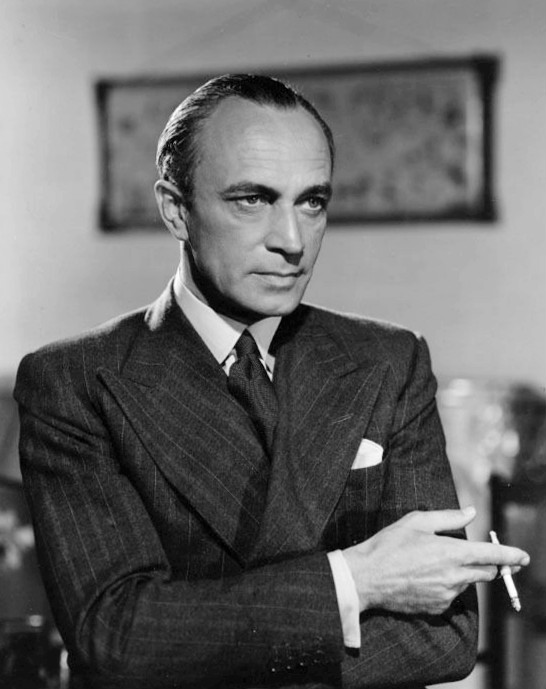
The Man Who Laughs (1928), directed by Paul Leni, is a haunting, romantic drama that bridges the gap between silent and sound cinema, making a lasting impact on the history of film. Adapted from Victor Hugo's 1869 novel of the same name, the film is an evocative blend of melodrama, romance, and horror, marked by striking visual aesthetics influenced by German Expressionism. Despite the absence of audible dialogue, the film features a synchronized musical score and sound effects, showcasing one of Universal Pictures' early experiments with the Movietone sound system. Set in the late 17th century, the film tells the tragic story of Gwynplaine (Conrad Veidt), a man left with a grotesque, permanent grin after being disfigured in childhood, and his doomed love for the blind Dea (Mary Philbin). The story's dark themes and unsettling imagery have led to its classification as a horror film, with Gwynplaine’s infamous grin becoming one of cinema’s most iconic and disturbing features. The Man Who Laughs is an extraordinary cinematic experience, blending stylistic elements of expressionism with early sound technology. A Gripping Performance and Unforgettable Imagery At the heart of The Man Who Laughs lies the compelling performance of Conrad Veidt as Gwynplaine. His portrayal of a man condemned to wear a permanent smile due to a childhood mutilation is both heart-wrenching and chilling. Veidt’s ability to convey the character's torment and longing without spoken words is a testament to his mastery as a silent film actor. His exaggerated expressions, often obscured by the grotesque grin, convey his inner struggle, making him one of the most memorable characters in silent cinema. Mary Philbin, playing the blind Dea, is the perfect contrast to Gwynplaine’s tortured soul. Her ethereal beauty and innocence evoke sympathy and tenderness, and her blind devotion to Gwynplaine adds a layer of tragedy to the narrative. Together, Veidt and Philbin craft a poignant love story set against a backdrop of dark and eerie visuals, making the film emotionally resonant despite its grotesque premise. A Transition from Silent to Sound Cinema The Man Who Laughs is also significant for its innovative use of sound in the transition from silent films to the advent of synchronized sound. While the film itself lacks spoken dialogue, it was one of the earliest Universal Pictures productions to incorporate synchronized sound effects and a musical score. The Movietone sound system, introduced by William Fox, was used to synchronize the music and sound effects, giving the film an added dimension of realism that had been absent in silent cinema. The musical score, which includes the hauntingly beautiful song "When Love Comes Stealing," enhances the emotional weight of the film and underscores its dark themes. This integration of sound into the film’s atmosphere not only made it a technical achievement but also helped establish The Man Who Laughs as one of the pioneering films of early sound cinema. Its influence is felt in the way future filmmakers would blend visual and auditory storytelling, setting the stage for the full embrace of sound in cinema during the coming years. Cultural and Historical Impact Although initially not a commercial success, The Man Who Laughs has endured as a cult classic, particularly due to its connection to horror and gothic cinema. Film critic Roger Ebert described it as "a melodrama, at times even a swashbuckler, but so steeped in expressionist gloom that it plays like a horror film," which is an apt description of the movie's unique atmosphere. The disfigured face of Gwynplaine has since become a symbol of horror and pathos, influencing later films and becoming a prominent image in pop culture. The film’s transition into the public domain in 2024 has allowed it to be rediscovered by modern audiences, cementing its status as a significant work in the history of early American cinema. Its legacy lives on in its thematic exploration of physical deformity, love, and societal rejection, making it a precursor to the more contemporary treatments of similar themes in both horror and romantic dramas. Conclusion: A Masterpiece of Early Cinema The Man Who Laughs remains one of the most visually striking and thematically powerful films of the silent and early sound eras. Its portrayal of a disfigured man’s tragic love for a blind woman, set against the dark and expressive imagery of German Expressionism, makes it a standout entry in the history of cinema. Conrad Veidt’s unforgettable performance and the film’s groundbreaking use of synchronized sound ensure that it continues to captivate audiences and inspire filmmakers to this day. For cinephiles and fans of classic horror and melodrama, The Man Who Laughs is an essential viewing experience. Its emotional depth, stunning visuals, and groundbreaking technical achievements make it a timeless classic that has earned its place in the annals of film history.


_poster_off-67db2e4aeea32.jpg)