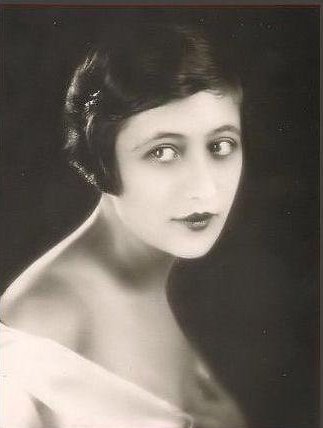
The Passion of Joan of Arc (French: La Passion de Jeanne d'Arc) is widely regarded as one of the greatest films ever made, praised for its remarkable cinematography, Carl Theodor Dreyer’s visionary direction, and the unparalleled performance of Renée Jeanne Falconetti as Joan of Arc. The film, which dramatizes the trial and execution of the iconic French figure Joan of Arc, is a profound meditation on faith, suffering, and martyrdom. Dreyer, invited to France by Société Générale des Films, meticulously researched Joan of Arc’s trial, studying court transcripts to ensure historical accuracy. The film follows Joan’s final days as a prisoner of war, capturing her trial, interrogation, and eventual execution. The film’s stark portrayal of Joan’s personal torment and her unwavering faith resonated deeply with audiences and continues to be regarded as a milestone in film history. A Groundbreaking Performance by Renée Jeanne Falconetti The film’s most celebrated aspect is the extraordinary performance of Renée Jeanne Falconetti in the role of Joan. Falconetti, a renowned stage actress, delivers a portrayal of Joan that is raw, emotional, and hauntingly powerful. Her performance is often regarded as one of the finest in the history of cinema, with many considering it a peak of silent film acting. Falconetti’s face, framed in extreme close-ups throughout the film, conveys an emotional depth and vulnerability that transcends the lack of dialogue, making Joan’s suffering and strength deeply felt by the viewer. Dreyer’s direction focuses on Falconetti’s expressive face, emphasizing her internal conflict and devotion. The minimalism of her performance, combined with the director's meticulous attention to lighting and camera angles, turns Joan's face into a canvas of raw emotion. Falconetti’s portrayal of Joan is not just a performance; it is an embodiment of the character’s spiritual journey, making her one of the most iconic portrayals in film history. Dreyer’s Cinematic Mastery: Close-ups and Cinematography Carl Theodor Dreyer's The Passion of Joan of Arc is renowned for its innovative use of cinematography, particularly the use of close-ups. Dreyer's decision to shoot the film almost entirely in extreme close-up allows the audience to connect with the characters on an intimate emotional level. The close-ups of Joan’s face, in particular, emphasize the intensity of her inner struggle, her anguish, and her unwavering faith. These shots create a level of emotional intimacy that was unprecedented at the time. Dreyer’s decision to use minimal sets and simple backgrounds, focusing on the actors' faces and their expressions, was revolutionary. The sets were designed to resemble the claustrophobic, oppressive atmosphere of the Rouen prison, where Joan was held. The stark, almost sterile backgrounds contrast sharply with the intensity of the characters' emotions, further emphasizing the spiritual and emotional weight of the story. Dreyer’s lighting design is another critical aspect of the film's visual style. He employed harsh lighting to create sharp contrasts between light and shadow, often casting the actors in an almost grotesque light. This unconventional approach added to the film's sense of isolation, tension, and suffering. The lighting, combined with the extreme close-ups, contributed to the film's emotionally charged atmosphere, setting The Passion of Joan of Arc apart from other films of the time. A Controversial and Edited Release The film’s production was not without its challenges. Despite Dreyer’s devotion to creating an accurate and respectful portrayal of Joan of Arc, the film was met with resistance from French nationalists and the Catholic Church. Many questioned whether a Danish director should be allowed to tell the story of one of France’s most revered historical figures. This controversy was further fueled by Dreyer’s unconventional approach to the material, particularly the stark portrayal of Joan’s trial and execution. The film was also subject to censorship and editing before its release. The Archbishop of Paris and government censors pressured the filmmakers to remove certain scenes that were deemed controversial. Dreyer’s final cut was trimmed, but the film still managed to achieve critical success, with its stark portrayal of Joan’s suffering and spiritual conviction striking a powerful chord with audiences. In 1981, a print of Dreyer's original cut was discovered at a mental institution in Dikemark, Norway, where it had been stored in obscurity. The discovery of this print allowed for the restoration of The Passion of Joan of Arc to its full, unaltered form, and it was re-released to worldwide acclaim. This restoration helped solidify the film’s status as a masterpiece of cinema. Cultural Impact and Legacy The Passion of Joan of Arc is often considered one of the most influential films in the history of cinema. It has been cited as a key precursor to modern cinematic techniques, particularly in its use of close-ups and its emphasis on emotional intensity. Dreyer's visual style, which focused on the actors' faces and used lighting to heighten the emotional impact of the scenes, has influenced generations of filmmakers, including Ingmar Bergman and Carl Theodor Dreyer himself. The film also stands as an early example of the power of cinema to depict religious and historical themes in a way that resonates on a deeply human level. Joan of Arc’s journey in the film is not only a historical recounting but also a spiritual odyssey, and the film’s ability to convey this complexity through visual storytelling is one of its enduring qualities. In 1999, The Passion of Joan of Arc was selected for preservation in the United States National Film Registry by the Library of Congress, recognizing its cultural, historical, and aesthetic significance. The film continues to be widely studied and is often cited as a pivotal work in the development of cinematic language. Conclusion: A Cinematic Masterpiece The Passion of Joan of Arc (1928) is a timeless masterpiece that continues to captivate audiences and filmmakers alike. F.W. Dreyer’s innovative direction, combined with Renée Jeanne Falconetti’s unforgettable performance, has ensured that the film remains a cornerstone of world cinema. Its emotional depth, visual mastery, and exploration of themes such as faith, martyrdom, and suffering make it an essential work for anyone interested in the history of cinema and the portrayal of historical figures on screen. The film’s lasting influence, its groundbreaking cinematography, and its powerful portrayal of Joan of Arc as both a religious and a human figure ensure its place as one of the greatest films ever made. Whether for its historical significance, its artistic merit, or its emotional power, The Passion of Joan of Arc remains a film that continues to inspire and resonate with audiences around the world.

_poster_off-67db2e4aeea32.jpg)