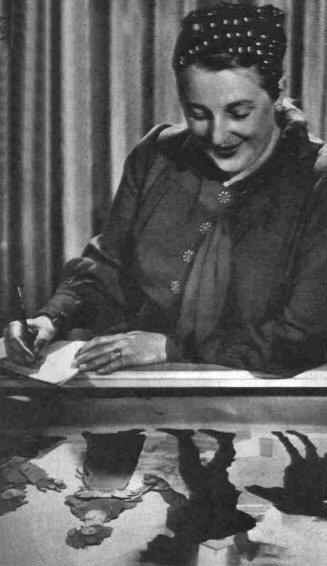
The Adventures of Prince Achmed (1926), directed by Lotte Reiniger, is not only a groundbreaking work in animation but also holds the distinction of being the oldest surviving animated feature film. Made using a unique silhouette animation technique developed by Reiniger, the film tells an enchanting and fantastical tale inspired by elements from the One Thousand and One Nights. Combining intricate storytelling, innovative animation techniques, and stunning visual artistry, The Adventures of Prince Achmed remains a landmark in the history of cinema and animation. The film, produced in Germany, features a distinct shadow puppet style in which characters are brought to life through frame-by-frame animation of cutouts made from cardboard and thin sheets of lead. Reiniger’s technique, which mirrors the traditional Wayang shadow puppetry of Indonesia, was a revolutionary development in the world of animation and paved the way for future innovations in the medium. A Story of Magic, Adventure, and Romance The narrative of The Adventures of Prince Achmed is a whimsical and thrilling journey inspired by several stories from the One Thousand and One Nights, including "Aladdin," "The Story of Prince Ahmed and the Fairy Perī-Bānū," and "The Ebony Horse." The film follows Prince Achmed, a young man who embarks on a magical adventure after being tricked by an evil sorcerer. Along the way, he encounters mythical creatures, battles monsters, and falls in love with the beautiful fairy Perī-Bānū. The film’s plot is filled with romance, action, and magic, weaving together themes of heroism, love, and destiny. Through his journey, Prince Achmed learns valuable lessons about courage and the importance of following his heart, culminating in a final triumph over evil and a reunion with his true love. The narrative, while simple, is elevated by Reiniger’s masterful use of animation, where every movement and gesture is carefully crafted to convey emotion and action. The film’s pacing allows the fantastical elements of the story to unfold gracefully, enhancing its sense of wonder and magic. A Revolutionary Animation Technique One of the defining features of The Adventures of Prince Achmed is the innovative silhouette animation technique that Lotte Reiniger pioneered. She used cut-out figures made from cardboard and thin sheets of lead, manipulating them frame by frame under a camera. This technique was a significant departure from traditional hand-drawn animation and gave the film its unique and striking visual style. Reiniger’s method of animation was inspired by Wayang shadow puppetry, an art form that dates back to Indonesia, but she introduced the novel aspect of animating the puppets in frame-by-frame motion. This allowed for greater expressiveness and fluidity in the movement of the characters, creating a sense of life and vitality within the shadows. The use of silhouette figures also gave the film a dreamlike, ethereal quality, which perfectly matched the magical themes of the story. In addition to the silhouette animation, Reiniger utilized an early form of a multiplane camera, which allowed for the creation of depth and dimensionality in the film’s scenes, another pioneering technique that would become a staple in animation production. The film was also originally tinted with colors, further enhancing its visual appeal. Collaborative Artistic Achievement The creation of The Adventures of Prince Achmed was a collaborative effort that brought together several prominent avant-garde animators of the time. Notably, Reiniger worked alongside Walter Ruttmann, Berthold Bartosch, and Carl Koch, whose contributions helped bring the film to life. The involvement of these talented animators ensured that the film maintained a high level of artistic quality, blending both technical innovation and creative storytelling. Reiniger’s film was a rare feat in the world of early cinema and animation, as it demonstrated a combination of visionary technique and artistic expression that would go on to influence generations of animators and filmmakers. The film’s distinctive style and its exploration of new ways of storytelling through animation would inspire future pioneers in the medium. Cultural and Historical Impact Upon its release, The Adventures of Prince Achmed was not only a groundbreaking work of animation but also an important cultural artifact that showcased the potential of animation as a serious art form. Despite its technical innovations and artistic merits, the film initially struggled to find wide commercial success. However, over time, its reputation grew, and it has since been recognized as one of the most significant achievements in early cinema. In 1996, The Adventures of Prince Achmed was selected for preservation in the United States National Film Registry by the Library of Congress, acknowledging its cultural, historical, and aesthetic significance. The film’s influence is still felt today, with animators and filmmakers looking to Reiniger’s work as a key inspiration in the development of modern animation techniques. Legacy and Influence on Animation The Adventures of Prince Achmed is considered a cornerstone in the history of animation, particularly for its innovative use of silhouette animation. Its impact can be seen in many subsequent works of animation, both in the use of shadow figures and in the experimental nature of the storytelling. Reiniger’s pioneering techniques, alongside the artistry of the film’s design and animation, ensured that The Adventures of Prince Achmed would influence generations of animators, both in Europe and internationally. The film also helped to draw attention to the artistic merit of German cinema and animated works, and its visual style has been cited as an important precursor to later animated films, especially those that utilized silhouette imagery or fantasy storytelling. The Adventures of Prince Achmed remains a crucial reference point in the study of early animation and experimental cinema. Conclusion: A Timeless Animation Masterpiece The Adventures of Prince Achmed (1926) stands as a monumental achievement in the history of animation and cinema. Lotte Reiniger’s groundbreaking use of silhouette animation and her innovative techniques laid the foundation for modern animation and remain a source of inspiration for filmmakers and animators to this day. The film’s captivating storytelling, rich visuals, and pioneering animation techniques make it a timeless classic that continues to influence the art of animation. For fans of animation history, fantasy cinema, and experimental filmmaking, The Adventures of Prince Achmed is an essential film. Its artistic beauty, historical significance, and lasting impact on the world of animation ensure that it remains a landmark achievement in cinematic history.