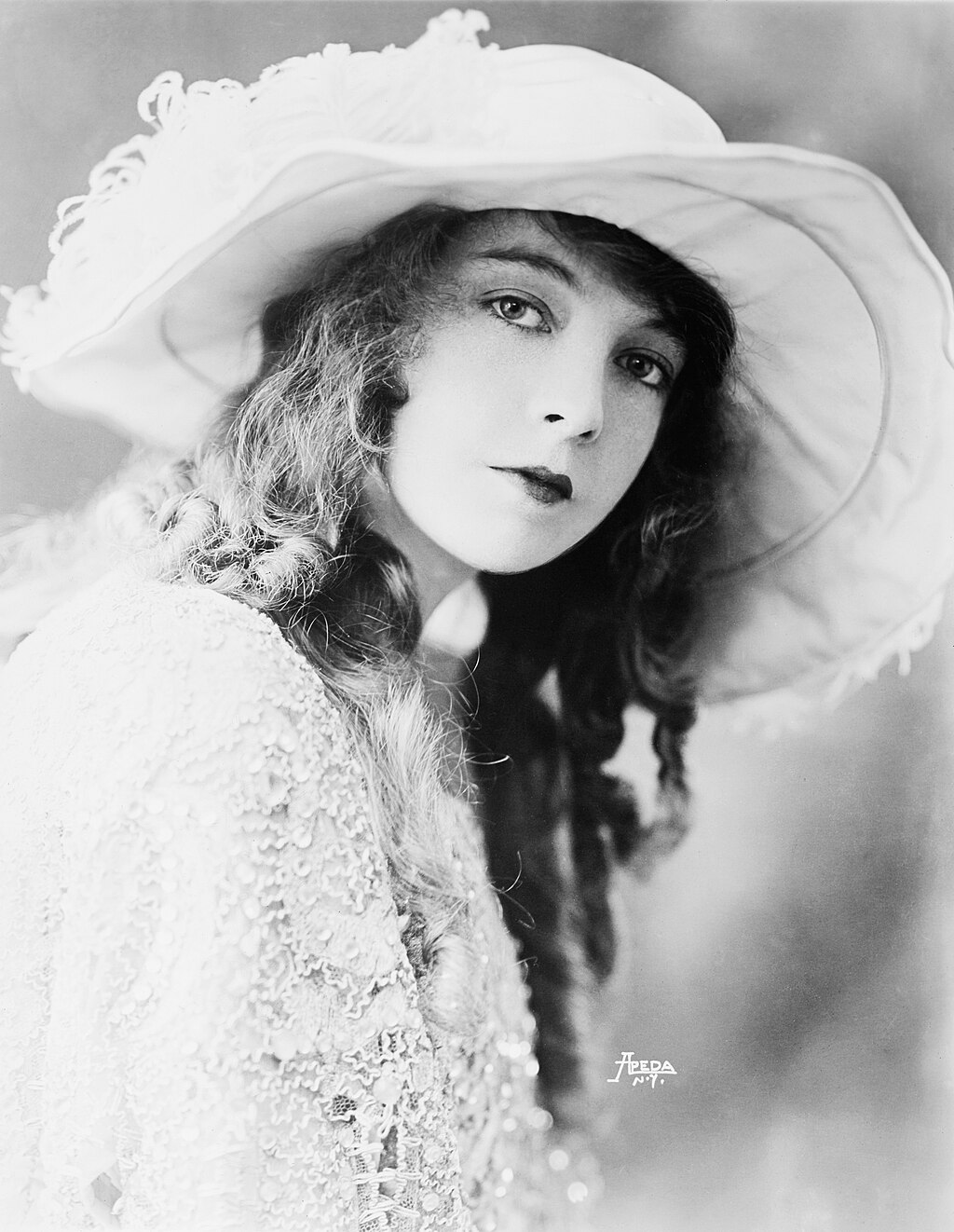
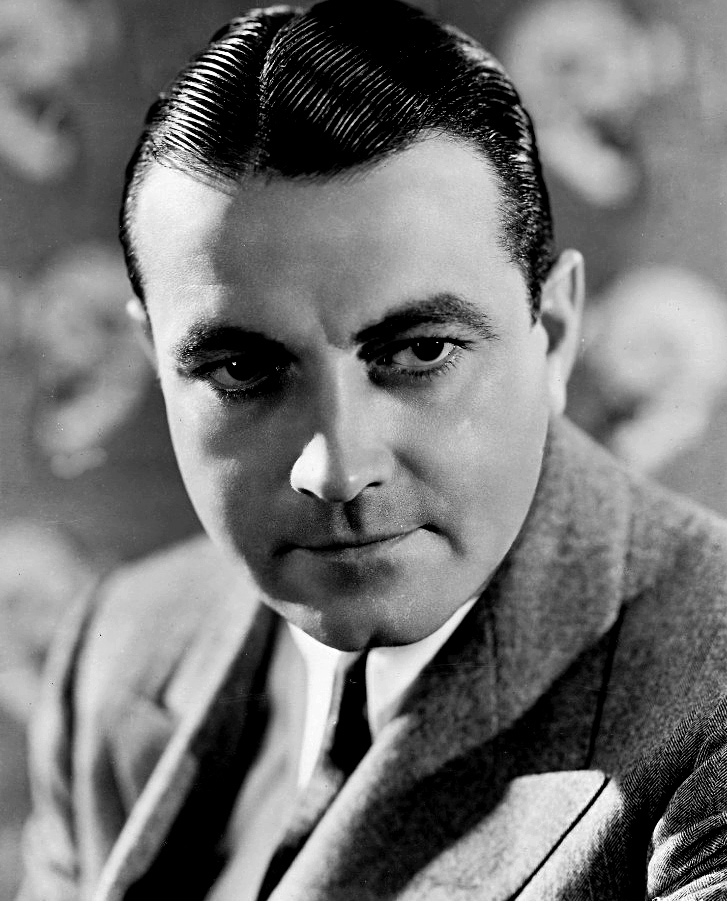
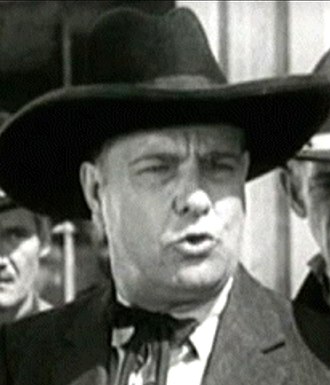
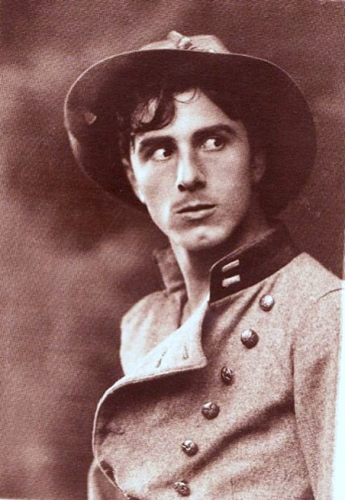
Broken Blossoms, also known as The Yellow Man and the Girl, is a 1919 American silent melodrama film directed by D. W. Griffith. Distributed by United Artists, it premiered on May 13, 1919. The film stars Lillian Gish, Richard Barthelmess, and Donald Crisp. It tells the story of Lucy Burrows, a young girl abused by her alcoholic prizefighting father, Battling Burrows, who finds solace and compassion in Cheng Huan, a gentle and kind-hearted Chinese man who falls in love with her. Plot and Themes Set in the impoverished Limehouse district of London, Broken Blossoms explores themes of abuse, isolation, cross-cultural compassion, and tragic love. Lucy’s harsh life with her father contrasts sharply with the warmth and kindness she experiences from Cheng Huan. The film’s narrative highlights the cruelty of domestic violence and the transformative power of empathy and human connection. Griffith’s direction emphasizes the emotional intensity of the story through close-ups, expressive lighting, and innovative visual storytelling. The film’s pacing and careful framing draw viewers into the characters’ inner worlds, making their experiences deeply affecting. Production and Style Broken Blossoms was the first film distributed by United Artists, marking a significant milestone in film history. The screenplay was adapted from Thomas Burke’s 1916 short story “The Chink and the Child” in the collection Limehouse Nights. Griffith used delicate cinematography and staging to emphasize the contrast between the grim environment of Lucy’s home and the sanctuary represented by Cheng Huan. Lillian Gish’s performance as Lucy is widely celebrated for its subtlety and emotional resonance, showcasing the expressive power of silent film acting. The film’s visual style, combining melodramatic emotion with social realism, influenced future filmmakers and helped establish techniques for silent cinema that remain iconic today. Legacy and Cultural Impact Upon release, Broken Blossoms was recognized as a landmark in silent film for its mature storytelling and innovative use of visual narrative. It has since been preserved in the United States National Film Registry (1996) as “culturally, historically, or aesthetically significant.” Griffith’s approach to sensitive topics such as abuse, racial difference, and compassion resonated with audiences and inspired future cinematic explorations of social issues. The film also cemented Lillian Gish’s status as one of the greatest actresses of the silent era and solidified D. W. Griffith’s reputation as a pioneering director in early cinema. Its themes of empathy, cross-cultural connection, and the tragic cost of societal cruelty continue to make Broken Blossoms a timeless classic.