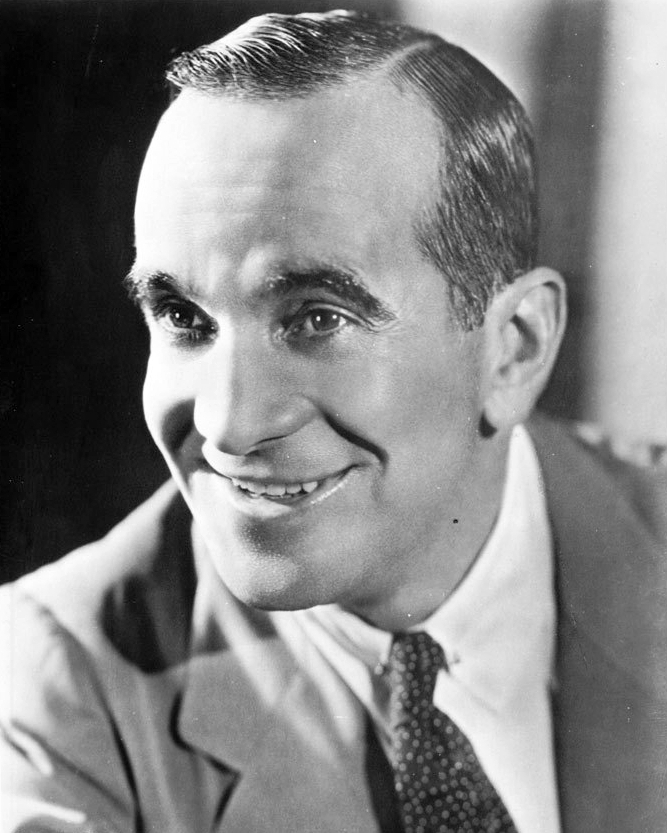
Introduction The Jazz Singer (1927) is a landmark in the history of American cinema, directed by Alan Crosland and produced by Warner Bros. Pictures. It is widely recognized as the first feature-length motion picture to incorporate synchronized recorded music along with lip-synchronous singing and spoken dialogue in select sequences, heralding the commercial rise of sound films and marking the effective end of the silent film era. The film’s innovative use of the Vitaphone sound-on-disc system, featuring six songs performed by Al Jolson, transformed the cinematic landscape, opening the door for a new generation of musical dramas and talkies. Based on Samson Raphaelson’s 1925 play of the same title and adapted from his short story The Day of Atonement, the film blends musical performance, dramatic storytelling, and cultural conflict into a single narrative that captivated audiences across the United States and abroad. Plot and Cultural Themes The story centers on Jakie Rabinowitz, a young man from a devout Jewish family, who struggles to reconcile his personal ambitions with the expectations and traditions of his community. After singing popular songs in a beer garden, Jakie is punished by his father, a hazzan, for defying religious norms. Unable to endure the familial conflict, he runs away from home, reinventing himself as Jack Robin, a talented jazz singer. Jakie’s pursuit of fame leads him into the world of performance, where he adopts blackface as part of his stage persona, a reflection of both theatrical practices of the era and the complex racial dynamics of early 20th-century entertainment. His professional ambitions, however, constantly clash with his family’s values, creating a narrative tension between personal desire and communal duty. The film explores themes of identity, assimilation, generational conflict, and the challenges faced by immigrants striving to balance tradition with modernity. Al Jolson’s dynamic performances of jazz-infused songs add a layer of authenticity and energy, helping to bridge the emotional and cultural gaps between Jakie and his family. Production, Recognition, and Legacy Produced by Darryl F. Zanuck, The Jazz Singer achieved both critical acclaim and commercial success. Zanuck was later awarded an Academy Honorary Award for producing the film, while Alfred A. Cohn received a nomination for Best Writing (Adaptation) at the inaugural Academy Awards. The film’s pioneering integration of synchronized sound and speech had an immediate and profound impact on the film industry, inspiring studios to embrace sound technology and fundamentally altering the production and reception of movies. In 1996, the Library of Congress selected The Jazz Singer for preservation in the United States National Film Registry, deeming it “culturally, historically, or aesthetically significant.” Two years later, in a voting conducted by the American Film Institute, the film was ranked ninety among the greatest American films of all time. Its copyright expired on January 1, 2023, as all works published in the United States in 1927 entered the public domain, ensuring that this foundational work remains widely accessible. While modern audiences may view certain elements of the film, such as the use of blackface, as highly problematic, The Jazz Singer remains a crucial milestone in cinematic history. Its innovation paved the way for the transition from silent films to sound, its performances highlighted the power of music to advance narrative, and its themes of cultural conflict and self-discovery continue to resonate in studies of American cinema and Jewish-American heritage. The film stands as both a testament to technological innovation and a complex cultural artifact, reflecting the opportunities and tensions of its era while continuing to influence filmmakers and historians nearly a century after its release.

_poster_off-67db2e4aeea32.jpg)