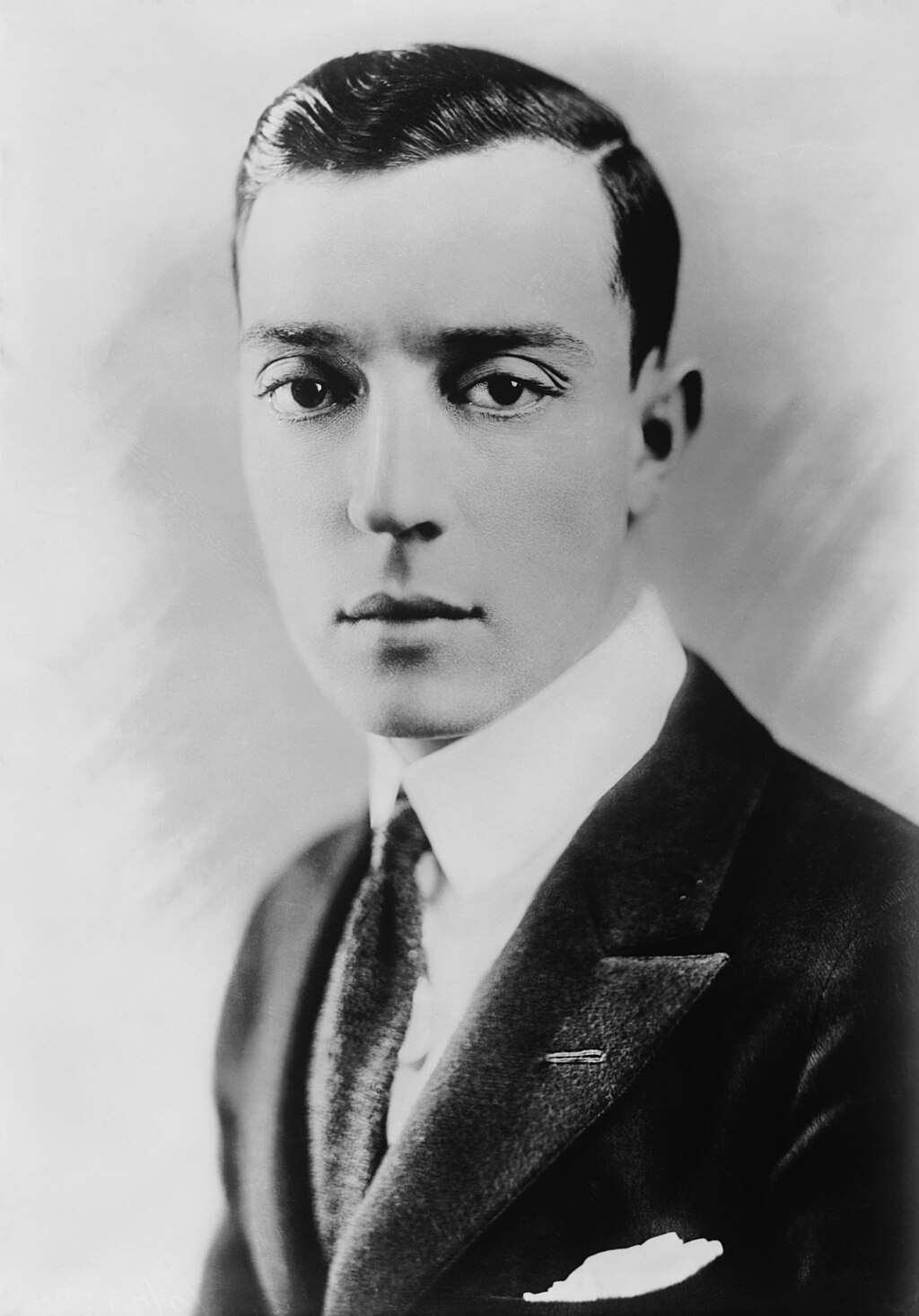
One Week (1920) is a pivotal work in the career of Buster Keaton, representing both his first independent production and a major leap forward in silent film comedy. Clocking in at just 19 minutes, the two-reel short film is a whirlwind of visual gags, physical comedy, and inventive set pieces that showcase Keaton’s mastery of slapstick humor. Co-directed by Keaton and Edward F. Cline, One Week is a perfect example of Keaton’s early talent, full of innovative tricks and stunts that pushed the boundaries of comedy and filmmaking at the time. In One Week, Keaton plays a newlywed who, as part of his wedding gift, attempts to build a house from a prefabricated kit. The film chronicles his disastrous—and often hilarious—attempts to put the house together, with a series of escalating problems caused by his inexperience, bad luck, and the unpredictable nature of the construction materials. As with many of Keaton’s films, the humor comes not only from the chaotic situations but also from the stunning physicality and timing of the gags. Innovative Visual Gags and Physical Comedy At the heart of One Week is Keaton’s ability to turn a simple, everyday situation into a chaotic comedy of errors. The plot revolves around Keaton’s character attempting to assemble a prefabricated house—a task that quickly turns into a series of absurd mishaps. The visual gags in the film are largely centered around the house and ladders, both of which provide the foundation for the physical humor. One of the most memorable gags involves the house itself, which is constructed with a number of mismatched parts. As Keaton struggles to piece it together, he is constantly thwarted by the structure’s instability and the unpredictability of the materials. The sight of Keaton’s character trying—and failing—to navigate the mismatched components of the house is a perfect example of his genius in visual storytelling. The film also features numerous ladder-based gags, which Keaton uses to create a series of hilarious stunts that require perfect timing and physical agility. Keaton’s skill as a physical comedian is on full display here. The film relies heavily on his ability to perform intricate, often dangerous stunts, all while maintaining his trademark deadpan expression. His use of props and sets to create absurd situations was revolutionary for its time, and One Week stands as a testament to his innovative approach to comedy. A Short Film with Lasting Impact Despite its brief running time, One Week had a lasting impact on the evolution of comedy in cinema. As Keaton’s first independent film production, it marked the beginning of his career as both an actor and a filmmaker. His work in One Week was not just a showcase of his comedic talents but also an early example of his approach to physical comedy and storytelling. Keaton’s ability to take a simple premise and turn it into a chaotic, visually engaging narrative was a hallmark of his style that would be seen throughout his career. In addition to the humor, One Week also demonstrated Keaton’s technical skill as a filmmaker. The film contains several innovative visual effects and camera techniques, including the use of stop-motion animation for some of the more surreal gags. These early experiments with visual effects would lay the groundwork for the more elaborate tricks Keaton would later perfect in his feature films. Recognition and Preservation While One Week was not a major commercial success when it was first released, its importance in the history of film has only grown over time. In 2008, the film was selected for preservation in the United States National Film Registry by the Library of Congress for being "culturally, historically, or aesthetically significant." This recognition highlights the film’s role in the development of cinema, particularly in the comedy genre, and cements its place as a key work in the history of early filmmaking. Legacy and Influence One Week remains one of the most beloved films in Buster Keaton’s extensive catalog of silent comedies. Its influence can be seen in the work of countless filmmakers who have followed in Keaton’s footsteps, especially in the realm of physical comedy and visual storytelling. The film’s innovative approach to gags, its reliance on precise physical timing, and its ability to turn a simple idea into a riotous comedy are qualities that have made One Week a timeless classic. Keaton’s groundbreaking use of props, sets, and his own physical abilities to create humor was revolutionary, and One Week remains a vital part of the silent film era. The film’s relatively short length does not diminish its importance—every frame is packed with meticulously crafted gags that showcase Keaton’s talent as both a director and a performer. Conclusion: A Must-Watch for Comedy Fans and Film Enthusiasts One Week (1920) is a cornerstone of Buster Keaton’s filmography and an essential piece of cinematic history. With its inventive gags, flawless timing, and Keaton’s unmatched physical comedy, the film has become a classic of silent cinema. Its impact on the comedy genre and on film as a whole cannot be overstated. For fans of classic comedy, silent films, or anyone interested in the roots of modern physical humor, One Week is a must-see. It stands as a perfect example of Keaton’s genius and continues to entertain and inspire audiences nearly a century after its release.