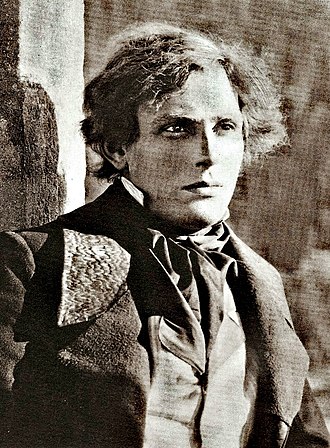
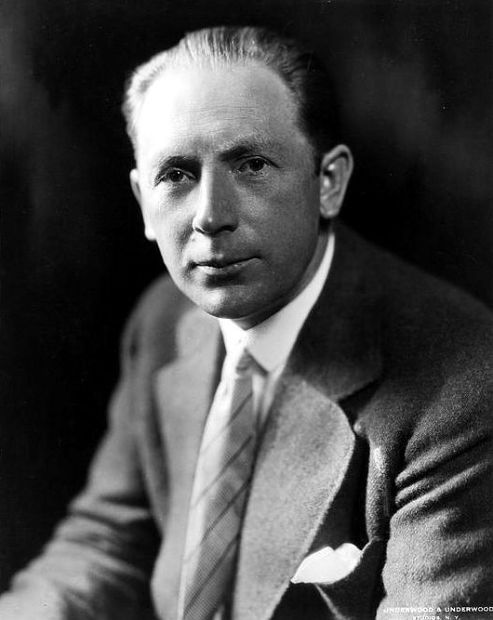
Nosferatu: A Symphony of Horror (1922) is one of the most influential and groundbreaking films in the history of cinema. Directed by F.W. Murnau, this silent German Expressionist horror film introduced audiences to the iconic character of Count Orlok, a monstrous vampire who preys on the innocent. Loosely based on Bram Stoker’s 1897 novel Dracula, Nosferatu is a pioneering work that helped shape the horror genre and set the stage for countless vampire films that followed. Despite its unauthorized adaptation of Dracula, Nosferatu has survived as one of the most celebrated films of the silent era. Its innovative cinematography, eerie atmosphere, and haunting performances, particularly by Max Schreck as Count Orlok, have cemented its place in film history. Today, Nosferatu is widely regarded as a masterpiece, influencing both the horror genre and the development of cinema as a whole. The Story: A Tale of Vampirism and Plague Nosferatu follows the story of a young estate agent, Hutter (played by Gustav von Wangenheim), who is sent to the remote Carpathian Mountains to conduct business with a reclusive nobleman, Count Orlok. Upon arriving at Orlok’s castle, Hutter discovers that his new employer is a vampire who plans to move to the nearby town, bringing with him death and disease. As Orlok begins his journey to the town, Hutter’s wife, Ellen (Greta Schröder), becomes increasingly aware of Orlok’s sinister intentions. She soon learns that she is the vampire’s intended victim, and the only way to stop Orlok is for her to sacrifice herself. The film builds to its dramatic and terrifying climax, where the vampire’s deadly influence brings a plague to the town, and only Ellen’s ultimate act of bravery can end Orlok’s reign of terror. While the film’s plot closely mirrors that of Stoker’s Dracula, the names and certain elements of the story were altered to avoid copyright infringement, with Count Dracula being renamed Count Orlok. Despite these changes, the film clearly draws from the novel’s central themes of fear, seduction, and the battle between good and evil. Nosferatu takes a more immediate and personal approach by setting the story in a German context, making it more relatable to contemporary German-speaking audiences. Max Schreck’s Iconic Performance as Count Orlok One of the most memorable aspects of Nosferatu is Max Schreck’s portrayal of Count Orlok. Schreck’s performance is legendary for its unsettling, grotesque qualities. Orlok is depicted as a shadowy, nightmarish figure with exaggerated features—his long fingers, sharp teeth, and hunched posture create an image of terror that is unlike any other vampire seen before or since. Schreck’s physicality and his eerie presence contribute to the film’s deeply unsettling atmosphere. Schreck’s portrayal of Orlok has since become a defining image of horror in cinema. The character’s appearance, particularly his insect-like movements, set a template for the monstrous vampire figure in subsequent films, distinguishing Orlok from the more charismatic and seductive vampires that would later become popular in the genre. German Expressionism: Cinematic Innovation and Atmosphere Nosferatu is a prime example of German Expressionist cinema, a movement that sought to depict subjective emotions and distorted realities. The film’s visual style is characterized by exaggerated sets, sharp lighting contrasts, and eerie shadows—all of which contribute to the film’s unsettling atmosphere. The distorted and jagged architecture, particularly in scenes set in Orlok’s castle, adds to the sense of disorientation and dread, reflecting the inner turmoil and fear of the characters. Murnau’s use of light and shadow is also a defining feature of the film. The eerie play of light, especially in scenes involving Orlok, heightens the supernatural and nightmarish qualities of the vampire. The use of shadows, combined with Schreck’s physical performance, creates an atmosphere of dread that permeates the entire film. These stylistic choices were revolutionary for the time and became a hallmark of the horror genre. The film also employs innovative camera techniques, such as slow zooms and carefully choreographed shots, to build tension and convey the growing danger of Orlok’s presence. Murnau’s attention to detail in both the cinematography and the use of space helps to create a sense of claustrophobia and impending doom. Legal Disputes and Survival Nosferatu was initially released without permission from Bram Stoker’s estate, and the film’s creators faced a lawsuit for copyright infringement. As a result, the court ordered that all copies of the film be destroyed. However, several prints of the film survived, often through accidental preservation, and Nosferatu was rediscovered in the 1920s and 1930s. Over time, the film’s significance became increasingly recognized, and it became a cornerstone of the horror genre. The legal issues surrounding Nosferatu have since become part of its fascinating history. The film’s unauthorized nature and its subsequent survival give it a sense of rebellion and resilience, adding to its mystique and cultural value. Legacy and Cultural Impact Nosferatu has endured as one of the most influential films in the horror genre. Its portrayal of the vampire as a monstrous, otherworldly creature helped to redefine the archetype for future generations. The film’s haunting imagery, particularly Orlok’s terrifying appearance, continues to be a defining image of horror in popular culture. Critics and historians have long recognized Nosferatu as a film that set the template for the modern horror genre. Its atmosphere, pacing, and use of visual effects influenced countless filmmakers, including those working in both the horror and fantasy genres. The film’s lasting impact can be seen in later vampire films, such as Nosferatu the Vampyre (1979) by Werner Herzog, which pays homage to the original while updating its themes and visual style. In 1999, Nosferatu was selected for preservation in the United States National Film Registry by the Library of Congress for its cultural, historical, and aesthetic significance. Its influence on cinema is immeasurable, and it continues to be regarded as one of the greatest films ever made. Conclusion: A Masterpiece of Horror Cinema Nosferatu: A Symphony of Horror (1922) is not just a pivotal film in the history of the horror genre; it is a cinematic masterpiece that continues to captivate audiences more than a century after its release. F.W. Murnau’s innovative direction, Max Schreck’s haunting performance as Count Orlok, and the film’s expressionist visual style have cemented Nosferatu as one of the most important films in the history of cinema. For anyone interested in the origins of horror cinema, Nosferatu is an essential film. Its dark, eerie atmosphere, groundbreaking visuals, and lasting cultural impact ensure that it remains a timeless classic in the genre.
-67d9e5a5171b8.png)