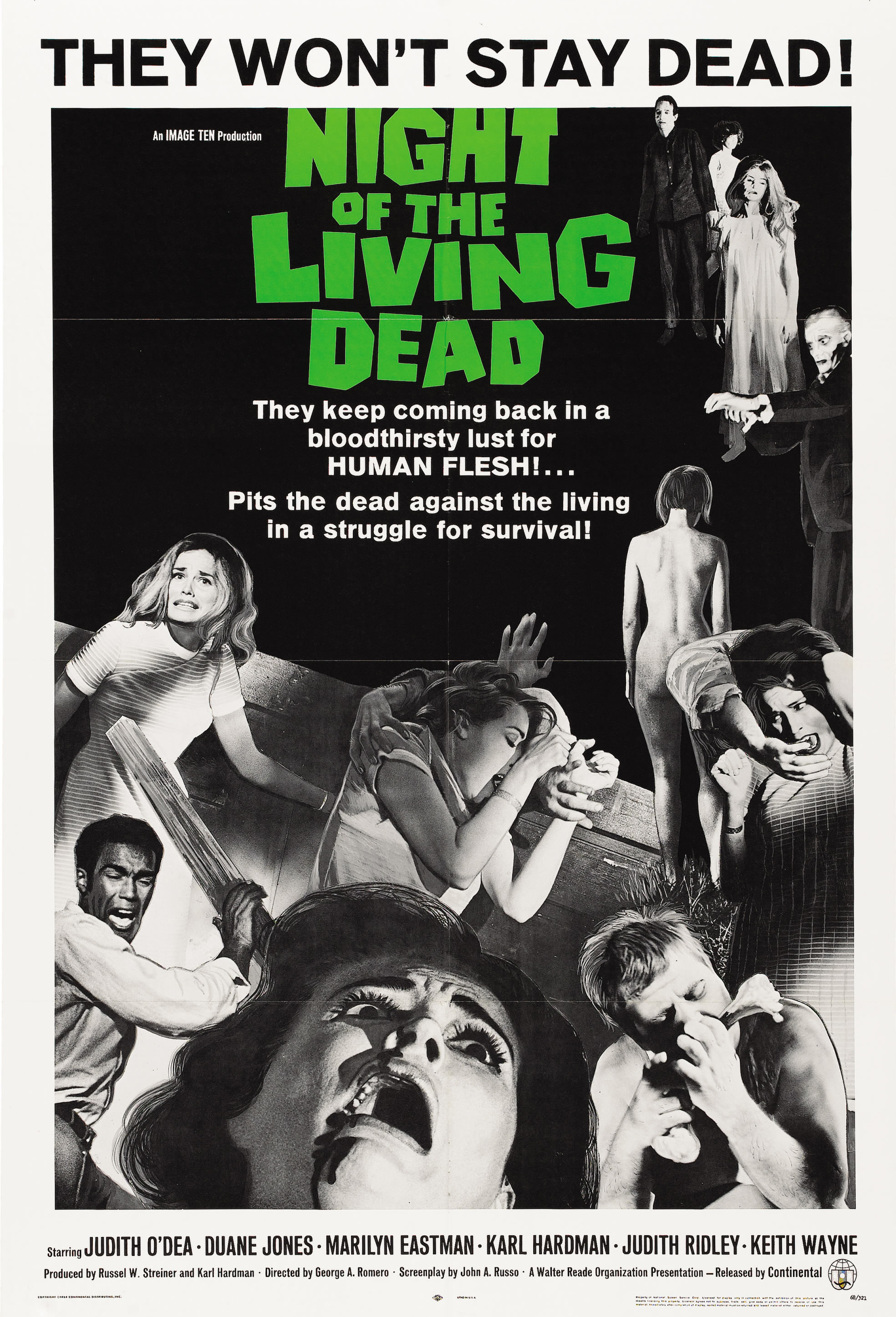
Revolt of the Zombies (1936) is an early entry into the zombie genre, directed by Victor Halperin and produced by his brother, Edward Halperin. While not as widely celebrated as Halperin’s previous work, White Zombie (1932), Revolt of the Zombies remains notable as one of the earliest American films to feature the concept of zombification and a rising army of undead. Although it was initially conceived as a loose sequel to White Zombie, a legal dispute prevented the film from marketing itself as such, and it was instead presented as a standalone story. The film follows a similar premise to White Zombie, where the dead are reanimated by mystical powers, but Revolt of the Zombies takes the narrative a step further, exploring the consequences of this zombification on a larger scale. While Revolt lacks the acclaim and lasting impact of White Zombie, it is an important artifact in the history of horror cinema, offering an early glimpse at themes that would later dominate the zombie genre. A Plot Rooted in Mysticism and Control Set in French-controlled Cambodia, Revolt of the Zombies opens with a story that combines the occult, mysticism, and the threat of an army of zombies. The plot revolves around the discovery of an ancient temple where a secret cult practices the dark art of reanimating the dead. The main characters—led by the archeologist Dr. Richard Beecham (played by Dean Jagger)—attempt to uncover the mystery behind this zombie army. As the plot unfolds, the dead are reanimated and turned into mindless slaves under the control of a cult leader, who uses them to do his bidding. However, the plot takes an unexpected turn when the zombies begin to revolt against their masters. The film is filled with the typical occult and voodoo-inspired themes seen in early zombie films, with its narrative centered around the dangers of tampering with forces beyond human control. The story delves into the moral and ethical consequences of zombification, as well as the inevitability of rebellion when the oppressed begin to realize their own power. It also touches on the idea of humanity being overthrown by the undead, a theme that would evolve and become central to future zombie films, especially in the 1960s with George A. Romero's Night of the Living Dead (1968). A Lighter Impact Compared to White Zombie While Revolt of the Zombies shares thematic and visual elements with White Zombie, it does not achieve the same level of success or cultural impact. Critics and audiences generally regard Revolt as a disappointment compared to its predecessor. One of the key reasons for this is the film's production values, which are lower than those of White Zombie. Additionally, the plot of Revolt lacks the atmospheric tension and mystery that made White Zombie such a standout in early horror cinema. The film’s pacing also suffers, with long stretches of dialogue and a lack of truly chilling moments. While the reanimated dead provide a sense of horror, the overall execution of the zombies and their rebellion is not as effective as in later zombie films, making Revolt seem more like a precursor than a fully realized entry in the genre. Bela Lugosi’s Uncredited Cameo and Influence While Bela Lugosi’s name does not appear in the credits of Revolt of the Zombies, his influence can still be seen in the film. The iconic image of Lugosi’s eyes is used whenever the zombifying powers are activated, and it’s the same image used in White Zombie. This subtle connection to Lugosi, who had become a horror icon after Dracula (1931), lends Revolt a sense of continuity with earlier horror films but also highlights the film's somewhat derivative nature. Lugosi’s presence, even in this uncredited form, underscores Revolt's connection to the voodoo and occult themes that were prevalent in earlier zombie films. His involvement, even in a minimal way, adds a sense of continuity to the film and speaks to his status as one of the leading figures in early horror cinema. Legacy and Historical Significance While Revolt of the Zombies was not well-received at the time of its release and is generally regarded as a lesser film compared to White Zombie, it remains a historically significant entry in the evolution of the zombie genre. Its portrayal of the undead as mind-controlled, reanimated workers has become a recurring motif in zombie films, foreshadowing later films that would explore the concept of zombies as a metaphor for societal or political control. In the broader context of horror films, Revolt of the Zombies is an important early example of the ways in which filmmakers attempted to blend supernatural horror with social commentary. The themes of control, rebellion, and the corrupting influence of power are all central to the narrative and set the stage for the deeper explorations of zombie mythology in later decades. Conclusion: An Important, If Flawed, Early Zombie Film Revolt of the Zombies (1936) may not be remembered as one of the greatest films in the horror genre, but it occupies an important place in the history of zombie cinema. Directed by Victor Halperin, the film is an early exploration of the zombie mythos, drawing from the success of White Zombie and influencing later films in the genre. Though it lacks the polish and tension of its predecessor, Revolt still offers a fascinating glimpse into the early development of the zombie archetype and its potential as a cinematic theme. For fans of early horror films or those interested in the history of the zombie genre, Revolt of the Zombies is a must-see for its historical context and its role in shaping future representations of the undead. Despite its shortcomings, the film remains a notable part of horror cinema's legacy and an interesting artifact from the pre-World War II era.