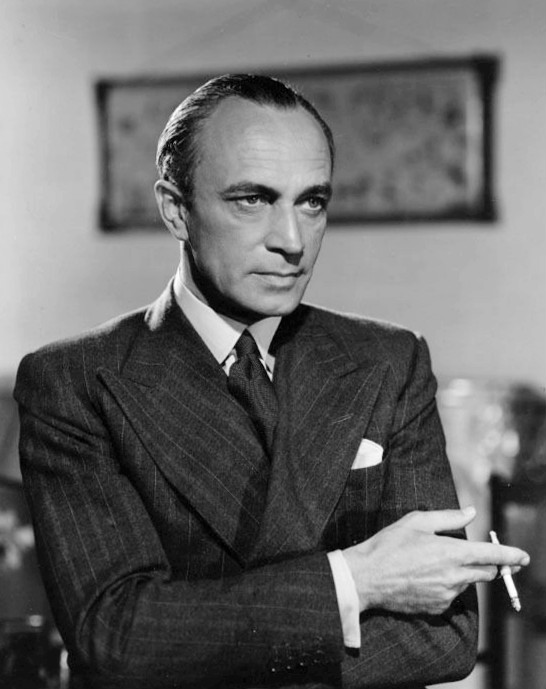
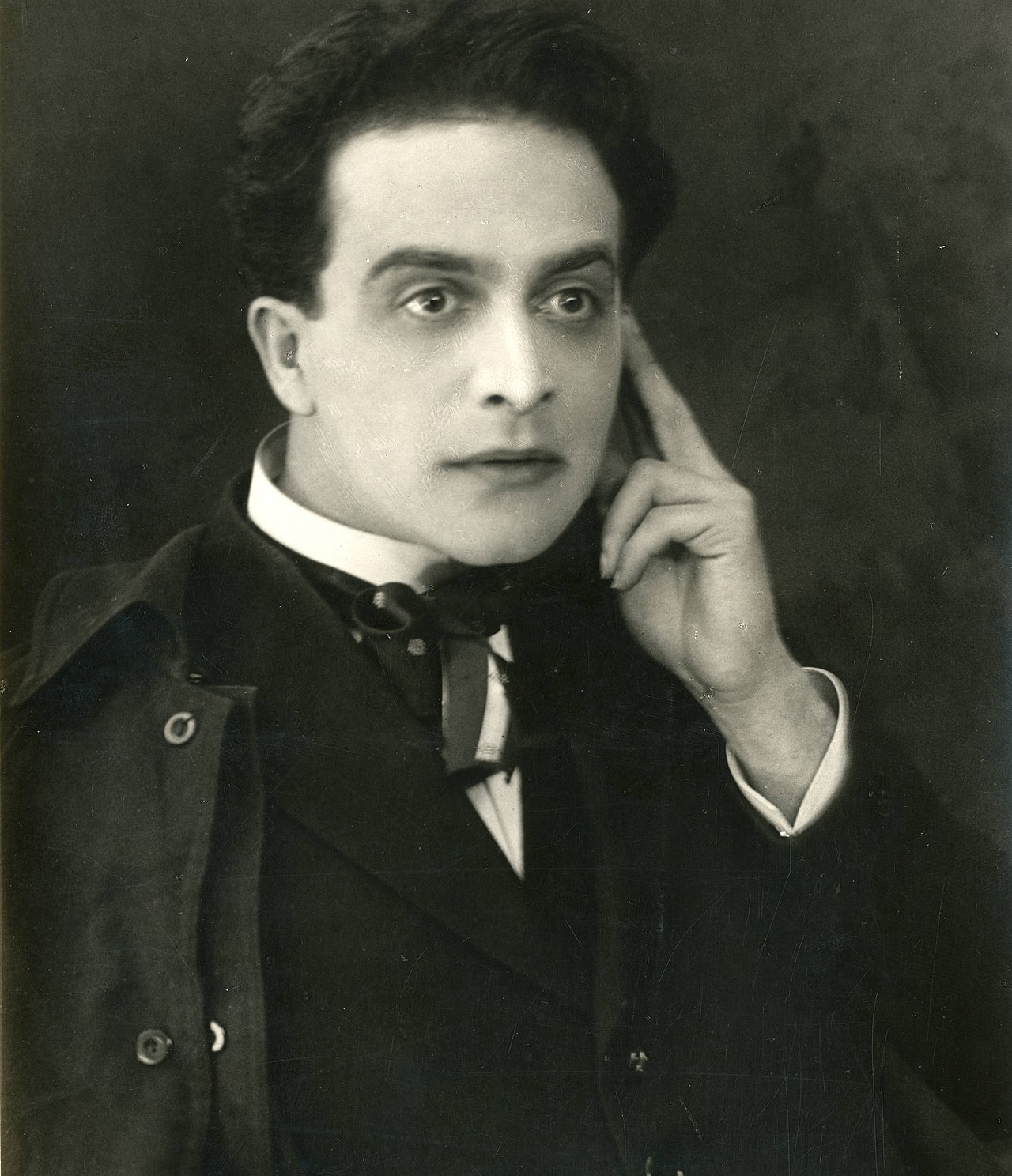
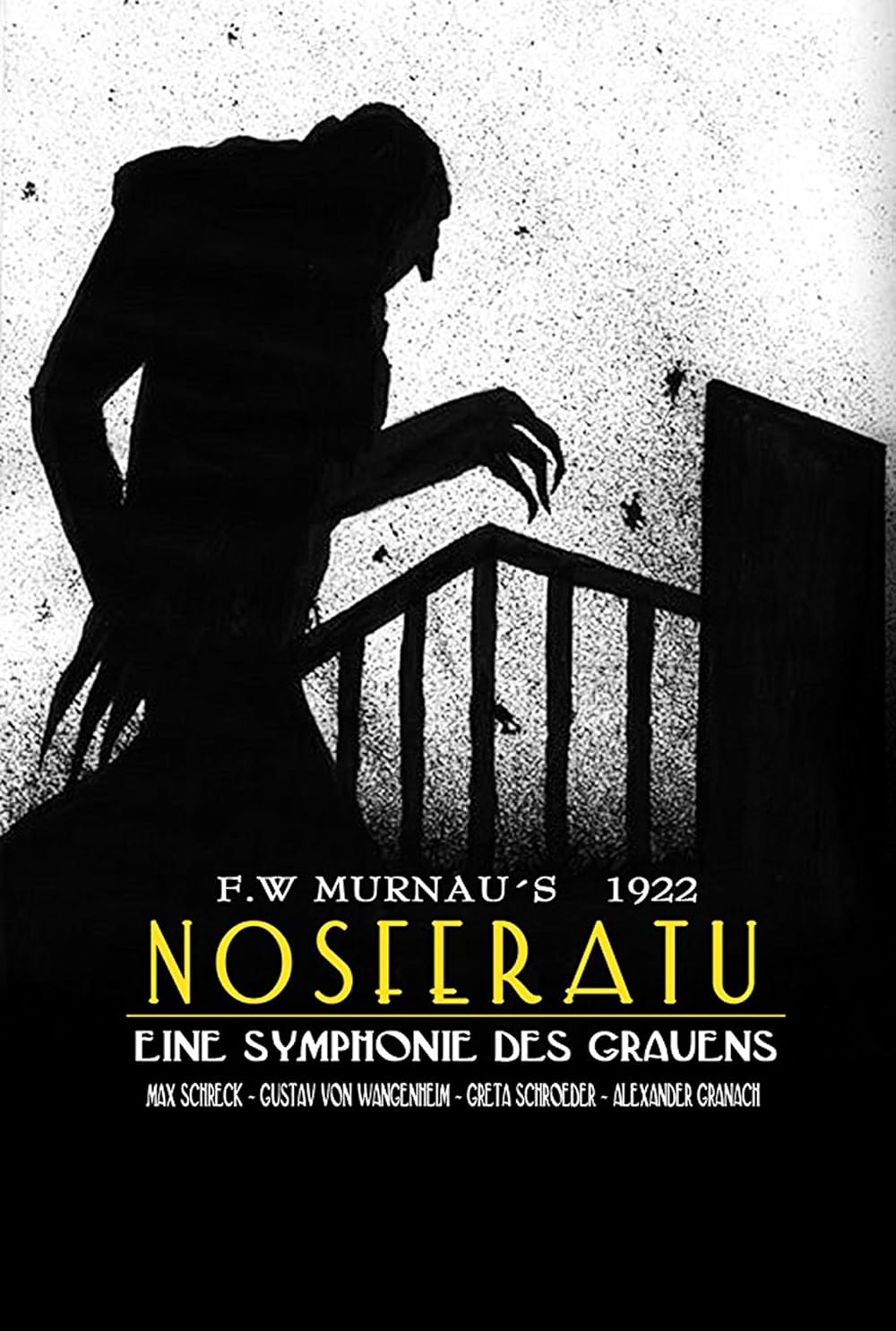
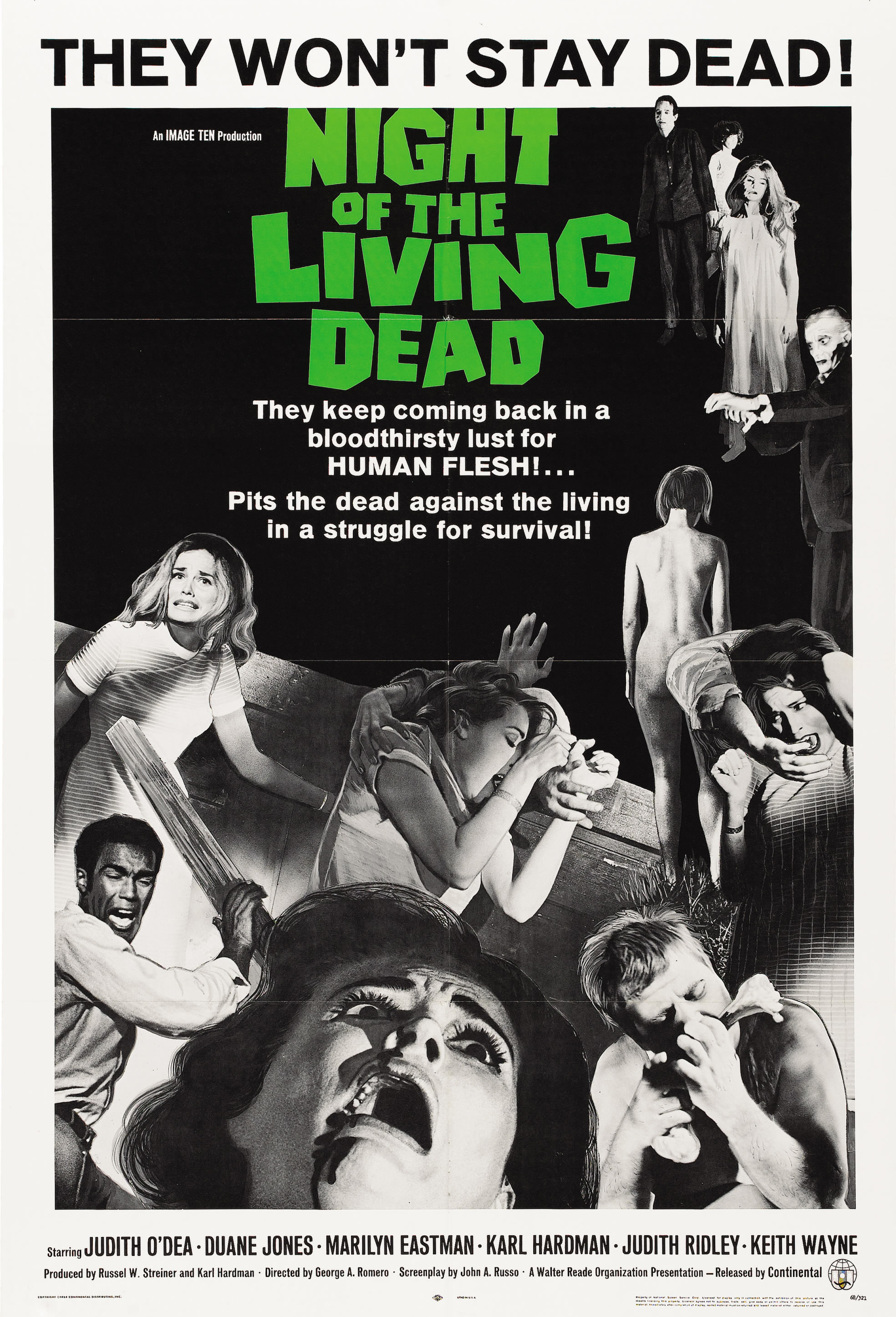
The Cabinet of Dr. Caligari (1920) is one of the most significant and influential films in the history of cinema, not only for its contribution to the horror genre but also for its role in the development of German Expressionist cinema. Directed by Robert Wiene and written by Hans Janowitz and Carl Mayer, the film is a striking example of early cinema that utilized visual style, narrative innovation, and thematic depth in ways that had never been seen before. It tells the story of Dr. Caligari, an insane hypnotist who uses a somnambulist, Cesare (Conrad Veidt), to commit murders under his command. The film’s psychological tension, combined with its pioneering visual design, would lay the groundwork for future horror films and continue to influence cinema for decades. Not just a horror film, The Cabinet of Dr. Caligari is a work of art that uses a distorted and exaggerated visual style to convey its themes of madness, authority, and the fragility of human perception. It is considered a milestone in German cinema and has had a lasting impact on both horror and arthouse filmmaking. The Art of Expressionism: A Dark and Distorted Visual World One of the most striking features of The Cabinet of Dr. Caligari is its radical visual style. The film is the quintessential example of German Expressionism, a movement that sought to represent subjective experiences, emotions, and psychological states through distorted and exaggerated visual elements. The set designs, crafted by Hermann Warm, Walter Reimann, and Walter Röhrig, are an integral part of the film’s unnerving atmosphere. The structures and landscapes in the film are deliberately warped, with sharp-pointed forms, oblique and curving lines, and buildings that lean and twist at odd angles. Shadows and streaks of light are painted directly onto the sets, creating an otherworldly environment that amplifies the sense of unease and instability. These stylistic choices were not just for aesthetic effect; they served to enhance the psychological themes of the film. The surreal and distorted visual style mirrors the fractured mental states of the characters and helps to convey the subjective nature of reality that runs throughout the narrative. The world of The Cabinet of Dr. Caligari is one where perception is unreliable, and the boundary between insanity and sanity becomes increasingly blurred. Thematic Exploration: Authority, Madness, and the Duality of Human Nature The film’s plot, centered around Dr. Caligari’s control over Cesare, reflects a deeper social commentary on authority and submission. Dr. Caligari is a tyrant who manipulates Cesare, much like the way individuals and societies can be manipulated by authority figures. Scholars have argued that the film is a reflection of Germany’s post-World War I psyche, symbolizing a subconscious desire for a tyrant figure and highlighting the nation’s obedience to authority. Some have even interpreted Dr. Caligari as a symbol of the German war government, with Cesare representing the common man—brainwashed and conditioned, like soldiers, to kill. The duality of human nature is also a central theme, with the film delving into the contrast between sanity and madness. The characters of Caligari and Cesare represent the extremes of control and submission, while the film itself suggests that the line between sanity and insanity is not as clear-cut as one might think. The subjective perception of reality is a major theme in the film, as the story is told through the unreliable perspective of Francis (played by Friedrich Feher), whose recollections become increasingly questionable as the narrative unfolds. The film’s frame story, with its prologue and epilogue combined with a twist ending, further enhances the theme of unreliable perception. This narrative device, while initially resisted by the writers, allows the film to explore the fluidity of reality and the way in which memories and experiences can be distorted by the mind. The twist ending, in particular, serves to undermine the audience’s trust in the narrative, making them question the veracity of the entire story. A Revolutionary Film: Influence on Horror and Film Noir Upon its release, The Cabinet of Dr. Caligari made a lasting impact on cinema, both in Germany and abroad. While accounts of its financial success are mixed, the film received wide critical acclaim and is regarded as a revolutionary work of cinema. It was one of the first films to fully embrace Expressionist techniques, and its influence can be seen in the work of later filmmakers, particularly in the genres of horror and film noir. Critic Roger Ebert called it “arguably the first true horror film,” highlighting its lasting legacy in the genre. Its exploration of madness, control, and distorted reality would go on to shape many of the horror films that followed. The film’s visual style and emphasis on atmosphere over traditional narrative logic also had a significant impact on film noir, particularly in its use of shadows, angular framing, and psychological tension. In 1996, The Cabinet of Dr. Caligari was selected for preservation in the United States National Film Registry, recognizing it as a work of significant cultural, historical, and aesthetic importance. The film was also ranked number 12 on the prestigious 1958 Brussels 12 list at the World Expo, further cementing its status as a landmark in cinematic history. Legacy and Enduring Influence Today, The Cabinet of Dr. Caligari is widely regarded as one of the greatest silent films ever made, and its influence extends beyond just the horror genre. It is a key film in the development of German Expressionism, a movement that had a profound effect on the visual language of cinema. The film’s use of distorted sets, stylized lighting, and psychological themes laid the groundwork for future avant-garde and experimental films, as well as for horror and thriller genres. The film has also inspired countless adaptations, homages, and references in popular culture. Its iconic imagery, including the menacing figure of Dr. Caligari and the hypnotized Cesare, has become synonymous with the unsettling atmosphere of early horror cinema. Conclusion: A Timeless Horror Classic The Cabinet of Dr. Caligari (1920) is a defining work of early horror cinema and a quintessential example of German Expressionism. Its groundbreaking visual style, thematic depth, and influence on the horror genre ensure that it remains a cornerstone of film history. With its unsettling atmosphere, complex narrative, and profound social commentary, it is a film that continues to captivate audiences and inspire filmmakers to this day. For cinephiles, horror fans, and those interested in the history of film, The Cabinet of Dr. Caligari is a must-see. It is a masterpiece that not only changed the course of horror cinema but also reshaped the way films could tell stories and express emotions through visual means.