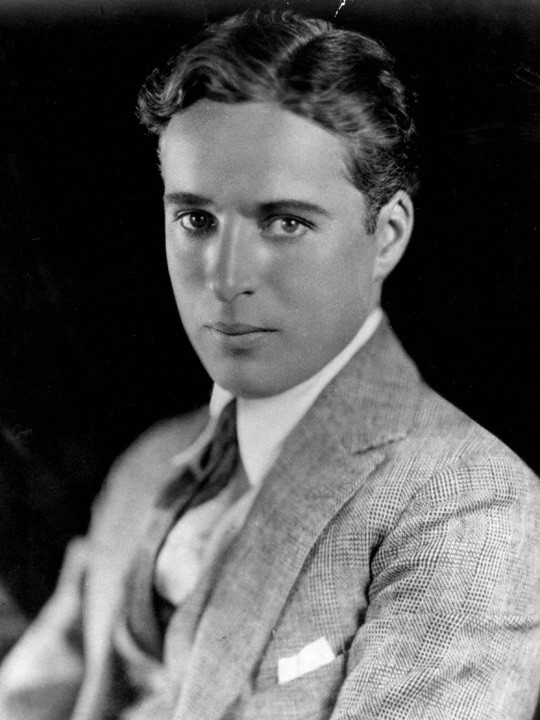
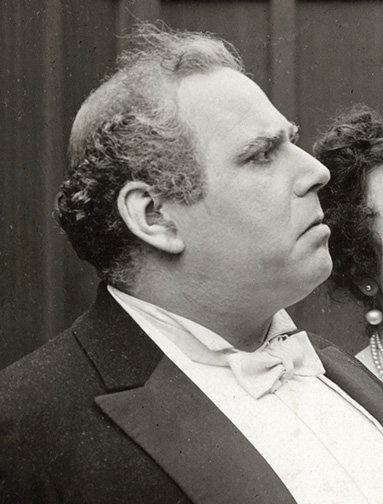
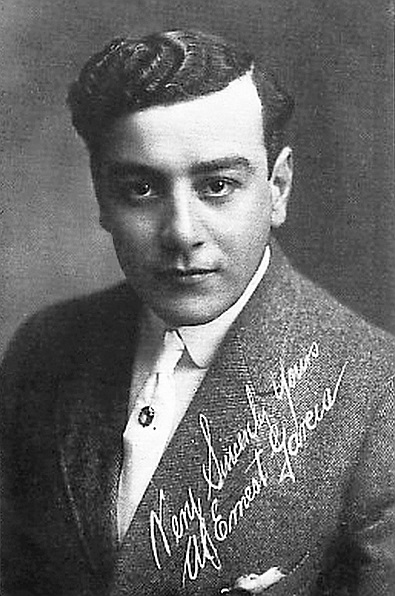
The Circus (1928) is a poignant and hilarious silent romantic comedy written, produced, and directed by Charlie Chaplin. As one of Chaplin’s most beloved works, the film features his iconic character, the Little Tramp, in a setting that contrasts the absurdity of circus life with the timeless charm of Chaplin’s physical comedy and emotional depth. The plot centers on Chaplin’s character being hired as a clown in an impoverished circus, where his unintentional slapstick humor makes him a star—despite his earnest attempts to be taken seriously. Despite the many obstacles Chaplin faced during production, including personal and professional challenges, The Circus became one of the highest-grossing silent films of its time, grossing over $3.8 million in 1928. Chaplin’s dedication to his craft and his ability to blend comedy with pathos ensured that The Circus would go down in history as a timeless classic of silent cinema. A Story of Unintentional Comedy and Love At the heart of The Circus is Chaplin’s character, the Little Tramp, who inadvertently becomes the star of a rundown circus. Hired by the ringmaster (Al Ernest Garcia) as a clown, the Tramp’s slapstick antics bring laughter to the audience, but only because of the accidents he causes. His attempts to perform intentionally funny tricks are disastrous, but his innate clumsiness and endearing nature make him irresistible to the audience. As the story progresses, the Tramp falls in love with the beautiful young dancer, played by Merna Kennedy, but he is unaware that she has feelings for him too. Their relationship unfolds amid the circus backdrop, where the Tramp’s comic misadventures and unintentional heroism bring him closer to her, even as he continues to wrestle with his status as an outsider. The film explores themes of love, loneliness, and the pursuit of happiness, all while maintaining Chaplin’s signature blend of humor and heart. A Production Marked by Hardship and Delays The making of The Circus was one of the most challenging experiences of Charlie Chaplin’s career. The production was fraught with difficulties, including a fire at the studio that destroyed many sets, the death of Chaplin’s mother during filming, and his highly publicized and painful divorce from his second wife, Lita Grey. Additionally, Chaplin faced financial troubles, including a dispute with the IRS over back taxes, all of which led to production delays and an eight-month hiatus. Despite these personal and professional setbacks, Chaplin’s determination to complete the film resulted in one of his most well-executed works. The obstacles Chaplin faced, however, are reflected in the film’s underlying themes of struggle, resilience, and finding humor in the face of adversity. Chaplin’s Mastery of Slapstick and Emotional Depth As with many of Chaplin’s films, The Circus expertly blends slapstick humor with emotional resonance. Chaplin’s ability to combine physical comedy with poignant moments of personal reflection is evident throughout the film. The Tramp’s clumsy antics, whether he is trying to juggle, ride a horse, or simply navigate the circus tent, are executed with precision and timing, showcasing Chaplin’s unrivaled skill as a physical comedian. What sets The Circus apart is the film’s emotional depth, especially in the scenes that deal with the Tramp’s unrequited love for the dancer. While the film is filled with absurd gags, it also addresses feelings of loneliness and longing, giving the character of the Tramp a vulnerability that audiences can connect with. The tension between the Tramp’s comedic persona and his quiet yearning for companionship adds a layer of complexity to the film, making it both funny and touching. A Financial Success and Critical Acclaim Despite the numerous challenges during its production, The Circus proved to be a commercial success. It became the seventh-highest-grossing silent film in cinema history, grossing more than $3.8 million in 1928, a significant achievement at the time. The film’s box office success demonstrated Chaplin’s enduring popularity, even as the silent era was nearing its end. Critically, The Circus was praised for its inventive gags, its fluid combination of comedy and emotion, and its masterful direction. Chaplin’s performance as the Little Tramp was lauded, as it captured both his comedic brilliance and his ability to evoke sympathy and empathy from the audience. The film cemented Chaplin’s legacy as one of the greatest filmmakers of the silent era, capable of using physical comedy to tell stories that transcended language and cultural barriers. Legacy and Recognition The Circus has endured as one of Chaplin’s most celebrated films, and its legacy continues to grow. In 1991, the film was selected for preservation in the United States National Film Registry by the Library of Congress for being "culturally, historically, or aesthetically significant." This recognition ensured that The Circus would remain an integral part of the cinematic canon and continue to be enjoyed by future generations of film lovers. In 2024, the film entered the public domain due to the expiration of its copyright, making it widely accessible for audiences to enjoy. The Circus is often cited as one of Chaplin’s finest works, with critics and cinephiles praising its emotional complexity, visual innovation, and timeless humor. Conclusion: A Timeless Silent Film Classic The Circus (1928) is a testament to Charlie Chaplin’s brilliance as a filmmaker, comedian, and storyteller. Despite the personal and professional challenges that plagued its production, the film stands as one of Chaplin’s most accomplished works. Its blend of physical comedy, emotional depth, and universal themes of love and struggle make it a timeless classic that continues to resonate with audiences around the world. For fans of silent cinema, slapstick comedy, or anyone interested in the legacy of Charlie Chaplin, The Circus is a must-see. Its combination of humor, heart, and innovation ensures that it remains an essential part of film history and a shining example of the power of silent film to tell stories that transcend time and language.