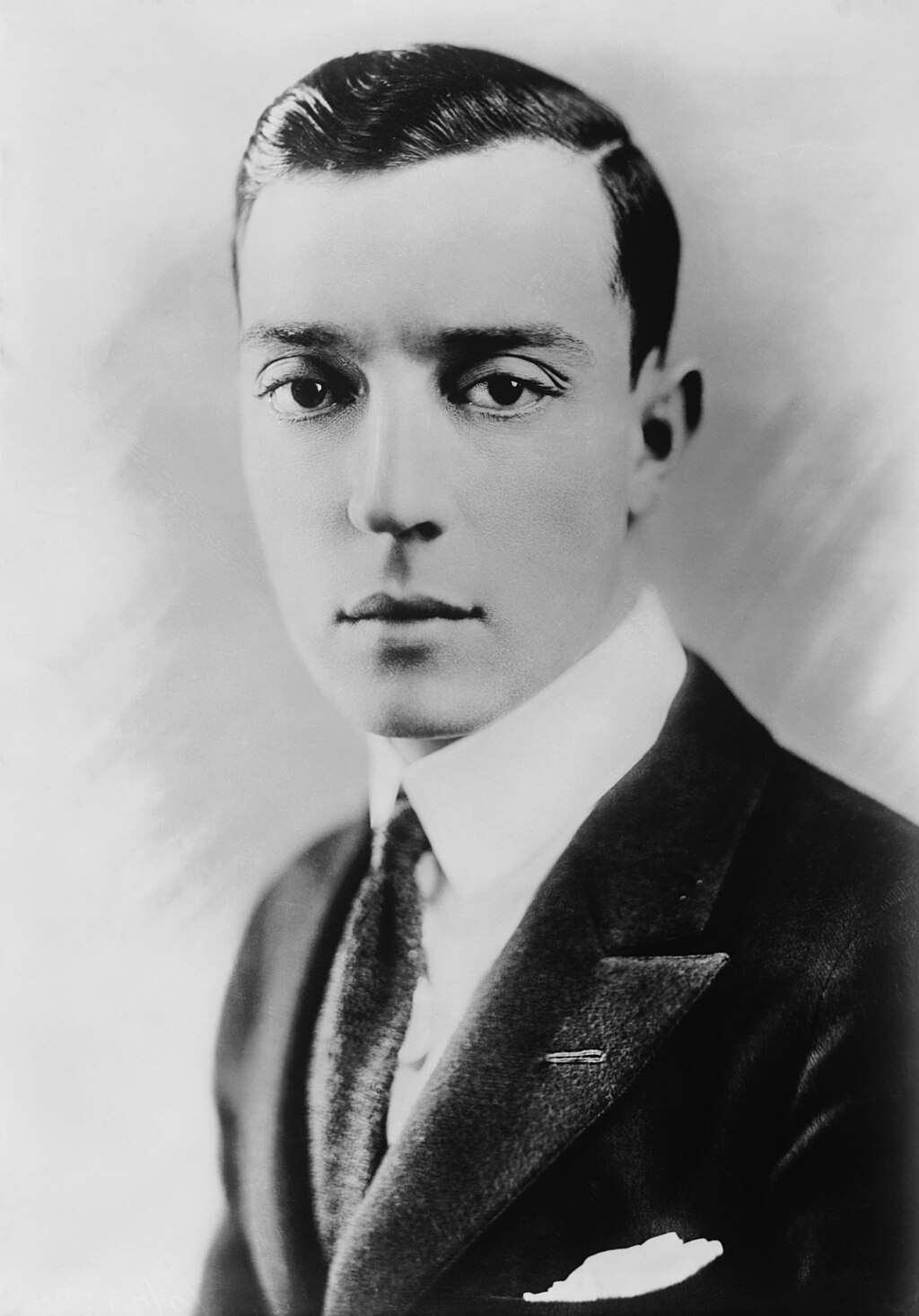
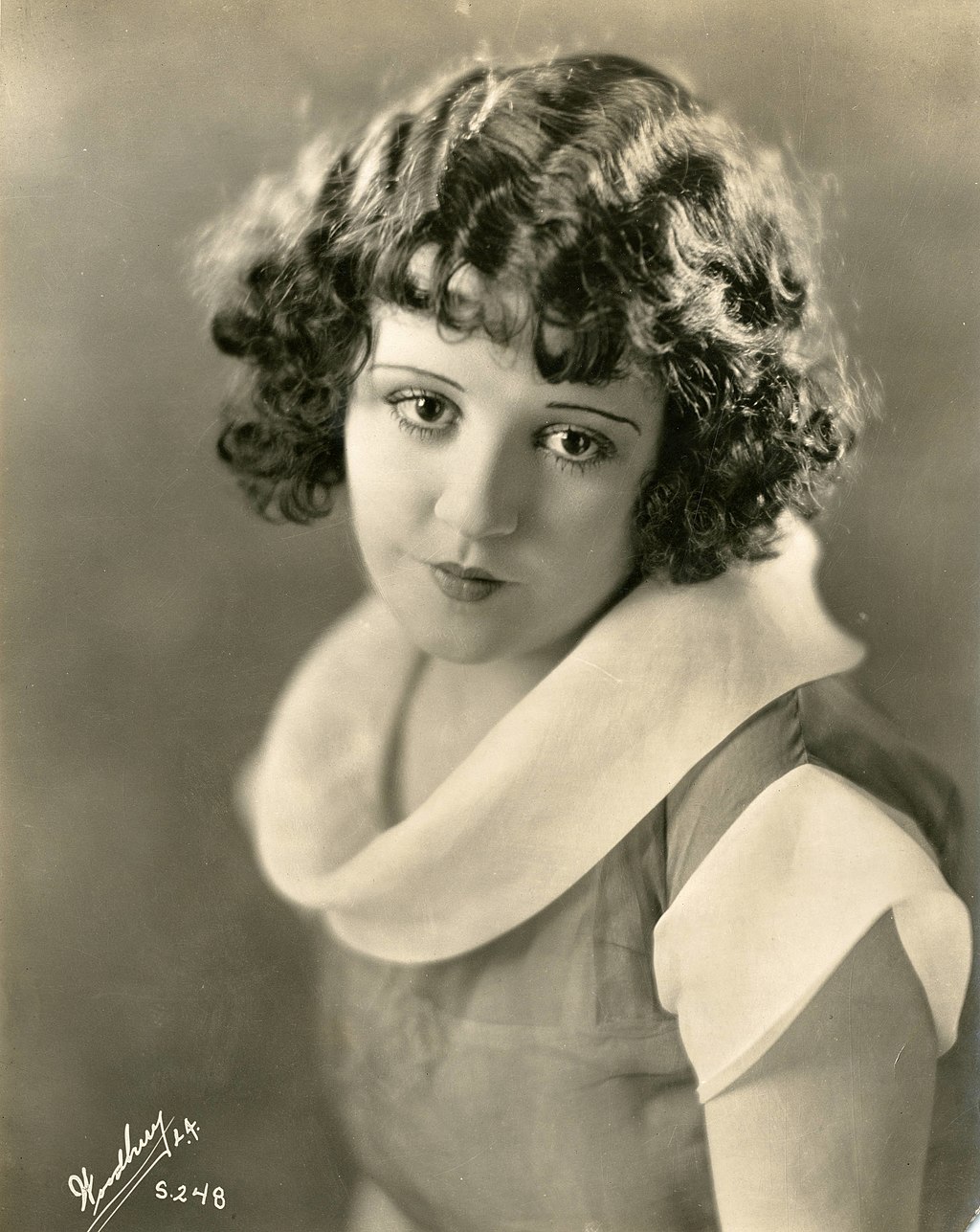
The General (1926), directed by Buster Keaton and Clyde Bruckman, is widely regarded as one of the greatest silent films ever made. Inspired by the true events of the Great Locomotive Chase during the American Civil War, the film follows a railway engineer, played by Keaton, who embarks on a thrilling and hilarious adventure to rescue his beloved locomotive, The General, which has been stolen by Union spies. Known for its breathtaking stunts, impeccable timing, and masterful physical comedy, The General showcases Buster Keaton at the peak of his artistic and physical prowess. Though The General initially received a lukewarm reception upon release, with critics and audiences failing to fully appreciate its brilliance at the time, the film’s reputation has grown over the years. It is now considered one of the finest examples of silent cinema and is celebrated for its innovative storytelling, exceptional visual comedy, and Keaton’s remarkable ability to combine action with humor. A True Story with a Comedic Twist The General is based on the real-life Great Locomotive Chase, an event during the Civil War in which a group of Union soldiers stole a Confederate train in an attempt to disrupt Southern supply lines. Buster Keaton plays Johnnie Gray, a Southern railway engineer who is desperate to prove his bravery when his beloved locomotive is hijacked by Union spies. In a series of daring, comedic, and increasingly ridiculous stunts, Johnnie pursues the thieves across Georgia, determined to reclaim his train and rescue the woman he loves, played by Marion Mack. What makes The General stand out from other action comedies of its time is the way it fuses thrilling chase sequences with Keaton’s signature deadpan physical comedy. The film takes full advantage of the action-oriented premise, offering spectacular train chases, daring stunts, and explosive moments—while also maintaining the humor and absurdity that defined Keaton’s best work. His character’s determination, despite the seemingly insurmountable odds and constant misfortune, provides both comedy and emotional depth, allowing The General to blend excitement with heartfelt moments. Keaton’s Mastery of Physical Comedy and Stunt Work As both the lead actor and co-director, Buster Keaton delivered a performance that is still considered one of the most remarkable in silent cinema. Known for performing his own stunts, Keaton took on a particularly dangerous level of risk for The General, including performing his own train-related stunts, some of which were incredibly hazardous. One of the film’s most iconic scenes involves Keaton’s character, Johnnie, trying to retrieve his train while it’s moving, a feat that required Keaton to operate multiple complex technical elements. In another jaw-dropping stunt, Keaton stands on top of a moving train, balancing precariously as it crosses a bridge, showing the actor’s unparalleled commitment to physical performance. The film’s action sequences were groundbreaking for their time, and Keaton’s innovative use of practical effects and physical humor set a new standard for both action and comedy. Keaton’s ability to blend slapstick with action is unparalleled in The General, with the film’s humor deriving not just from the dialogue (which is minimal in silent films) but from the sheer spectacle of the gags and stunts. His timing and expressionless demeanor in the face of danger remain some of the most admired aspects of his work. Challenges and Initial Reception Despite its immense technical achievements and Keaton’s remarkable performance, The General did not achieve immediate success at the box office. The film had a large budget—$750,000, a significant sum for its time—and it failed to recoup the costs, making only about half a million dollars in domestic earnings. The film’s comedic style, which mixed slapstick with more subtle humor, did not resonate with all audiences, and the scale of the production was seen as a financial gamble by the studio. This failure marked a turning point in Keaton’s career, as he lost the creative independence he had enjoyed in his previous films. The experience led him to enter into a restrictive contract with Metro-Goldwyn-Mayer (MGM), which would have lasting repercussions on his artistic freedom and career. Keaton later referred to his time at MGM as "the worst mistake of my career," as the studio imposed more control over his films, limiting his ability to create the type of films that made him a star. A Restoration of Reputation and Lasting Influence Though The General was not a commercial success upon release, its reputation grew significantly in the years that followed. In the 1950s, the film gained a renewed following, particularly through television broadcasts, and it was soon hailed as a masterpiece of silent cinema. Film critics and historians began to recognize the brilliance of the film’s direction, cinematography, and performances, and it was gradually regarded as one of the greatest films ever made. In 1989, The General was selected by the Library of Congress for preservation in the National Film Registry for being "culturally, historically, or aesthetically significant." This honor cemented its place in film history and ensured that future generations would appreciate its contributions to the world of cinema. In 1954, the film entered the public domain in the United States due to a failure to renew its copyright, allowing it to be widely accessible to audiences. Legacy and Influence on Modern Filmmakers The General has left an indelible mark on filmmakers and audiences alike. Its combination of thrilling action, physical comedy, and inventive visual storytelling has influenced generations of filmmakers, particularly in the realm of action-comedy and silent film. Modern filmmakers such as Peter Jackson (in his Lord of the Rings trilogy) and Quentin Tarantino (in his dynamic use of physical stunts and comedy) have cited Keaton’s work, particularly The General, as a major influence on their own films. The film’s masterful blend of suspense, action, and comedy continues to resonate with audiences. It remains a favorite of classic film enthusiasts and is often cited as one of the best examples of silent film comedy, with Keaton’s unparalleled physical comedy and the film’s ingenious stunt work at the forefront. Conclusion: A Silent Film Masterpiece The General (1926) is widely regarded as Buster Keaton’s greatest achievement, a timeless masterpiece that has continued to inspire filmmakers and audiences for nearly a century. Through its groundbreaking stunts, riveting action sequences, and Keaton’s unmatched physical comedy, the film represents the pinnacle of silent cinema. Despite its rocky initial reception, The General is now celebrated as one of the greatest films ever made, and its influence on both comedy and action films is immeasurable. For anyone interested in the history of cinema, The General is a must-watch, showcasing the genius of Buster Keaton and his innovative approach to storytelling through visual comedy and daring stunts. It is a landmark film that will continue to captivate viewers for generations to come.
_-_9-67db08c400e5e.jpg)