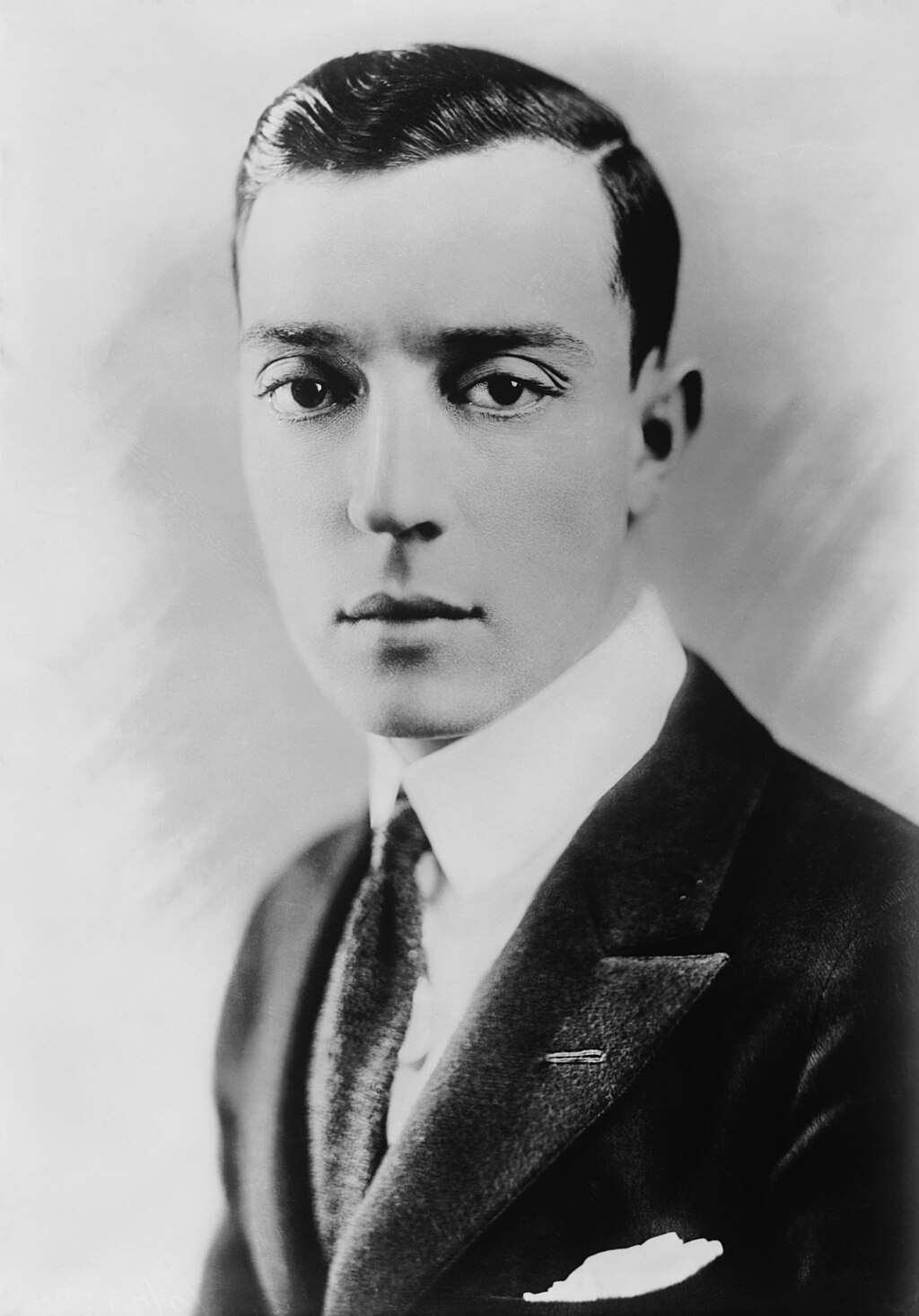
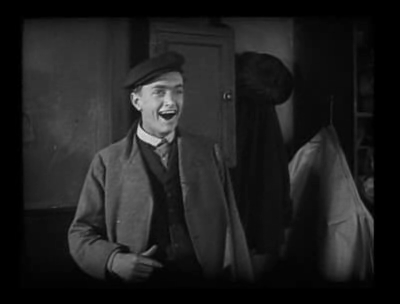
The Cameraman (1928) is one of Buster Keaton’s finest works, blending his unparalleled physical comedy with heartfelt storytelling in a way that remains one of the pinnacles of silent cinema. Directed by Edward Sedgwick, with significant uncredited contributions from Keaton himself, the film marks Keaton’s first project under contract with Metro-Goldwyn-Mayer (MGM). Despite the challenges Keaton faced at MGM—where his creative freedom was stifled and his career took a downward turn after this film—The Cameraman stands as one of his best and most enduring achievements. In The Cameraman, Keaton plays a clumsy yet endearing man who dreams of becoming a cameraman for a newsreel company. In his pursuit of this goal, he falls for a beautiful woman (Marceline Day) who works for the company, leading to a series of misadventures that showcase Keaton’s physical comedy genius. As one of Keaton's last films where he maintained significant creative control, The Cameraman captures the essence of his comedic artistry and showcases his ability to blend slapstick with emotional depth. A Story of Love and Ambition The plot of The Cameraman centers on Buster Keaton’s character, who is determined to impress the woman he loves, played by Marceline Day. He decides to pursue a career as a cameraman for a newsreel company, but his journey is filled with comic mishaps and embarrassing moments. In true Keaton fashion, the humor is derived from his character’s resilience in the face of failure and his relentless pursuit of his goals. While the film’s plot is rooted in romantic comedy, it also has a deeper layer about ambition, self-improvement, and the lengths one is willing to go to in order to succeed and gain the affection of a loved one. Keaton’s character is not just a bumbling fool, but someone who shows tremendous heart and determination, qualities that make his ultimate success both satisfying and poignant. His physical comedy in the film’s many gags, from interacting with the camera equipment to attempting stunts, is flawlessly executed, ensuring that the audience remains captivated throughout. Keaton’s Physical Comedy Mastery Buster Keaton’s genius as a physical comedian is on full display in The Cameraman. From the moment he sets foot on the screen, his impeccable timing and commitment to performing his own stunts are evident. In one iconic scene, Keaton’s character is shown trying to navigate the complicated machinery of a newsreel camera, leading to a series of hilarious misunderstandings and physical gags that are as much a testament to Keaton’s skill as they are to his creativity. The visual gags in the film range from the absurd to the heartwarming, and Keaton’s precision in executing each set piece—whether it’s a chase or a complicated physical sequence—shows just how much he shaped the art of silent film comedy. The combination of his deadpan expression and daring physicality ensures that the audience remains both amused and emotionally invested in his character’s journey. Keaton’s Challenges at MGM While The Cameraman was a triumph in many ways, it also marked the beginning of Keaton’s struggles at MGM. After completing the film, Keaton found himself in an increasingly difficult position at the studio. MGM’s studio head, Louis B. Mayer, insisted on taking control of Keaton’s creative process, stripping him of the independence that had made his earlier films so successful. Keaton later referred to his move to MGM as "the worst mistake of my career," as the lack of creative freedom severely impacted his career and artistic output. Despite the challenges Keaton faced at MGM, The Cameraman stands as a testament to his creative genius and remains one of his most beloved films. It is regarded by fans and critics alike as one of Keaton’s best works, demonstrating his ability to maintain his comedic brilliance even under the constraints of a large studio system. Legacy and Cultural Significance In 2005, The Cameraman was added to the United States National Film Registry as being "culturally, historically, or aesthetically significant," solidifying its place as one of the most important films of the silent era. The film’s combination of physical comedy, romance, and innovative filmmaking techniques ensures that it remains a classic example of silent cinema at its peak. The film’s influence extends beyond its time, inspiring generations of filmmakers and comedians who have looked to Keaton’s mastery of physical comedy as a model for their own work. Its timeless appeal continues to resonate with audiences, making it a must-watch for anyone interested in the history of film and the art of comedy. Conclusion: A Timeless Keaton Masterpiece The Cameraman (1928) remains one of Buster Keaton’s finest films, showcasing his incredible talent as a physical comedian while also touching on themes of ambition, love, and perseverance. Despite the difficulties Keaton faced during his time at MGM, this film stands as a shining example of his creative genius. From its fast-paced gags to its heartfelt romance, The Cameraman continues to captivate audiences with its blend of slapstick humor and emotional depth. For fans of classic cinema, Buster Keaton, or silent film comedy, The Cameraman is an essential viewing experience. It is a testament to Keaton’s lasting influence on the world of comedy and an enduring classic in the history of film.