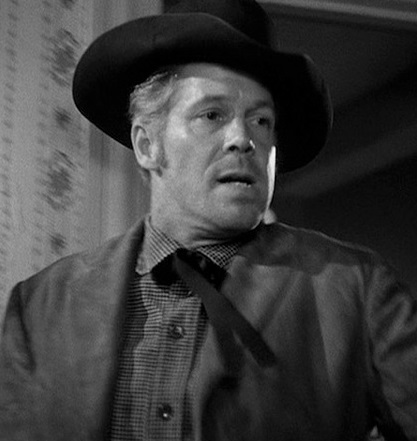
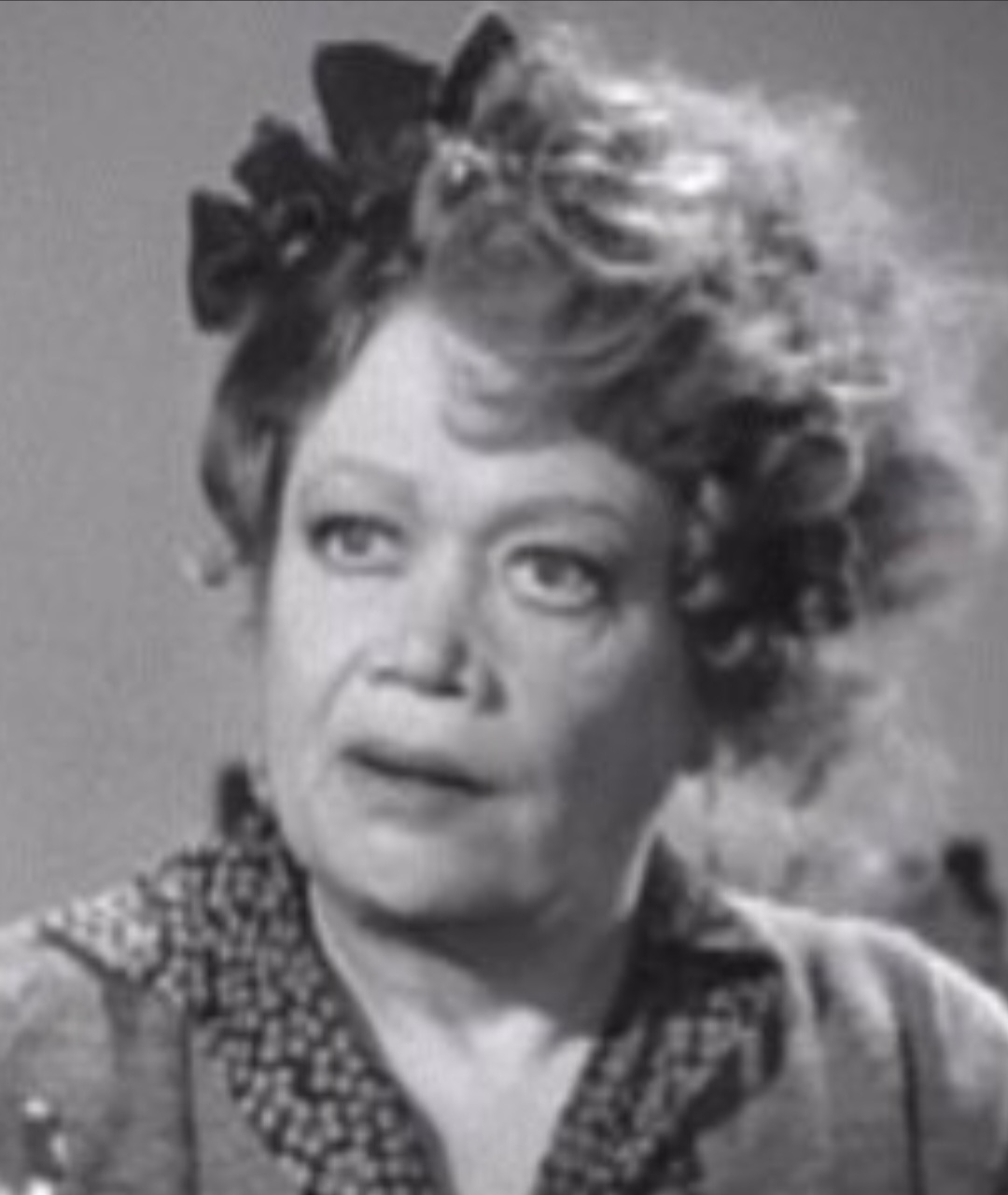
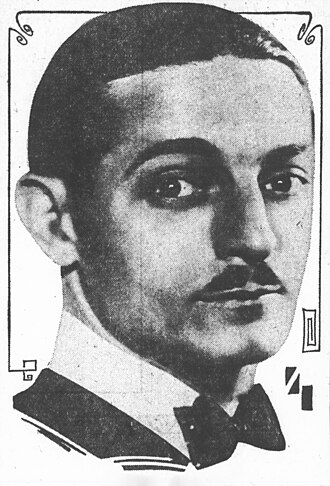
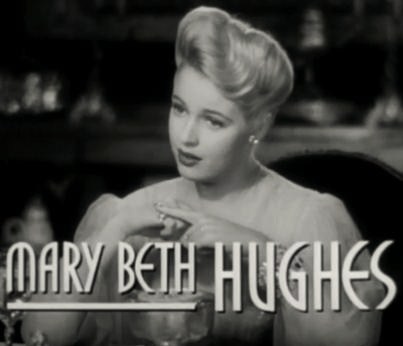
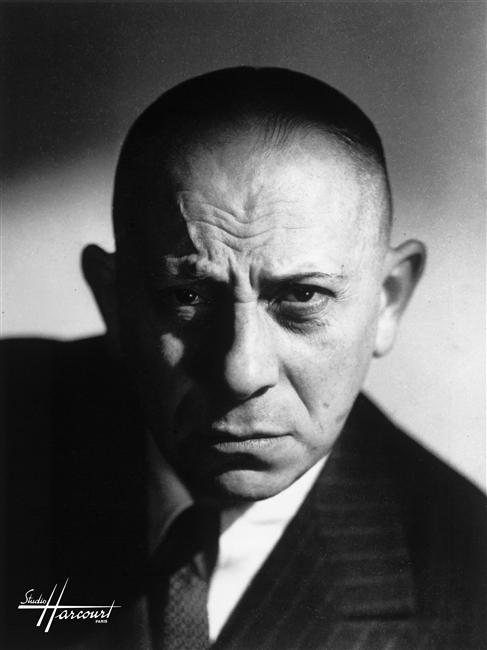
A Noir Mystery with a Theatrical Setting The Great Flamarion (1945) is a distinctive entry in the canon of American film noir, directed by Anthony Mann and produced by Republic Pictures. The movie stars the legendary Erich von Stroheim alongside Mary Beth Hughes, bringing together powerful screen personalities in a drama that unfolds with intensity and intrigue. As with many films noirs of the 1940s, the story is told through flashback, a stylistic choice that enhances both suspense and fatalism. By revealing events in retrospect, the audience is drawn into a world where destiny feels inevitable and personal choices spiral into tragedy. The carnival and vaudeville backdrop provides a fresh setting for noir storytelling, with the stage and spotlight offering both glamour and deception. Characters, Performances, and Style Von Stroheim delivers a commanding performance as Flamarion, a marksman whose rigid demeanor and cold professionalism mask deep vulnerabilities. Known for his earlier roles in silent cinema and his reputation as a perfectionist filmmaker, Stroheim brings gravitas and a sense of menace to the character. Mary Beth Hughes plays opposite him with equal conviction, embodying the archetypal femme fatale whose charm and duplicity drive the narrative forward. The chemistry between the two performers highlights themes of manipulation, obsession, and betrayal — all hallmarks of classic noir. Anthony Mann, who would later become celebrated for his westerns and collaborations with James Stewart, uses The Great Flamarion to showcase his emerging directorial skill. His attention to shadow, framing, and psychological tension foreshadows the precision and intensity that would define his later career. Though produced by Republic Pictures, a studio more often associated with serials and B-movies, the film demonstrates an ambition and visual sophistication that transcends its modest budget. Legacy and Public Domain Status Beyond its entertainment value, The Great Flamarion occupies an interesting place in film history. Its narrative structure, morally ambiguous characters, and fatalistic atmosphere align it firmly with the film noir tradition that thrived during the 1940s. Today, the film is particularly notable because it has entered the public domain, making it accessible to new audiences, scholars, and enthusiasts of classic cinema. The availability of the movie allows for continued appreciation of Stroheim’s performance and Mann’s directorial craft, ensuring that the film remains part of the cultural conversation around noir. For viewers exploring the evolution of Anthony Mann’s career or those interested in the darker, more psychological corners of mid-century American cinema, The Great Flamarion offers both historical significance and cinematic pleasure. It is a testament to the enduring power of noir storytelling — a tale of passion, deceit, and downfall, framed by the stark aesthetics and moral complexity that define the genre.

_poster_off-67db2e4aeea32.jpg)