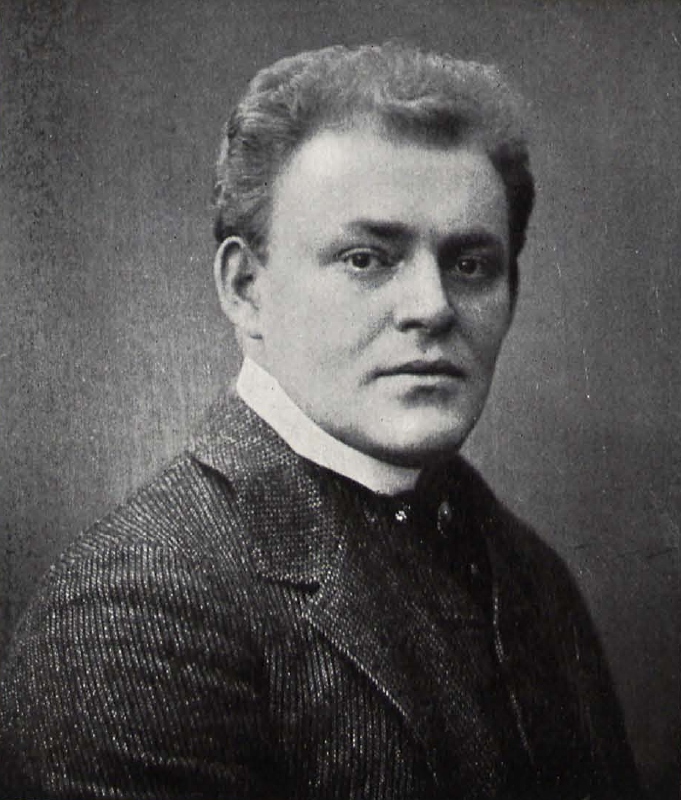
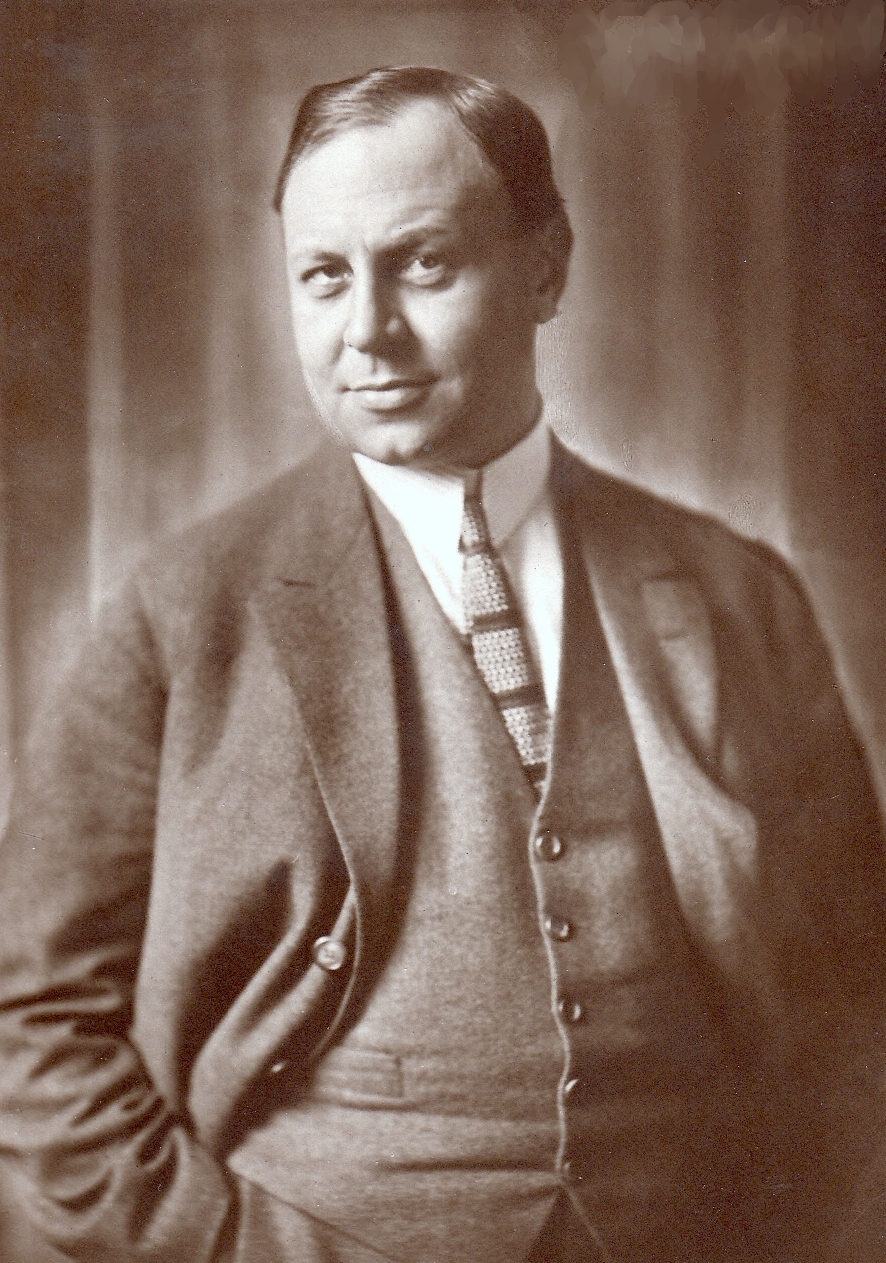
The Last Laugh (German: Der letzte Mann, translated as The Last Man) is a 1924 German silent film directed by the legendary F.W. Murnau, widely regarded as one of the most important films of the silent era. Known for its innovative cinematic techniques and deeply humanistic themes, the film tells the poignant story of a nameless hotel doorman (played by Emil Jannings) who faces a dramatic fall from grace after losing his prestigious job. With its groundbreaking visual storytelling, The Last Laugh is a perfect example of the Kammerspielfilm genre, or "chamber drama," which places emphasis on psychology and character development rather than elaborate sets or action sequences. The film stands as a critical exploration of social class, identity, and the human condition, with Murnau’s direction and Jannings’ powerful performance elevating it to a timeless classic. The Last Laugh was groundbreaking for its innovative techniques, particularly its use of visual storytelling to convey complex emotions, without relying heavily on intertitles, a hallmark of traditional silent cinema. A Powerful Story of Identity and Social Status At its heart, The Last Laugh is the story of a hotel doorman who is stripped of his identity and social status when he is demoted to a less prestigious position at the hotel. Emil Jannings plays the lead role of the unnamed doorman, a man who takes great pride in his uniform, seeing it as a symbol of his worth and respectability. When he is unceremoniously removed from his position and forced into a janitor’s role, the film follows his psychological and emotional descent as he struggles with feelings of shame, humiliation, and identity loss. Jannings’ performance is central to the film’s emotional impact. As the doorman faces the loss of his job, he begins to unravel psychologically, and Jannings perfectly captures the man’s internal turmoil, shifting from a sense of dignity to despair. The doorman's identity is entirely wrapped up in his uniform, and when it is taken away, his sense of self collapses. This exploration of identity, social status, and pride makes The Last Laugh a poignant and universal story, one that speaks to the fragility of human dignity in the face of societal pressures. Innovative Cinematic Techniques One of the most notable aspects of The Last Laugh is Murnau’s innovative use of camera techniques to convey the psychological state of the protagonist. Murnau, known for his visionary approach to film, used the camera in ways that were groundbreaking for the time. Instead of relying on traditional intertitles to explain the character’s emotions, Murnau allowed the visuals to tell the story. The camera follows the doorman in a way that mirrors his mental state, using fluid and dynamic movement to suggest the character's disorientation and loss of control. The film is also famous for its use of "subjective" camera techniques, which immerse the audience in the doorman’s perspective. For example, in one scene, the camera spins to show the doorman's disillusionment and internal collapse. This technique was radical for its time and added a layer of emotional depth to the narrative, allowing the audience to experience the doorman’s feelings of helplessness and frustration without relying on intertitles or dialogue. Murnau’s use of deep focus, lighting, and wide-angle shots also contributed to the film’s ability to express the doorman’s psychological landscape visually. These techniques, combined with the strong performances from the cast, helped to elevate the film to a level of emotional and intellectual sophistication that was uncommon in silent cinema. A Kammerspielfilm: The Focus on Psychological Drama The Last Laugh belongs to the genre of Kammerspielfilm (chamber drama), a form of filmmaking that was particularly prominent in Germany during the Weimar Republic. This genre focused on the psychology of the characters and emphasized intense emotional exploration, often avoiding the grand spectacle or action sequences typical of mainstream cinema. In The Last Laugh, the emphasis is on the internal conflict of the protagonist rather than external events. The film’s minimalist sets, focusing on the doorman’s world within the confines of the hotel, allow the character’s emotions to take center stage. Murnau’s direction and the film’s use of visual storytelling techniques highlight the psychological depth of the doorman’s experience, making it a powerful character study. The camera often lingers on Jannings’ face, allowing the audience to absorb the subtle shifts in his expression as his character spirals into despair. This focus on psychological realism is one of the film’s most striking aspects, and it helped to solidify The Last Laugh as one of the key works of early German cinema. Critical Reception and Legacy Upon its release, The Last Laugh was praised for its innovative techniques and its ability to convey complex emotions through visual means. The film’s success also helped establish F.W. Murnau as one of the most important directors of the silent era. Jannings’ performance, which won him widespread acclaim, further cemented his status as one of the great silent film actors. In 1958, The Last Laugh was ranked number 11 on the prestigious Brussels 12 list at the World Expo, a testament to its enduring importance and influence. In 1955, the film was remade starring Hans Albers, though the original version remains the definitive take on the story. In 2005, it was added to the United States National Film Registry, where it was preserved for its cultural, historical, and aesthetic significance. Conclusion: A Silent Film Masterpiece The Last Laugh is one of the most important works of silent cinema, showcasing the mastery of F.W. Murnau and the extraordinary talent of Emil Jannings. Its innovative use of visual storytelling, along with its poignant exploration of identity and social status, make it a timeless classic. The film’s ability to convey complex psychological states through innovative camera techniques and minimal dialogue ensures that it continues to captivate audiences and influence filmmakers to this day. For fans of silent cinema, expressionist films, or those interested in the history of cinema, The Last Laugh is an essential viewing experience. Its combination of emotional depth, technical innovation, and storytelling brilliance cements its place as a true cinematic masterpiece.


_poster_off-67db2e4aeea32.jpg)